

You open your medicine cabinet and find a bottle of painkillers or a prescription from two years ago. The date on the label has long since passed. Now you're faced with a dilemma: is it actually dangerous to take, or is that date just a legal safety net for the manufacturer? While the official word from regulators is often a strict "do not use," the reality of chemical stability is a bit more nuanced. Understanding whether a pill is still effective or has become a health risk depends entirely on what the drug is and where you've been storing it.
| Medication Type | Risk Level | Stability Profile | Action |
|---|---|---|---|
| Solid Tablets (e.g., Ibuprofen) | Low | High stability; slow potency loss | Generally safe, but may be less effective |
| Liquid/Drops (e.g., Eye drops) | High | Rapid bacterial growth and chemical breakdown | Discard immediately |
| Life-Critical (e.g., Insulin, EpiPens) | Critical | Rapid loss of life-saving potency | Replace immediately |
| Antibiotics (e.g., Tetracycline) | High | Potential for toxicity or treatment failure | Discard immediately |
What an Expiration Date Actually Means
First, let's clear up a common myth: an expiration date isn't usually the day a drug turns into poison. In the eyes of the FDA, an expiration date is the last day a manufacturer guarantees the drug's full potency, purity, and safety. This date is set through rigorous stability testing where drugs are exposed to heat and humidity to see how they hold up.
When a medication expires, the main issue is usually potency. The active ingredients break down, meaning the dose you think you're getting is actually lower. For a mild headache, a slightly weaker pill is an annoyance. But for someone managing a chronic heart condition or a severe allergy, a 10% or 20% drop in strength can be the difference between a stable condition and a medical emergency.
The Danger Zone: Medications You Should Never Use Past the Date
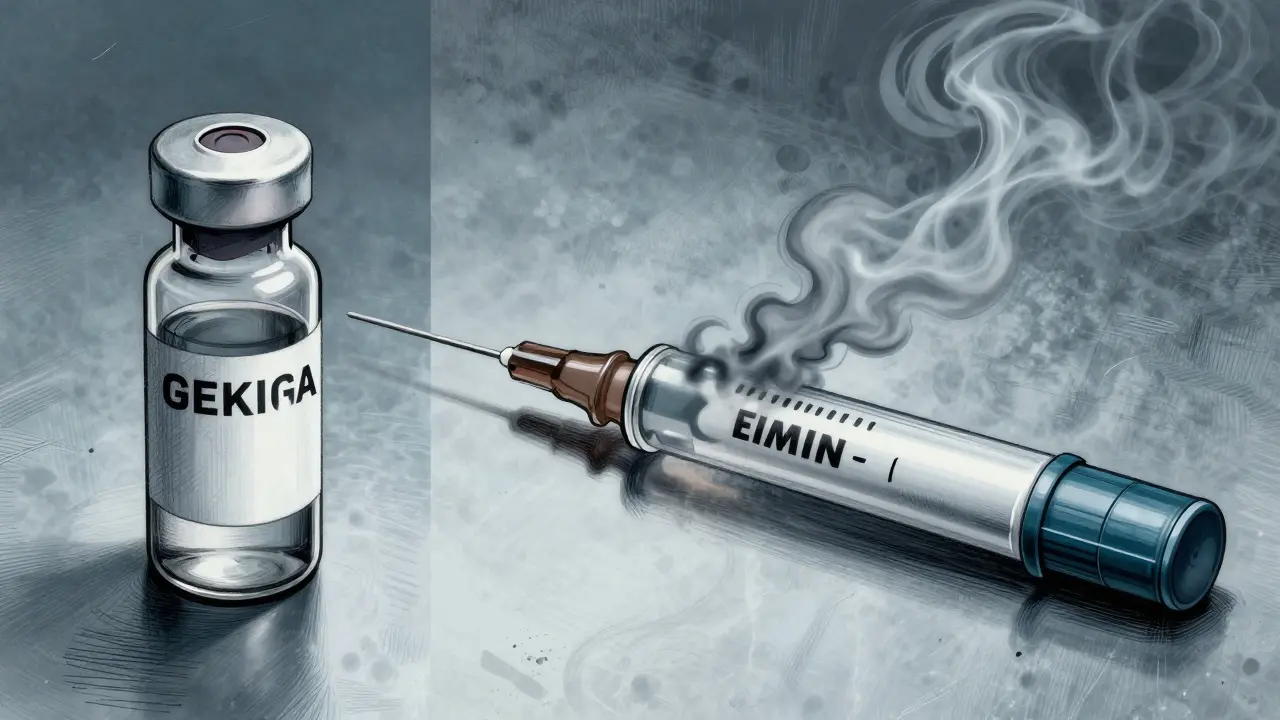
While some pills are stable, others are volatile. You should never gamble with "life-critical" medications. These are drugs where a precise dose is mandatory for survival. For instance, Insulin is a biologic that degrades rapidly; it can lose significant effectiveness within just 28 days of opening, even if kept in the fridge. Similarly, Epinephrine auto-injectors (like EpiPens) can see a 20-30% drop in potency within six months after expiration. In an anaphylactic shock scenario, those missing percentages could be fatal.
Then there are the toxic risks. Most drugs just get weaker, but a few actually become harmful. Tetracycline, an older antibiotic, is a primary example. When it degrades, it can form compounds that cause Fanconi syndrome, a serious condition leading to acute kidney failure. If you find old antibiotics, don't risk it-not only for toxicity but because sub-potent antibiotics contribute to the global rise of drug-resistant "superbugs." If the drug doesn't kill all the bacteria, the survivors learn how to fight the drug, making future infections much harder to treat.
The "Safe" Grey Area: Over-the-Counter Basics
If you're looking at a bottle of Ibuprofen or Acetaminophen, the outlook is different. Studies have shown that many solid tablets maintain a huge portion of their efficacy years after the date on the bottle. In some cases, non-liquid formulations have remained safe and effective for long periods if stored in a cool, dry place. For a minor ache or a low-grade fever, using a pill that is a few months past its date is generally considered a low risk by many clinicians.
However, this only applies to solids. Liquid medications are a completely different story. Eye drops, for example, can develop high rates of bacterial contamination shortly after the expiration date. Putting contaminated liquid directly into your eye is a recipe for a severe infection.
Why Your Bathroom Cabinet is the Worst Place for Medicine
Where you keep your meds matters almost as much as the date on the box. Many of us keep a "medicine cabinet" in the bathroom, but this is actually the worst spot. The constant swing between steamy showers and cool air creates a humidity cycle that accelerates chemical breakdown. Research indicates that meds stored in bathrooms can degrade up to 40% faster than those kept in a climate-controlled area.
To make your medications last as long as possible, follow these rules of thumb:
- Keep them in their original amber glass or plastic containers to block light.
- Store them in a cool, dry place-ideally below 77°F (25°C).
- Avoid the kitchen (near the oven) and the bathroom (near the shower).
- Keep childproof caps tightly sealed to prevent moisture from seeping in.
How to Dispose of Expired Drugs Safely
Once you've decided a medication is too old to use, don't just toss it in the bin or flush it down the toilet. Flushing can contaminate the local water supply, and leaving pills in the trash can lead to accidental ingestion by pets or children.
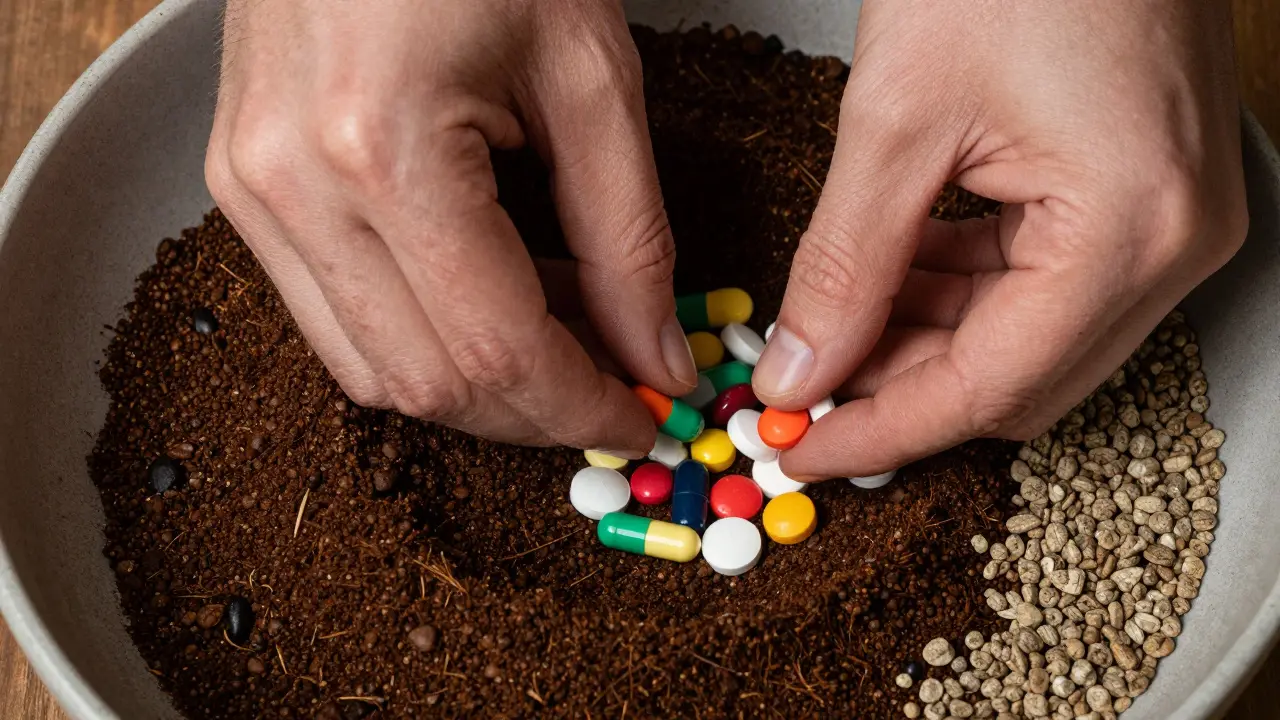
The gold standard is a registered drug take-back program. Many pharmacies and local clinics offer secure drop-off bins. If a take-back site isn't available, the FDA suggests a specific home method: mix the meds (do not crush them) with something unappealing, like used coffee grounds or kitty litter. Put this mixture in a sealed bag or container and throw it in the trash. This makes the drugs less attractive to animals and harder for anyone to scavenge.
There is one exception: the "Flush List." Certain high-risk medications, such as Fentanyl patches or oxycodone, should be flushed immediately if no take-back program is available. In these cases, the risk of a fatal accidental overdose is considered more dangerous than the environmental impact of the drug entering the water system.
The Emergency Exception
There is one controversial but practical piece of advice from emergency medicine specialists: if you are in a life-or-death situation and your only option is an expired life-saving drug, use it. If someone is having a severe asthma attack or a heart event and the only available albuterol or nitroglycerin is expired, it is better to take a potentially sub-potent dose than to take nothing at all. However, this is a last-resort measure. The moment the medication is administered, the person should be rushed to the emergency department for professional care.
Will an expired pill make me sick?
In most cases, no. Most medications simply lose their effectiveness and won't cause a reaction. However, some specific drugs, like certain antibiotics (e.g., tetracycline), can break down into toxic compounds that may cause kidney damage. Always check the specific drug type before deciding.
Can I use expired eye drops?
No. Liquid medications, especially those for the eyes, are prone to bacterial contamination once the preservatives break down. Using expired eye drops can lead to serious ocular infections.
How can I tell if my medication has degraded?
Look for physical changes. If a tablet is crumbling, has a strange smell, or if a liquid has changed color or become cloudy (common in expired insulin), the drug has likely degraded and should be tossed.
Is it okay to use expired aspirin for a headache?
Generally, yes. Solid analgesics like aspirin are quite stable. While it might be slightly less potent, it is unlikely to be harmful for a minor ache. However, if you use aspirin daily for heart health, you should replace it promptly to ensure you get the exact dose needed.
Why is my EpiPen expiration date so strict?
Epinephrine is chemically unstable and loses its strength quickly. Because this drug is used to stop a life-threatening allergic reaction, any loss in potency can lead to a failure to reverse the reaction, which is why immediate replacement is required.
Next Steps for Your Medicine Cabinet
If you're unsure about your current stock, start with a quarterly audit. Every three months, go through your medications and separate them into three piles: "Current," "Expired/Low Risk," and "Expired/High Risk." Immediately bag the high-risk items (liquids, biologics, and antibiotics) for disposal. For the low-risk items, decide if you actually need them or if it's safer to just start fresh. When in doubt, a quick call to your local pharmacist is the best way to get a definitive answer for your specific prescription.
Steve Grayson
April 27, 2026 AT 01:00This is a really helpful breakdown. I never knew about the bathroom humidity thing, but it makes a lot of sense why some of my pills look chalky after a while. Thanks for sharing the disposal tips too.
Dale Kensok
April 27, 2026 AT 17:19The reductionist approach to pharmacokinetics here is quaint, but we must acknowledge the stochastic nature of molecular degradation. One cannot simply categorize stability without accounting for the Arrhenius equation and the specific enthalpy of activation for each active pharmaceutical ingredient. The systemic failure to address the synergistic effects of humidity and UV radiation on the polymer matrices of time-release tablets is a glaring oversight in this narrative. We are dealing with complex thermodynamic equilibria, not just a simple "grey area." The propensity for hydrolytic cleavage in certain esters creates a chemical environment that the author fails to adequately analyze. It is an elementary error to conflate general stability with absolute efficacy. The pharmacological half-life in situ is subject to various exogenous stressors that render these generalized guidelines nearly obsolete for a rigorous scientific analysis. Furthermore, the lack of discussion regarding the chiral stability of specific enantiomers in aged medications is quite disappointing. One must wonder if the author has even considered the impact of oxidation on the potency of lipid-soluble compounds. The sheer audacity of presenting a table as a definitive risk matrix without citing specific peer-reviewed longitudinal studies on stability is typical of modern "content." It lacks the necessary depth to be truly intellectually stimulating for those of us who actually understand the biochemistry involved. Truly an amateurish summary of a complex biochemical phenomenon.
Aubrey Johnson
April 29, 2026 AT 15:17The writing is basic, but the advice is sound. Stick to the rules and don't be lazy about your health.
Nigel Gosling
May 1, 2026 AT 10:31Absolutely tragic that we live in a society where people actually need to be told not to put their life-saving medicine in a steamy bathroom! It is a moral failing of our education system. I have spent my entire life observing the decline of human intellect, and this post is just another symptom of the decay! How did we get to a point where basic common sense is treated as a "guide"? It is utterly exhausting to exist in such a state of collective ignorance!
lalit adesara
May 1, 2026 AT 17:03Pure Western ignorance. Ancient wisdom transcends dates.
Sharon Mathew
May 1, 2026 AT 23:42Oh please! I've used expired meds for years and I'm perfectly fine! This is just a way for big pharma to make you spend more money on new bottles! It's a total scam and everyone knows it!
Angela Cook
May 3, 2026 AT 10:50Exactly! We need to stop listening to these regulations and start trusting our own instincts again! America was built on grit, not on checking a date on a bottle of Ibuprofen!
Raymond Lipanog
May 5, 2026 AT 05:35Perhaps we can find a middle ground here. While the scientific data provided in the post is logically sound, it is also worth considering the diverse perspectives of those who have had different experiences. Let us remain respectful of the boundaries of each other's knowledge.
Jenna Riordan
May 6, 2026 AT 07:39I wonder what else you have in your cabinet. Do you keep other things in there too, or just the meds?