

Medication Strategy Finder
Answer 3 Questions
To generate your personalized plan
The Hidden Risk of Missed Doses
We often think taking pills is simple. You grab the bottle, swallow the tablet, and move on. But for millions of people, that moment is filled with confusion, forgetfulness, or overwhelming schedules. The reality is stark: medication non-adherence leads to roughly 125,000 preventable deaths annually in the United States alone. When you miss doses or mix medications incorrectly, your treatment plan fails, and your safety is compromised. That is why building a solid safety plan around medication reminder strategies is not just about convenience-it is a critical health intervention.
Imagine trying to manage three prescriptions at different times every day while working a full-time job or caring for aging parents. Without a system, memory becomes your only tool, and human memory is notoriously unreliable under stress. The goal isn’t just to remember; it’s to create an environment where remembering is automatic. Whether you are dealing with chronic hypertension, diabetes, or mental health treatments, the right strategy transforms anxiety into routine.
Digital Tools: How Apps Work for You
In the last decade, technology has shifted from simple alarms to intelligent health partners. Medisafeis a leading digital application that tracks dosages and alerts users via smartphone notifications. Launched over a decade ago, it remains a top choice because it handles complex regimens better than most competitors. It connects directly to pharmacy data in many cases, so you don't have to manually type every interaction warning yourself.
These apps function by creating a digital twin of your pillbox. They track inventory, set recurring alerts, and even notify a caregiver if a dose is skipped. For those who prefer a more automated approach, solutions like EveryDoseuses AI assistance named Maxwell to analyze drug interactions within a database of FDA-approved medications provide added security. This kind of feature is vital for patients managing multiple prescriptions, as the software can flag dangerous combinations before you ever open the bottle.
Another strong contender is MyTherapyfocuses on holistic health tracking alongside medication reminders, including symptom logging and blood pressure integration. Users often favor this when their condition requires monitoring beyond just ingestion times, such as tracking mood changes with antidepressants or pain levels with anti-inflammatories. While these apps typically run between $4.99 and $5.99 per month for premium features, free versions are sufficient for basic needs like setting timers and logging intake.
Hardware Solutions: Smart Pillboxes and Organizers
Not everyone wants another screen demanding attention. Physical organizers bridge the gap between digital tracking and physical handling. A standard plastic pillbox works for simple routines, but smart hardware adds a layer of accountability. Devices like PillDrilloffer Bluetooth-enabled dispensers capable of holding up to 28 days of medication capacity unlock automatically at scheduled times. This ensures you cannot accidentally double-dose or forget a specific timeframe entirely.
However, hardware comes with its own maintenance. These devices require charging, cleaning, and refilling. Refill errors remain a common issue, with studies showing nearly 30% error rates when users load complex weekly regimens. If you choose a smart dispenser, you must verify the loading process every week to ensure the mechanical arms align with the correct medication. Subscription models exist here too, where companies mail pre-filled organizers monthly. While convenient, they lock you into a specific service provider and cost significantly more-often near $130 upfront plus monthly fees.
Simple Alarms and Native Phone Features
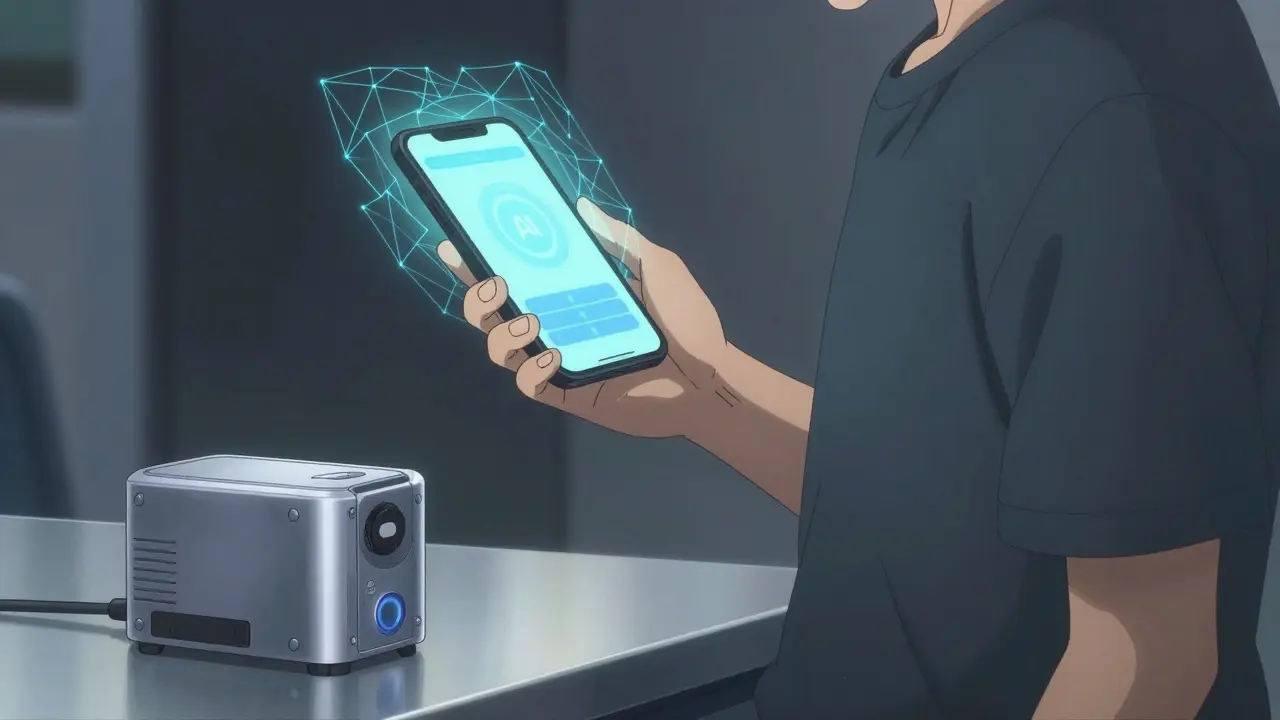
Sometimes the best solution is already in your pocket. Most smartphones come with built-in calendar or clock functions. Using the native iOS Reminders or Android Clock app avoids downloading new software and keeps costs at zero. The downside is that these tools lack medical intelligence. They do not know what Tylenol interacts with, nor do they alert your family if you skip a dose.
Data suggests that while phone alarms are easy to set up, they fail for approximately 68% of users with cognitive impairment. This method relies heavily on personal discipline. If you ignore a notification once out of habit, the system offers no consequence or backup. For younger users without complex schedules, this "do-it-yourself" approach works well enough. For high-risk patients, relying solely on a generic alarm lacks the safety net provided by dedicated medical applications.
| Tool Type | Cost Range | Key Strength | Primary Weakness |
|---|---|---|---|
| Dedicated Apps (e.g., Medisafe) | $0 - $50/year | Drug interaction warnings | Requires smartphone access |
| Smart Hardware (e.g., PillDrill) | $100 - $130 setup | Physical dose verification | Battery life and refilling effort |
| Native Alarms (Phone Clock) | Free | No installation needed | No medical data tracking |
| Caregiver Systems (e.g., Care4Today) | Varies by clinic | HIPAA-compliant messaging | Requires professional enrollment |
Selecting the Right Strategy for Your Life
Choosing the wrong tool leads to abandonment. A 2023 study noted that 74% of new users abandon apps within two weeks without support. To build a sustainable safety plan, match the tool to your lifestyle complexity. If you live alone and manage one or two pills daily, a simple smartphone alarm might suffice. However, if you manage five or more drugs, or share care with a spouse or adult child, invest in a platform with sharing capabilities.
Consider your budget strictly. While Medicare Part D redesigns have begun reimbursing some adherence tools, many plans still leave out-of-pocket costs. Look for freemium options first. Test a free tier for one month before committing to annual subscriptions. Also, evaluate the friction involved. Does the interface require ten clicks to log a dose? If the logging process is tedious, you will stop doing it. Simplicity wins long-term consistency.
Privacy is another silent concern. Some free apps monetize by selling anonymized health data. Before trusting a tool with your prescription history, check their privacy policy. Premium services usually offer better data protection. Additionally, ensure compatibility with your ecosystem. If you wear an Apple Watch, an app lacking wearable integration misses a huge opportunity for vibration alerts during meetings or sleep.

Avoiding Burnout and Notification Fatigue
There is a phenomenon known as notification fatigue. Experts warn that 61% of users disable alerts within 30 days because they become overwhelmed by sound and light. This creates a false sense of security-you believe you have a system, but the system is silenced. To combat this, personalize your scheduling. Set alerts 10 minutes before the dose rather than at the exact time. This gives you a buffer to prepare water or get comfortable.
If you use a shared system, limit the number of people receiving notifications. Flooding a caregiver's phone with missed dose alerts causes them to tune out the signals. Stick to a hierarchy: perhaps only one primary contact gets the "missed dose" alert. Regularly audit your setup. Once a month, review your medication list to ensure deleted prescriptions aren't still generating reminders. Keeping the list clean keeps the mind clear.
Support and Community Resources
You do not have to navigate this journey alone. Online communities play a surprisingly large role in retention. Platforms like Reddit host thousands of users discussing custom scripts and workarounds. These peer networks often solve problems official support channels miss. For example, users frequently share tips on how to bypass battery optimization settings that kill background notifications.
Healthcare providers also offer enterprise-level solutions. Clinics using systems like Care4Today Connectreduced hospital readmissions by integrating clinician-patient messaging directly with medication tracking can send tailored messages. If your doctor's office uses similar technology, ask about enrolling. These tools reduce appointment no-shows and keep your team informed about your adherence in real-time.
Quick Summary
- Choose based on complexity: Simple routines need alarms; complex regimens require smart apps.
- Check for interactions: Software must verify drug combinations, not just times.
- Avoid fatigue: Customize notification timing to prevent disabling alerts later.
- Verify privacy: Free apps may sell data; premium plans usually protect it better.
- Involve others: Sharing access with a caregiver improves adherence rates significantly.
Can medication apps replace my pharmacist?
No. Apps assist with adherence and checking known interactions, but they cannot substitute professional clinical judgment. Always confirm new prescriptions or symptoms with your licensed pharmacist.
Which app is best for seniors?
Medisafe is often preferred due to its large text options and 'MedFriend' caregiver sharing feature, though complex voice commands may frustrate some users aged 65 and older.
Do insurance companies cover these tools?
Coverage is evolving. As of recent updates, Medicare Part D began reimbursing up to $15/month for FDA-authorized adherence tools, but private insurance varies widely.
What happens if I lose my phone?
Cloud-based apps store your schedule online, so syncing with a new device restores your plan. However, always print a weekly card as a physical backup.
Are there offline options without Wi-Fi?
Yes, standard physical alarms or pre-set timers work without internet. Smart apps generally cache schedules locally for offline use, but data syncing requires connectivity.

Devon Riley
March 26, 2026 AT 13:22I think the section about caregiver notifications is spot on for families managing aging parents 🏡 It really helps to have that safety net when memory starts fading later in life 💪 Seeing the data flow between devices gives peace of mind during stressful moments ❤️ Sometimes we forget that technology bridges gaps between generations effectively 📱
kendra 0712
March 28, 2026 AT 03:57This pricing structure is absolutely insane!!!
Sabrina Herciu
March 29, 2026 AT 03:36Actually insurance covers many tiers now... But you need specific documentation!!! Read the policy!!! Some plans reimburse up to fifty dollars per month... You just have to ask your provider directly!!!
walker texaxsranger
March 29, 2026 AT 10:20software relies on proprietary algorithms that leak metadata through background processes while claiming encryption standards never audit third party integrations which creates systemic risk for patient confidentiality protocols and data harvesting continues unchecked by regulatory bodies
Eva Maes
March 29, 2026 AT 17:29You are spinning wild narratives about phantom leaks when real clinical outcomes matter far more than your theoretical data paranoia 🎭 Ignoring the actual mortality statistics to focus on crypto-bro conspiracies misses the forest entirely 🌲 Patient adherence saves lives regardless of server logs 📉
Sarah Klingenberg
March 31, 2026 AT 00:24In my community we prefer sharing the routine rather than relying on gadgets alone :) Cultural habits play a big part in whether meds get taken on time :) Maybe integrate meal times as anchors instead of random hours :) Community support works wonders for motivation :)
Monique Louise Hill
March 31, 2026 AT 09:15Society needs to take personal responsibility for their health metrics instead of blaming cultural factors 🙄 Discipline is the root cause of survival not community vibes 💅 Relying on others weakens individual autonomy completely 🚫
Shawn Sauve
March 31, 2026 AT 23:19I have been managing hypertension for years and the transition to digital tracking changed everything. Initially I felt overwhelmed by the constant notifications on my screen every morning. Now I find the silence of a missed dose more disturbing than any sound. It creates a psychological contract between you and the device that feels binding. If you ignore the alarm you feel a distinct twinge of guilt immediately. That guilt is actually a positive reinforcement loop that keeps you honest most days. Most people stop using the app because they hate the feeling of being monitored constantly. You have to reframe the monitoring as care instead of surveillance to succeed. My brother tried three different hardware solutions before finding the right one for him. He hated the ugly plastic look of the old weekly pillboxes sitting on the counter. Smart dispensers hide the visual clutter of medicine bottles behind sleek designs. This matters for people living alone without family oversight during lonely evenings. Visual cues are powerful triggers for memory recall pathways in the aging brain. We often underestimate how much our physical environment dictates behavior patterns daily. Keep the interface clean so you do not burnout from notification fatigue quickly. Simplicity is truly the ultimate sophistication in health technology implementation.