
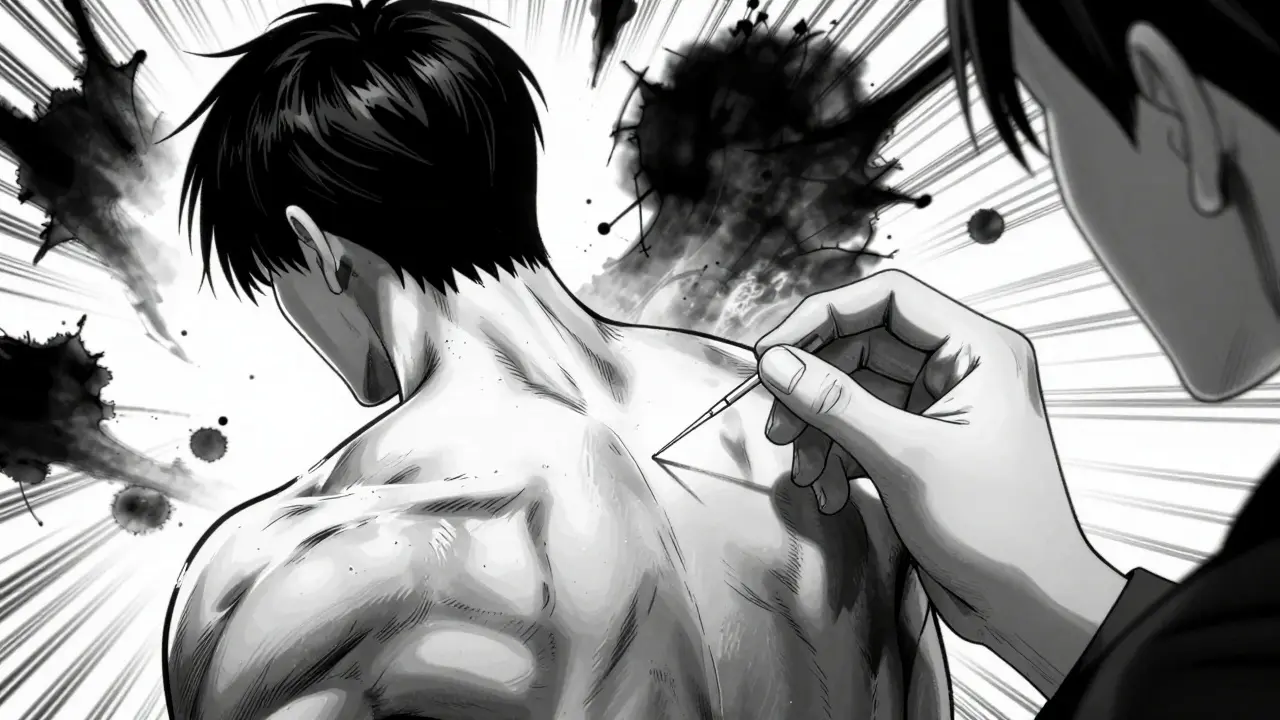
Back in 2018, a massive meta-analysis published in JAMA Internal Medicine shook up the medical world. It pooled data from nearly 18,000 patients across 29 high-quality randomized controlled trials (RCTs) and concluded that acupuncture is a traditional Chinese medicine technique involving needle insertion at specific points to treat various conditions works better than no treatment for chronic pain. But does it work better than a placebo? And more importantly, can it actually help you avoid opioids or heavy medication use? If you’re dealing with persistent pain, these are the questions that matter most.
The global opioid crisis has forced healthcare providers to look harder at non-pharmacological options. With millions of Americans suffering from chronic pain, finding safe, effective alternatives is not just a preference-it’s a necessity. Acupuncture has moved from the fringes of complementary therapy into mainstream clinical guidelines, but understanding exactly what it can do-and where it falls short-requires looking past the marketing hype.
How Acupuncture Works: Beyond the Needles
You might wonder how sticking tiny needles into your skin helps stop pain signals. The mechanism isn’t fully understood, but current research suggests it involves modulating central pain processing pathways, regulating neurotransmitters like endorphins, and creating local tissue effects that reduce inflammation. Dr. Peter Wayne, Research Director at Harvard’s Osher Center for Integrative Medicine, notes that acupuncture likely triggers a cascade of physiological responses rather than acting through a single magic bullet.
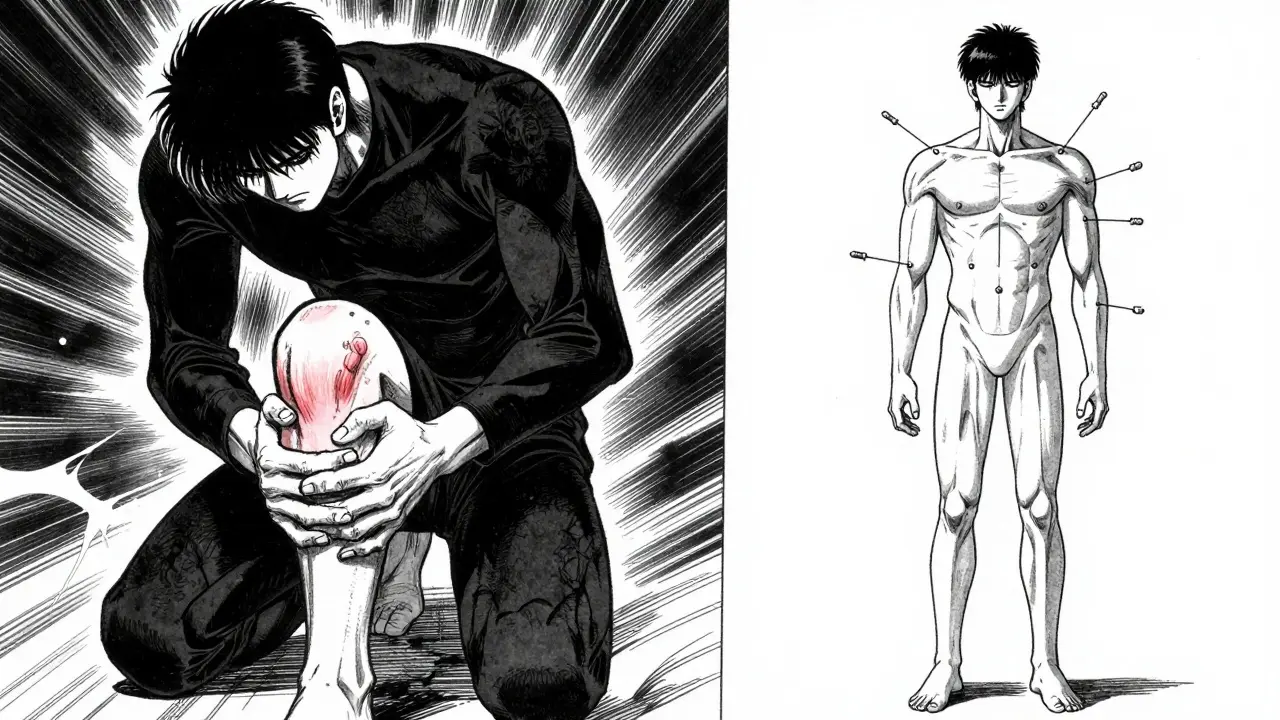
Technically, the procedure involves inserting fine, sterile needles at designated points along meridians. In clinical trials, protocols vary significantly. Some practitioners use fixed formulas-using the same points for every patient with a specific condition. Others prefer flexible or fully individualized approaches, tailoring point selection based on your unique diagnosis and symptoms. Needle retention times typically range from 15 to 30 minutes per session, often accompanied by manual manipulation or electrostimulation to enhance the effect.
It’s worth noting that the experience varies depending on whether you see a practitioner trained in Traditional Chinese Medicine (TCM) or Western medical acupuncture. TCM focuses on balancing energy flow (Qi), while Western medical acupuncture targets neuromuscular pain points directly. Both methods have shown efficacy in studies, though the philosophical underpinnings differ.
What the Data Says: Efficacy by Condition
Not all pain is created equal, and acupuncture doesn’t perform equally well for every type. The evidence is strongest for chronic conditions where pain persists beyond 12 weeks. Let’s break down what the major studies show.
| Pain Condition | Effect Size vs. No Treatment | Effect Size vs. Sham (Placebo) | Clinical Significance |
|---|---|---|---|
| Chronic Back/Neck Pain | 0.55 SD | 0.23 SD | Highly Effective |
| Osteoarthritis (Knee) | 0.57 SD | 0.16 SD | Moderately Effective |
| Chronic Headache/Migraine | 0.42 SD | 0.15 SD | Moderately Effective |
| Acute Postoperative Pain | Low | N/A | Limited Efficacy |
For back and neck pain, the effect size of 0.55 standard deviations compared to no treatment is clinically meaningful. This means patients report a noticeable reduction in pain intensity and improved function. When compared to sham acupuncture (using non-penetrating needles or incorrect points), the difference shrinks to 0.23 SD. While some critics argue this small gap suggests a dominant placebo effect, the American Academy of Family Physicians (AAFP) maintains that the benefits cannot be explained away solely by placebo, especially since the effects persist over time.
Knee osteoarthritis shows similar patterns. A 2018 review by the National Center for Complementary and Integrative Health (NCCIH) found that acupuncture provides pain relief comparable to NSAIDs for knee OA, but with far fewer gastrointestinal risks. For migraine sufferers, regular acupuncture sessions have been shown to reduce the frequency of headaches, offering a preventive strategy rather than just acute relief.
Safety Profile: How Does It Compare?
If you’ve ever taken ibuprofen or naproxen regularly, you know the risks: stomach ulcers, kidney strain, and increased cardiovascular risk. Acupuncture presents a drastically different safety profile. A 2017 systematic review published in Acupuncture in Medicine analyzed data from nearly 23,000 patients and found serious adverse events occurring in less than 0.05% of treatments.
Most side effects are minor and transient-bruising, slight bleeding, or temporary soreness at the needle site. Serious complications, such as pneumothorax (collapsed lung), are exceedingly rare and usually linked to improper technique or unlicensed practitioners. In contrast, NSAIDs cause approximately 103,000 hospitalizations annually in the US alone due to gastrointestinal complications. For patients with compromised liver or kidney function, or those who cannot tolerate opioids, acupuncture offers a viable alternative with minimal systemic risk.
The FDA classifies acupuncture needles as Class II medical devices, requiring them to be sterile and single-use. This regulation ensures that infection control standards are met, making the procedure safe when performed by certified professionals.
Insurance Coverage and Cost Realities
One of the biggest hurdles for patients isn’t efficacy-it’s access. As of 2022, only 56% of US private insurance plans covered acupuncture for pain management. However, the landscape is shifting. Medicare began covering acupuncture for chronic low back pain in 2020, impacting over 12 million beneficiaries. Many employer-sponsored plans now include coverage after initial authorization.
Out-of-pocket costs vary widely. According to 2023 Healthcare Bluebook data, the average cost per session ranges from $60 to $120. A typical course of treatment involves 6 to 12 sessions over 6 to 8 weeks. Maintenance sessions may be needed every 4 to 8 weeks for chronic conditions. While this adds up, a 2021 study in Medical Care found that acupuncture for chronic low back pain yielded $1,873 in healthcare cost savings per patient over 12 months compared to usual care, largely due to reduced reliance on expensive medications and procedures.
Finding the Right Practitioner
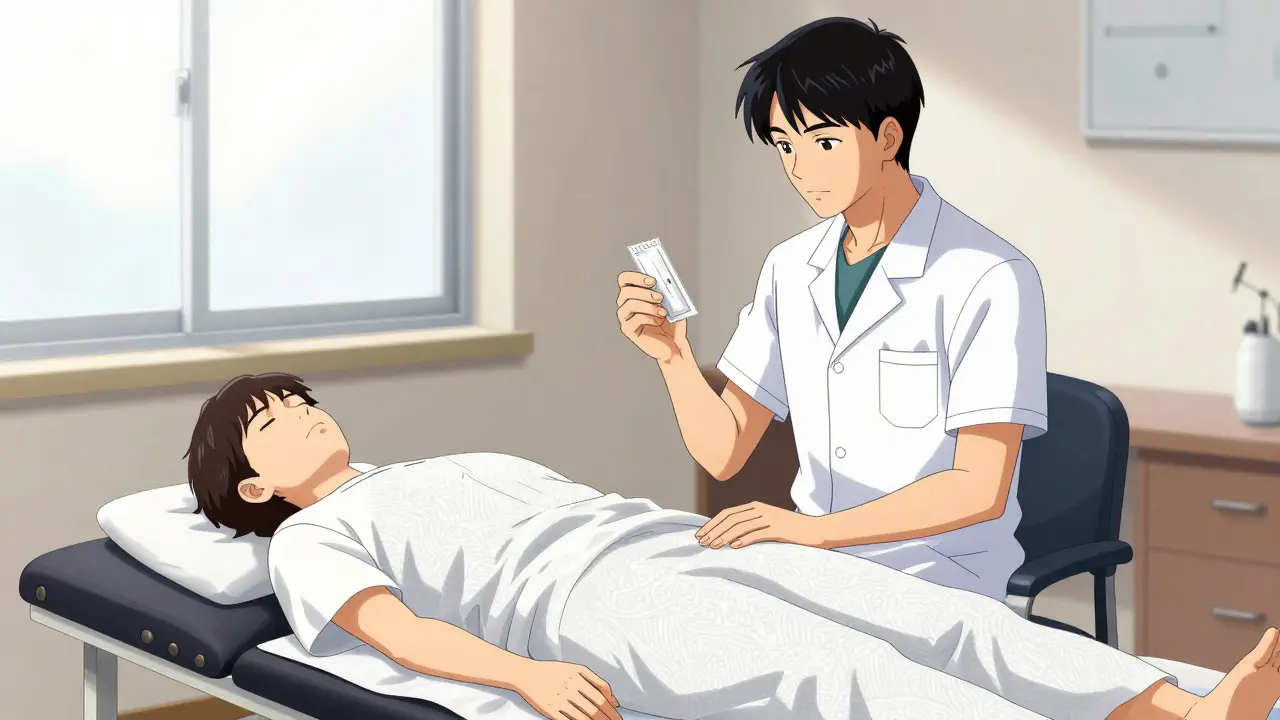
Not all acupuncturists are created equal. Skill variability is a common complaint among patients, cited in 41% of negative reviews on platforms like Healthgrades. To ensure quality care, look for practitioners certified by the National Certification Commission for Acupuncture and Oriental Medicine (NCCAOM). As of 2023, 47 US states require NCCAOM certification for licensure.
Certified practitioners complete 1,800 to 3,600 hours of training, covering anatomy, physiology, herbal medicine, and clinical practice. Ask potential providers about their experience with your specific condition. Do they specialize in sports injuries? Chronic pain? Neurological disorders? A good practitioner will discuss realistic expectations, explaining that benefits often accumulate gradually. Surveys indicate that 68% of patients report noticeable improvement by the sixth session.
When Acupuncture Isn’t Enough
Acupuncture is powerful, but it’s not a cure-all. It shows limited efficacy for acute postoperative pain, where pharmacological interventions remain superior. If you’re recovering from major surgery, don’t rely solely on acupuncture for immediate pain control. Instead, view it as part of a multimodal approach-combining physical therapy, medication, and lifestyle changes.
Dr. Edzard Ernst, a former professor of complementary medicine, argues that the small differences between real and sham acupuncture suggest non-specific effects dominate therapeutic outcomes. While he acknowledges clinical benefits, his critique reminds us to maintain scientific skepticism. Acupuncture should complement, not replace, conventional treatments when necessary. Always consult your primary care physician before starting any new pain management regimen.
Does acupuncture really work for chronic pain?
Yes, substantial clinical evidence supports acupuncture for chronic pain conditions like back pain, neck pain, and osteoarthritis. Major studies show it performs significantly better than no treatment and offers comparable relief to NSAIDs with fewer side effects.
Is acupuncture better than a placebo?
The difference between real acupuncture and sham (placebo) acupuncture is modest but statistically significant. While placebo effects play a role, the persistent benefits observed in long-term studies suggest genuine physiological mechanisms are at work.
How many sessions of acupuncture do I need?
A typical course involves 6 to 12 sessions over 6 to 8 weeks. Most patients notice improvement by the sixth session. Chronic conditions may require maintenance sessions every 4 to 8 weeks to sustain benefits.
Is acupuncture covered by insurance?
Coverage varies. Medicare covers acupuncture for chronic low back pain. About 56% of private US insurance plans cover it for pain management. Check with your provider for specific details and pre-authorization requirements.
Are there risks associated with acupuncture?
Acupuncture is very safe when performed by a licensed professional. Serious adverse events occur in less than 0.05% of cases. Minor side effects may include bruising or soreness. Always use sterile, single-use needles.

Lori Wildrick
May 19, 2026 AT 04:58I really appreciate how this article breaks down the actual data instead of just saying it works or doesn't. It's so refreshing to see the nuance between chronic back pain and acute post-op stuff. I've been looking for something like this to share with my friends who are skeptical about alternative therapies. The part about insurance coverage shifting is huge for people trying to manage costs without going bankrupt.
Jeremiah Cassandra
May 19, 2026 AT 22:42Oh look, another article telling us that sticking needles in ourselves is basically magic 🧙♂️. The effect size vs sham is 0.23 SD. That is statistically significant but clinically... meh? If I get a placebo effect from believing in ancient energy flows, maybe I should just start charging for 'quantum tapping' sessions. At least then I'd be honest about selling hope rather than medicine. 🙄
charles robert
May 21, 2026 AT 11:54The illusion of efficacy is merely a construct of the observer's desperation for relief. You think you feel better because your mind refuses to accept the void of suffering. The needle is not healing you; it is puncturing the veil of your delusion. We are all just meat machines waiting to break down, and these tiny metal pins are our futile attempt to negotiate with entropy. Why do we seek external validation for internal peace? The answer is always silence. 🤫
Warren Brewer
May 22, 2026 AT 13:17Hey guys, thanks for sharing this info. I know some people here might not like needles, but it helps a lot of folks. I had bad knee pain for years and tried lots of pills. They made me feel weird. Acupuncture was gentle and helped me move better after a few weeks. It is not perfect for everyone, but it is worth a try if you have chronic pain. Just make sure you go to someone licensed so it is safe.
Mark Ronson
May 23, 2026 AT 13:28It is interesting to note that the safety profile is significantly better than NSAIDs long term. Many patients overlook the gastrointestinal risks associated with daily ibuprofen use. When considering cost savings, the initial outlay for sessions often pays off by reducing medication reliance. However, one must ensure the practitioner is NCCAOM certified as mentioned. Unlicensed providers pose unnecessary risks. The distinction between TCM and Western medical acupuncture is also crucial for setting expectations regarding treatment philosophy.
Mikey Mann
May 23, 2026 AT 17:59There is a profound truth in finding balance through such ancient practices. While science seeks to dissect every mechanism, sometimes the body just needs permission to heal itself. I found that combining mindfulness with acupuncture created a synergistic effect where my pain levels dropped more than either method alone. It is not just about the physical insertion of needles but the mental space we create during those thirty minutes of stillness. Embrace the process.
Mollie Louise
May 24, 2026 AT 13:43I have been doing acupuncture for over two years now for my migraines, and honestly, it has changed my life in ways I never expected! 🌟 Not only did the frequency of headaches decrease, but I also felt calmer overall. I love that the article mentions the difference between fixed formulas and individualized approaches because my acupuncturist changes points every time based on how I feel that day. It feels very personal and attentive. I highly recommend giving it a chance if you are open-minded! 💆♀️✨
Christina Moran
May 24, 2026 AT 16:29does anyone know if this works for sciatica? i have terrible pain down my leg and my doctor keeps prescribing stronger meds which makes me dizzy. i want to try something natural but im worried about wasting money if it doesnt help. the table says back pain is effective but does that include nerve pain specifically? thx!
mardy duffy
May 26, 2026 AT 12:29Boring.
Desirea Gaona
May 27, 2026 AT 23:32It is imperative that individuals consult with their primary care physicians before initiating any new therapeutic regimen. The integration of complementary medicine into conventional healthcare requires careful oversight to prevent adverse interactions. Furthermore, the variability in practitioner skill necessitates rigorous vetting processes. Patients should demand transparency regarding treatment protocols and expected outcomes. Evidence-based practice remains the gold standard for clinical decision-making.
Yuvraj Singh
May 28, 2026 AT 09:40This is a very well-researched post. In India, we have similar traditional practices like Ayurveda that also focus on holistic healing. It is good to see scientific backing for acupuncture. The point about Medicare covering it for chronic low back pain is a step forward for accessibility. I would suggest that readers also look into combining physical therapy with acupuncture for better results, as movement plays a key role in recovery. Keep up the good work sharing such detailed information.