

CoQ10 & Blood Pressure Interaction Checker
Assess your risk of additive blood pressure lowering effects based on your current medication regimen.
Result
You take your blood pressure medication every morning. You feel good about managing your health. Then a friend suggests adding Coenzyme Q10 (or CoQ10) to help with energy or counteract statin side effects. You buy the bottle, pop a capsule, and wait. But here is the thing nobody tells you at the pharmacy counter: CoQ10 isn't just "extra vitamins." It interacts with how your body handles drugs, and sometimes, it makes your blood pressure drop lower than intended.
The relationship between CoQ10 and antihypertensives is messy. Some studies say it helps lower systolic pressure by a few points. Others, including rigorous reviews from the Cochrane Collaboration, suggest the effect is clinically negligible. Worse, for some people, combining them leads to dizziness, fainting, or unexpected drops in pressure. If you are considering this combo, you need to know exactly what the science says-and where it falls short-before you change your regimen.
What Is Coenzyme Q10 and Why Does It Matter?
Coenzyme Q10, also known as ubiquinone, is a fat-soluble compound found naturally in almost every cell of your body. Its main job is helping mitochondria-the power plants of your cells-produce energy. Your body makes its own CoQ10, but production slows down as you age. By the time you hit your 60s, levels can be significantly lower than they were in your 20s.
People often turn to supplements for two reasons: general heart health support and mitigating muscle pain caused by statins (cholesterol-lowering drugs). Since statins block the same pathway that produces cholesterol, they also inadvertently block CoQ10 production. This depletion is thought to contribute to muscle soreness, a common complaint among statin users. While the evidence on whether CoQ10 actually fixes statin-induced myopathy is still debated, many patients swear by it.
But when you add CoQ10 to the mix while already taking medication for high blood pressure, things get complicated. The supplement has mild vasodilatory effects-it helps relax blood vessels. For someone with untreated hypertension, this might be helpful. For someone whose pressure is already controlled by an ACE inhibitor like lisinopril or a calcium channel blocker like amlodipine, that extra relaxation can push readings too low.
The Evidence Gap: Does It Actually Lower Blood Pressure?
If you search online, you will find headlines claiming CoQ10 lowers blood pressure dramatically. Older studies from the 1980s and 1990s reported reductions of up to 17 mmHg in systolic pressure. That sounds huge. However, modern analysis paints a different picture.
A major meta-analysis published in 2019 reviewed 43 randomized controlled trials. It found a statistically significant reduction in systolic blood pressure of about 3.5 mmHg. While technically significant, most doctors consider a drop of less than 5 mmHg clinically minor for someone already on medication. More importantly, the data was highly inconsistent. Some trials showed big benefits; others showed none.
| Study Type | Finding | Credibility Assessment |
|---|---|---|
| Older Meta-Analyses (Pre-2010) | Suggested large BP reductions (up to 17 mmHg). | Low. Many studies had small sample sizes and high risk of bias. |
| 2019 Cochrane Review | No clinically significant effect on blood pressure. | High. Considered the gold standard for medical evidence review. |
| 2019 Large Meta-Analysis (43 RCTs) | Modest SBP reduction (-3.48 mmHg). | Moderate. High heterogeneity means results varied wildly between studies. |
| Recent Clinical Observations | Additive effect with meds may cause hypotension. | Practical. Based on patient reports and smaller open-label studies. |
The disconnect comes down to study quality. The older, optimistic studies often lacked proper blinding or had small groups of participants. When researchers look only at high-quality, double-blind trials, the dramatic benefits vanish. The American Heart Association hasn't endorsed CoQ10 for treating hypertension because the evidence simply isn't strong enough to replace standard care.
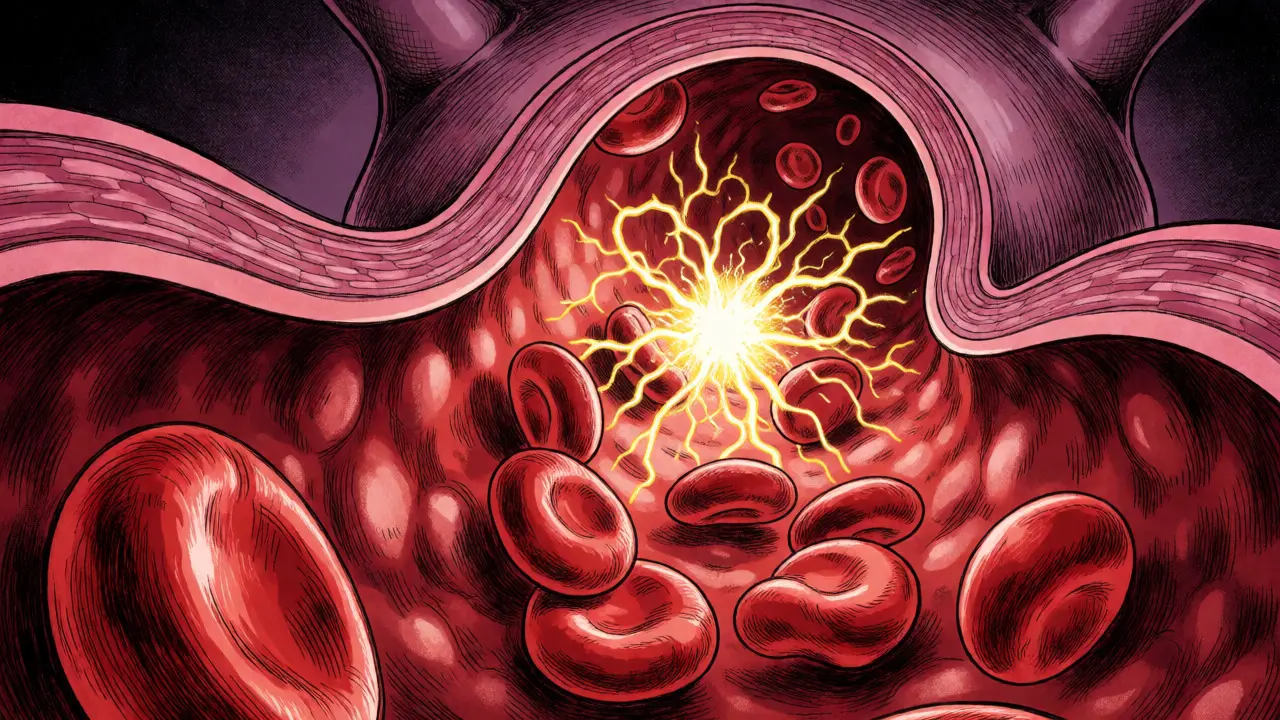
Real-World Interactions: When the Numbers Drop Too Low
Here is where theory meets reality. Even if CoQ10 doesn't cure hypertension, it can interact with your meds. In one open-label study involving 109 patients, more than half were able to reduce their dosage of antihypertensive drugs after starting CoQ10 supplementation. That sounds great until you realize that without monitoring, those reductions can lead to symptomatic hypotension.
Patient reports from platforms like Drugs.com highlight specific risks. About 22% of users combining CoQ10 with blood pressure meds reported dizziness or lightheadedness. One user described their systolic pressure dropping to 85/55 after taking 300mg of CoQ10 alongside lisinopril and hydrochlorothiazide. That is dangerously low territory for many adults, leading to fatigue, blurred vision, or even fainting.
The mechanism isn't always direct drug metabolism interference. Dr. Sina Hartung, a researcher cited in recent health analyses, notes that CoQ10 acts on mitochondrial pathways rather than liver enzymes that break down drugs. So, it doesn't usually stop your medication from working. Instead, it adds a separate, mild blood-pressure-lowering effect. Two forces pushing the pressure down instead of one can tip the balance.
Specific Drug Classes and Risks
Not all blood pressure medications react the same way with CoQ10. Here is what you need to watch out for:
- Calcium Channel Blockers (e.g., Amlodipine, Nifedipine): These drugs relax blood vessels directly. Adding CoQ10, which also supports vascular health, can have an additive effect. Animal studies suggest CoQ10 might increase exposure to nifedipine by nearly 50%, potentially amplifying its impact.
- ACE Inhibitors (e.g., Lisinopril, Enalapril): Commonly prescribed, these drugs prevent blood vessel constriction. Combining them with CoQ10 requires careful monitoring, especially if you are on multiple agents.
- Diuretics (e.g., Hydrochlorothiazide): These remove fluid from the body. If CoQ10 further lowers pressure, the combination can lead to electrolyte imbalances and dehydration symptoms.
- Warfarin (Blood Thinner): While not a BP med, many hypertensive patients take warfarin. CoQ10 has been shown to decrease warfarin's effectiveness, potentially raising clotting risk. Case reports indicate INR values (a measure of clotting time) can drop by 15-25% in users taking both.
If you take any of these, do not start CoQ10 cold turkey. The interaction profile varies by individual biology, diet, and the specific formulation of the supplement.

How to Safely Add CoQ10 to Your Regimen
If you decide to try CoQ10, treat it like a medication, not a candy. Here is a practical approach to minimize risks:
- Start Low: Begin with a low dose, such as 100 mg per day. Higher doses (300-600 mg) are common in marketing but carry a higher risk of interaction.
- Take With Fat: CoQ10 is fat-soluble. Taking it with a meal containing oils, avocado, or nuts improves absorption significantly compared to taking it on an empty stomach.
- Monitor Twice Weekly: For the first month, check your blood pressure at home twice a week. Keep a log. Look for trends toward the lower end of your target range.
- Talk to Your Doctor Before Adjusting Meds: Do not cut your pill count because you feel better. Let your doctor see the data. If your average BP drops consistently below your target, they may choose to taper your prescription.
- Choose Ubiquinol for Better Absorption: Standard CoQ10 is ubiquinone. Ubiquinol is the active, reduced form. Studies show ubiquinol has 2-4 times greater bioavailability, meaning you might need a lower dose to achieve the same effect, reducing the risk of overload.
Who Should Avoid CoQ10 With BP Meds?
Some people should skip this supplement entirely or proceed with extreme caution:
- Those with unstable blood pressure: If your readings swing widely, adding another variable makes management harder.
- Patients on narrow therapeutic index drugs: If you take warfarin, digoxin, or lithium, the interactions are well-documented and risky.
- Individuals with kidney disease: Changes in blood flow dynamics can affect kidney function, requiring closer oversight.
The market for CoQ10 is booming, estimated at over $1 billion globally. But remember, it is classified as a dietary supplement in the US and UK. This means manufacturers do not need to prove efficacy before selling it, unlike pharmaceutical drugs. Quality varies wildly between brands. Look for third-party testing seals like USP or NSF to ensure what is on the label is in the bottle.
CoQ10 is not a magic bullet for hypertension. It is a supportive tool that works best when integrated carefully into a broader treatment plan. The key takeaway? Communication. Tell your pharmacist and your doctor exactly what you are taking. Bring your home BP logs to appointments. If you experience dizziness, fatigue, or unusual weakness, stop the supplement and call your provider immediately.
Can I take CoQ10 with my blood pressure medication?
Yes, generally you can, but it requires caution. CoQ10 may have an additive effect with antihypertensive drugs, potentially lowering your blood pressure more than intended. Monitor your levels closely and consult your doctor before starting, especially if you take multiple medications.
Does CoQ10 lower blood pressure significantly?
Research is mixed. Recent high-quality reviews suggest the effect is modest, averaging a reduction of about 3-5 mmHg in systolic pressure. While statistically significant, this is often considered clinically minor for patients already on effective medication.
What are the signs that CoQ10 is interacting badly with my meds?
Common signs include dizziness, lightheadedness, fainting, unusual fatigue, or blurred vision. These symptoms often indicate hypotension (low blood pressure). If you experience these, check your blood pressure and contact your healthcare provider.
Is ubiquinol better than standard CoQ10 for blood pressure?
Ubiquinol is the active form of CoQ10 and is absorbed better by the body (2-4 times more bioavailable). Because it is absorbed more efficiently, you may need a lower dose to achieve the same effect, which could theoretically reduce the risk of overwhelming your system when combined with other drugs.
Can CoQ10 replace my blood pressure medication?
No. CoQ10 is not a substitute for prescribed antihypertensive therapy. Major health organizations like the American Heart Association do not recommend it as a primary treatment due to inconsistent evidence. It should only be used as a complementary supplement under medical supervision.


Venkatesan V.K.
September 2, 2026 AT 02:24the cochrane review is the only thing that matters here. everything else is noise.
Marc-David Mayer
September 3, 2026 AT 06:05Great breakdown! 🌟 It’s so important to remember that supplements aren't just 'extra vitamins' and can have real physiological effects. 👍 Definitely keeping a log if I ever try this combo again! 💊📉
Harry Falk
September 4, 2026 AT 11:41Monitoring is key. Do not adjust meds without data.
Eryn Manchego
September 5, 2026 AT 00:05love the nuance here!! its not black and white... sometimes your body just needs that extra mitochondrial juice 🧃✨ but yeah, watch out for those dizzy spells!!! don't let the marketing fool you into thinking it's a cure all... stay chill and listen to your bp monitor 🩺💖
Patrick van der Velde
September 5, 2026 AT 23:13It is frankly embarrassing that the general public still falls for the 'natural means safe' fallacy. The evidence gap is glaringly obvious to anyone with a basic understanding of pharmacokinetics. If you cannot read a meta-analysis, you have no business self-medicating with compounds that alter vascular tone. The industry thrives on this ignorance. Period.
Lolo Del
September 6, 2026 AT 19:56Hey everyone, just a friendly reminder from an old timer: always tell your pharmacist what you're taking. They see the interactions we miss. CoQ10 is great for statin users usually, but BP meds are tricky. Stay safe!
Stephen Horn
September 8, 2026 AT 06:27The pharmaceutical lobby has every incentive to dismiss CoQ10 as clinically negligible. One must consider the possibility that standard trials are designed to fail for non-patentable compounds. Furthermore, the variability in supplement quality suggests a deliberate obfuscation by regulatory bodies. We are being kept dependent on synthetic interventions while effective, natural alternatives are marginalized through bureaucratic inertia.
Gurjit Singh
September 8, 2026 AT 22:28It is morally irresponsible to take anything without consulting a doctor. People treat their bodies like garbage bins for random pills. You must respect the science and the medical profession. Do not play doctor with your own health.
hareesh kumar
September 9, 2026 AT 02:20i totally agree with the post but i feel like people ignore the fact that big pharma hates this stuff because they cant patent nature lol... also my uncle took it and his pressure went way down so be careful!!! dont trust the studies blindly cause they are paid off maybe?? idk just saying... its sus 🤨👀
kishhore kumar
September 10, 2026 AT 20:56hey guys interesting read... i wonder if ubiquinol vs ubiquinone makes a huge difference in interaction risk? seems like absorption rates could change the effective dose drastically right? would love to see more data on that specific comparison since most studies lump them together imo
Morgan Law
September 11, 2026 AT 06:22Yo, solid info. I used to pop these without thinking twice. Now I check my BP before I even open the bottle. Better safe than fainting at the grocery store, right? 😂 Keep up the good work sharing this stuff!
Sarah Leitschuh
September 11, 2026 AT 19:21This is a really balanced perspective. It’s easy to get caught up in the hype or the dismissal, but the middle ground is where patient safety lives. Encouraging people to communicate with their providers rather than making unilateral decisions is the best advice here. Good job highlighting the warfarin interaction too-that one catches a lot of people off guard.
Aaron Gragg
September 13, 2026 AT 14:28From a clinical standpoint, the distinction between statistical significance and clinical relevance is paramount. A reduction of 3-5 mmHg systolic pressure is statistically significant in large cohorts but often fails to meet the threshold for meaningful patient outcome improvement in individuals already stabilized on antihypertensives. Moreover, the pharmacodynamic synergy between CoQ10-induced vasodilation and calcium channel blockers warrants rigorous hemodynamic monitoring. Patients should prioritize third-party verified formulations (USP/NSF) to mitigate variability in bioavailability which complicates dose-response relationships. This is not merely about preference; it is about minimizing adverse event profiles in polypharmacy scenarios.
Curtis Surpless
September 14, 2026 AT 04:23honestly the whole debate feels like splitting hairs... if it works for some and not others then who cares about the p-value??? just listen to your body and stop overthinking the jargon... supplements are personal anyway