
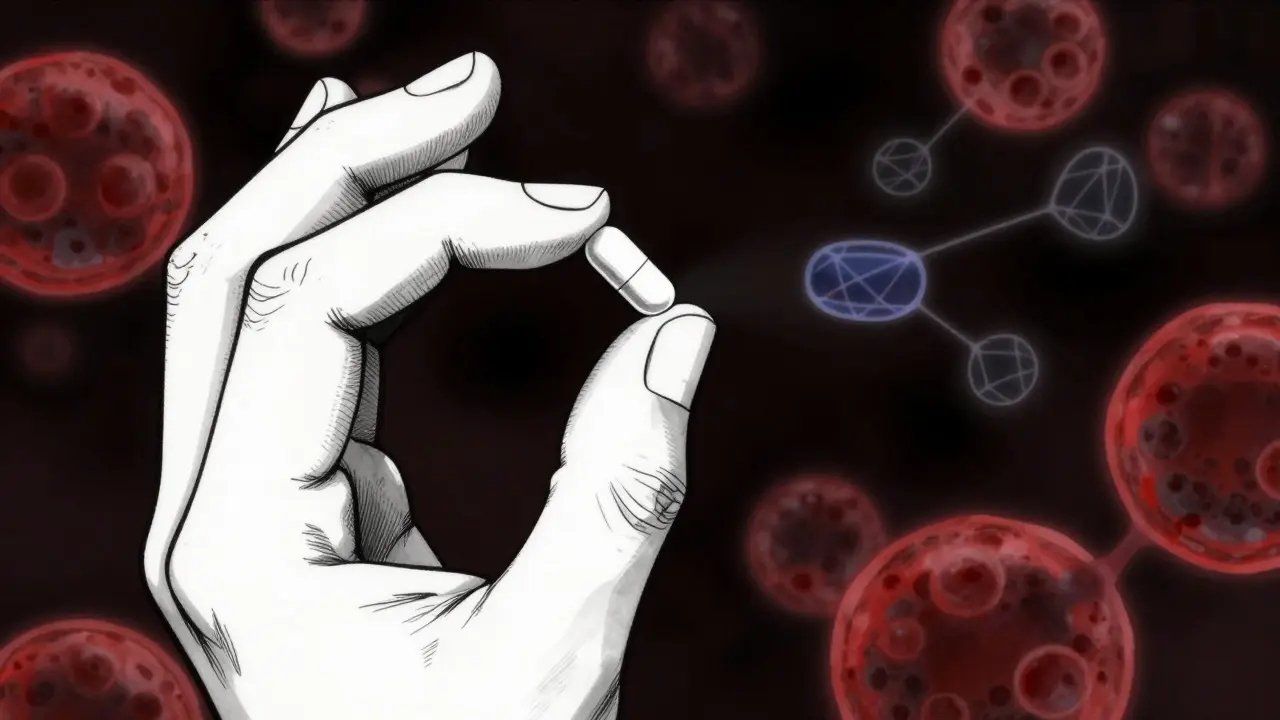
Imagine being told your cancer is treatable, but the cure involves rewriting your own immune system. That reality has become standard for many patients with leukemia and lymphoma. The shift from traditional chemotherapy to precision medicine isn't just a buzzword; it's a fundamental change in how we approach hematologic malignancies. Instead of blasting the body with toxic drugs that kill healthy cells along with cancerous ones, modern treatments use specific molecular targets or engineered immune cells to hunt down disease with surgical precision.
This transition began in 2001 with the approval of imatinib for chronic myeloid leukemia, but it has accelerated rapidly since 2017 when the first CAR T-cell therapy was approved. Today, the landscape is filled with options like BTK inhibitors and BCL-2 inhibitors for oral use, alongside complex cellular therapies that require hospitalization. For patients and families navigating this new terrain, understanding the differences, benefits, and logistical hurdles of these two main categories is crucial for making informed decisions.
Key Takeaways
- Targeted therapies are oral pills that block specific proteins needed by cancer cells to survive, offering a less toxic alternative to chemo.
- Cellular therapies, specifically CAR T-cells, involve engineering a patient’s own immune cells to attack cancer, often used when other treatments fail.
- Targeted agents like ibrutinib and venetoclax are widely accessible, while CAR T-cell therapy requires specialized centers due to high costs and complex side effects.
- Newer dual-target cellular therapies are emerging to prevent cancer cells from escaping treatment, potentially allowing for safer outpatient management.
- The choice between these approaches depends on the specific type of blood cancer, the patient’s health status, and previous treatment history.
Understanding the Two Main Approaches
To grasp why these treatments matter, you have to look at how they work. Targeted therapy uses drugs to stop specific molecules that help cancer grow. Think of it as using a key that only fits one lock. In the case of B-cell cancers, these locks are often signaling pathways like the Bruton tyrosine kinase (BTK) pathway or the BCL-2 survival protein. When you block these pathways, the cancer cell loses its ability to receive growth signals or avoid death.
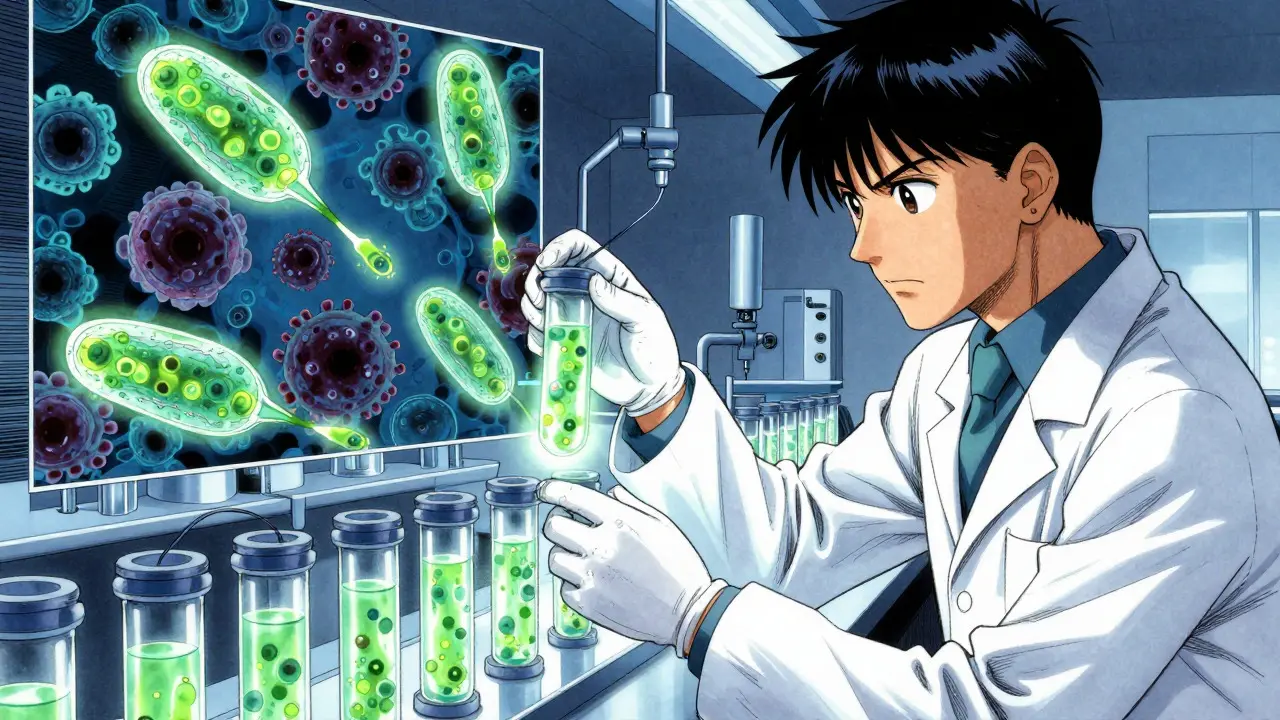
On the other hand, Cellular therapy harnesses the power of the patient's own immune system to fight cancer. The most common form here is Chimeric Antigen Receptor (CAR) T-cell therapy. This process involves collecting a patient’s T-cells through a procedure called leukapheresis, modifying them in a lab to express receptors that recognize cancer antigens (like CD19), expanding their numbers, and then infusing them back into the patient. These engineered cells act like guided missiles, seeking out and destroying cancer cells without needing continuous drug administration.
Targeted Therapies: Precision in a Pill
For many patients with chronic lymphocytic leukemia (CLL) or small lymphocytic lymphoma (SLL), targeted therapies have become the first line of defense. The advantage here is convenience and reduced toxicity. You take a pill, usually once a day, rather than undergoing weeks of hospital visits for chemotherapy.
Two major classes dominate this space:
- BTK Inhibitors: Drugs like ibrutinib and acalabrutinib block the BTK enzyme. Ibrutinib, for example, is taken at 420 mg daily. It prevents B-cells from receiving signals that tell them to stay alive and multiply.
- BCL-2 Inhibitors: Venetoclax targets the BCL-2 protein, which acts as a shield against cell death. By blocking this shield, venetoclax allows the body’s natural mechanisms to clear out cancer cells. It is typically started at a low dose and ramped up over five weeks to manage side effects like tumor lysis syndrome.
The clinical results are impressive. Studies show that combining venetoclax with monoclonal antibodies like obinutuzumab can generate deep and durable remissions. Dr. William G. Wierda from MD Anderson Cancer Center notes that these combinations provide efficient therapies with a fixed duration, meaning patients aren’t necessarily on medication forever. However, resistance can develop. If a patient has specific genetic mutations, such as del(17p) or TP53 mutations, they may progress faster on these drugs, requiring a switch in strategy.
Cellular Therapies: Engineering a Cure
When targeted therapies fail, or in certain aggressive forms of lymphoma, cellular therapies step in. CAR T-cell therapy is not a simple infusion; it’s a biological manufacturing process. After your T-cells are collected, they spend three to five weeks in a laboratory being genetically modified. Once ready, they are infused back into you.
The efficacy data is striking. In relapsed or refractory large B-cell lymphoma, Yescarta (axicabtagene ciloleucel) has shown four-year overall survival rates of over 40% in second-line settings. This is a significant jump compared to older salvage chemotherapy options. More recently, researchers are testing dual-target CAR T-cells that aim for both CD19 and CD20 antigens. The goal is to prevent antigen escape, where cancer cells simply stop displaying the target protein the T-cells are looking for. Early trials suggest these newer versions could be safer and more effective, potentially allowing treatment outside of a hospital setting.
However, this power comes with a price tag-both financially and physically. The cost per treatment course averages between $373,000 and $475,000. Furthermore, the side effects are unique and severe. Cytokine release syndrome (CRS) and neurotoxicity occur in a significant portion of patients, requiring close monitoring in an ICU setting. This is why only 89% of NCI-designated cancer centers currently offer this therapy, while community practice penetration remains lower at 32%.
Comparing Efficacy, Safety, and Logistics
Choosing between these paths isn't always a binary decision. Sometimes, they are used sequentially. A patient might start with a BTK inhibitor, and if the disease progresses, move to a BCL-2 inhibitor, and finally consider CAR T-cell therapy if those also fail. Here is how they stack up in practical terms:
| Feature | Targeted Therapy (e.g., BTK/BCL-2 Inhibitors) | Cellular Therapy (e.g., CAR T-Cells) |
|---|---|---|
| Administration | Oral pill, daily or intermittent | Intravenous infusion after collection and manufacturing |
| Primary Use Case | First-line treatment for CLL/SLL, maintenance | Relapsed/refractory cases, aggressive lymphomas |
| Major Side Effects | Bleeding risk, infections, tumor lysis syndrome | Cytokine release syndrome, neurotoxicity, prolonged low blood counts |
| Cost (Approx.) | $15,000 - $25,000 per month | $373,000 - $475,000 per course |
| Infrastructure Need | Standard oncology clinic | Specialized center with ICU capability |
One critical difference is the timeline. Targeted therapies start working relatively quickly, but you must keep taking them to maintain control. CAR T-cell therapy is a one-time event (mostly), but the wait for manufacturing is long, and the recovery period is intense. For elderly patients with comorbidities, the financial and physical burden of CAR T-cell therapy creates ethical dilemmas, as noted by physicians in recent ASCO discussions. Conversely, for younger patients with aggressive disease, the potential for a long-term cure makes the short-term hardship worth the risk.

Navigating the Practical Challenges
If you or a loved one are considering these options, logistics play a huge role. For targeted therapies, the main challenge is managing long-term side effects and ensuring adherence. Missing doses can lead to rapid disease progression. Patients need regular blood tests to monitor for signs of resistance or toxicity.
For cellular therapies, the journey begins with finding a certified center. Not every hospital can handle the complexities of CRS management. You will likely need to travel to a major academic medical center. The process involves:
- Leukapheresis: Collecting your blood cells, similar to donating platelets.
- Manufacturing: Waiting 3-5 weeks for your cells to be engineered and expanded.
- Lymphodepleting Chemotherapy: A short course of chemo to clear out existing immune cells so the new CAR T-cells can thrive.
- Infusion and Monitoring: Receiving the cells and staying in the hospital for several weeks to monitor for severe reactions.
Support systems are vital here. Many manufacturers, like Kite/Gilead, provide nurse navigators and 24/7 hotlines to guide patients through this maze. Documentation and guidelines from organizations like the NCCN are updated quarterly, but real-world experience often evolves faster than official protocols. Staying connected with your care team and asking about current trial opportunities can also open doors to next-generation therapies that aren't yet widely available.
What the Future Holds
The field is moving fast. We are seeing a trend toward using cellular therapies earlier in the disease course. A survey of hematology experts predicts that by 2030, a majority will recommend first-line CAR T-cell therapy for high-risk lymphomas. Meanwhile, next-generation targeted agents are being designed to overcome resistance. Dual-target CAR T-cells, like those targeting both CD19 and CD20, aim to make the therapy more durable and safer, potentially reducing the need for intensive hospital stays.
As these technologies mature, the gap between "treating" and "curing" continues to shrink. While challenges remain regarding cost and access, the core message is one of hope. For diseases that were once considered untreatable, we now have tools that can provide patients with a high quality of life for long periods. Understanding the distinct roles of targeted and cellular therapies empowers you to have a more productive conversation with your oncologist, ensuring that the right tool is chosen for the right moment in your treatment journey.
What is the main difference between targeted therapy and cellular therapy?
Targeted therapy uses drugs to block specific molecular pathways in cancer cells, usually taken orally. Cellular therapy involves engineering a patient's own immune cells (like T-cells) to attack cancer, requiring a complex manufacturing process and hospitalization.
How much does CAR T-cell therapy cost?
As of 2025, the average cost per treatment course for CAR T-cell therapy ranges from $373,000 to $475,000. This does not include additional costs for hospitalization, monitoring, or managing side effects.
Are targeted therapies a cure for leukemia?
Targeted therapies often provide long-term control and deep remissions, especially in conditions like CLL. However, they are not always considered a permanent cure because resistance can develop over time. They are often used as part of a broader treatment plan that may include other modalities later.
What are the common side effects of BTK inhibitors?
Common side effects include fatigue, diarrhea, muscle pain, and an increased risk of bleeding or bruising. Some patients may also experience atrial fibrillation (irregular heartbeat). Regular monitoring is required to manage these risks.
Can I go home after receiving CAR T-cell therapy?
No, most patients need to stay in the hospital for several weeks after infusion to monitor for cytokine release syndrome (CRS) and neurotoxicity. Newer generations of CAR T-cells may allow for outpatient management in the future, but currently, inpatient care is the standard.
Darcy Galway
August 17, 2026 AT 22:10Here in Canada we are still waiting for the price tag to come down so more folks can get it. The pills are easier on the wallet but you have to keep taking them forever which is its own kind of burden.
Marc-Alexandre Rizzo
August 18, 2026 AT 20:17This is a wild shift from the old days of chemo where you just hoped the poison killed the cancer before it killed you. I love how they frame CAR-T as rewriting your immune system, it feels like science fiction becoming reality. The idea that your own body becomes the weapon is both terrifying and beautiful.
The cost difference is staggering though. $400k for a one-time fix versus $20k a month for the pills? That is a brutal math problem for any family. It really highlights how access to these miracles is still gated by geography and insurance depth. We need better community support systems for the people who end up traveling to those specialized centers.
Simon-Pierre Bouchard
August 20, 2026 AT 13:11Ooh, "surgical precision" my foot. It's still a lottery with a higher entry fee. I bet the insurance adjusters are having a stroke reading that table right now.
Paul Coar
August 22, 2026 AT 03:05man this is actually pretty cool stuff. i was worried about the side effects but seeing that the new dual target ones might let you stay home is huge. no more being stuck in an ICU for weeks feeling like garbage. just wish the wait time for the lab work wasnt so long tho. three to five weeks is a lifetime when you feel sick
Vivek sharma
August 23, 2026 AT 16:16This is a profound reminder that medicine is not just about biology, but about economics and ethics :). The gap between the 'cure' and the 'treatment' is shrinking, but the gap between the rich and the poor is widening. We must look at these therapies not just as tools, but as rights. If we can engineer a cell to kill cancer, why can't we engineer a society that ensures everyone has access to it? The future is bright, but only if we share the light equally :)
Garry Hedges
August 24, 2026 AT 12:56let's be real here. the tech is amazing but the delivery system is broken. we are treating blood cancers like luxury goods. if you cant pay 400k you are basically on the old chemo track or praying for a trial slot. the industry needs to stop acting like this is a premium product and start acting like it is basic healthcare. until then its just expensive hope
Jamaal Johnson
August 25, 2026 AT 08:59One must observe the dramatic irony of a therapy designed to save lives requiring such a draconian financial toll. The narrative of 'hope' is often overshadowed by the cold hard reality of hospital billing departments. For the elderly patient with comorbidities, the ethical dilemma is not merely medical; it is existential. Do we sacrifice their remaining quality of life for a statistical chance at extension? The answer is rarely simple, yet the pressure to choose is immediate and unforgiving.
Ankit Sinha
August 25, 2026 AT 20:57Look, the article misses the obvious point. Resistance is inevitable because evolution doesn't care about your fancy drugs. BTK inhibitors fail because the cells adapt, duh. The only real solution is aggressive upfront cellular therapy for everyone, even early stage. Why waste time on pills that will just make the cancer stronger later? It's inefficient and lazy medicine. We should be moving patients to CAR-T immediately upon diagnosis if they can afford it. Anything else is just delaying the inevitable failure of targeted agents. Stop pretending the pills are a cure, they are a band-aid on a bullet wound.