
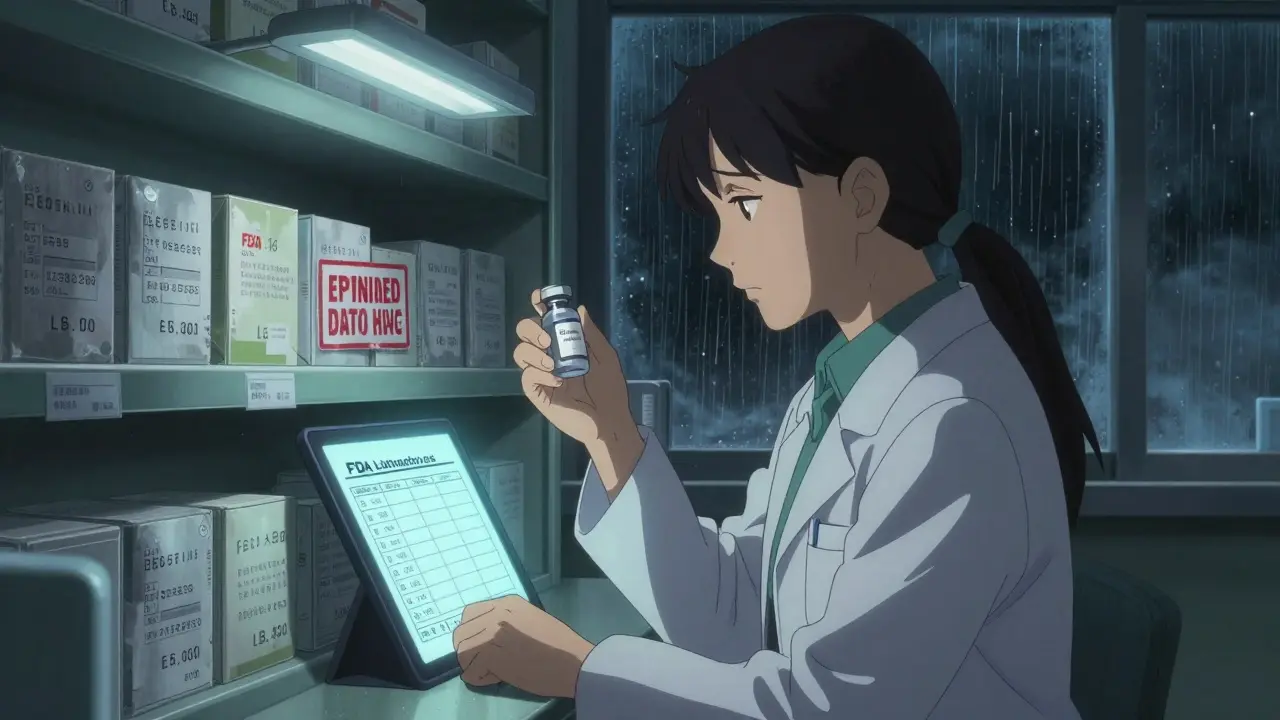
When a life-saving drug runs out, hospitals don’t just wait for more to arrive. In the U.S., the FDA has a powerful but little-known tool to keep patients covered: extending the expiration dates of drugs still in stock. This isn’t a loophole or a gamble-it’s a carefully controlled, data-driven process that’s kept thousands of patients alive during shortages of essential medicines.
What Exactly Is an Extended Use Date?
An extended use date means a drug’s original expiration date is pushed further into the future-sometimes by months, sometimes by a full year or more. The FDA approves this only after reviewing stability data from the manufacturer proving the drug still works safely and effectively beyond its labeled date. It’s not the same as using expired medicine. These are drugs that were never expired in the first place; they’re just being allowed to be used longer than the original label said.For example, in October 2024, the FDA allowed certain IV solutions from Baxter to be used up to 24 months after manufacture, instead of the original 12 months. That’s a 100% extension. Another case: Meperidine hydrochloride injection, a painkiller used in emergencies, had its expiration date moved from September 30, 2025, to January 30, 2026. These aren’t random guesses. Every extension is backed by lab tests showing the drug hasn’t broken down, lost strength, or become unsafe.
Why Does the FDA Do This?
The FDA doesn’t extend expiration dates because it’s convenient. It does it because people will die without the drug. When a drug is in shortage, the agency defines it as: “demand or projected demand for the drug within the United States exceeds the supply.” That’s not a minor hiccup. It’s a crisis.Some of the most commonly extended drugs include propofol (used for anesthesia), epinephrine (for allergic reactions), and dantrolene (for malignant hyperthermia). These aren’t optional meds. They’re critical. If you’re in the ER with a heart attack, a seizure, or a severe allergic reaction, you need these drugs now. There’s often no good substitute.
Before 2012, manufacturers didn’t have to tell the FDA about potential shortages until it was too late. The Food and Drug Administration Safety and Innovation Act (FDASIA) changed that. Now, if a company sees a manufacturing delay or a quality issue that could lead to a shortage, they must notify the FDA early. That gives the agency time to act-like approving an expiration extension before the drug runs out completely.
How Are These Extensions Approved?
There are four main ways the FDA allows extended use, but the most common is this: the manufacturer runs stability tests on stored batches of the drug. They check for changes in chemical makeup, potency, and purity over time. If the data shows the drug remains stable beyond its original expiration date, they submit it to the FDA. The agency reviews it, often consulting independent labs, and then approves the extension.Typical extensions add about a year. But some go further. In 2024, antiviral drugs like Tamiflu and Relenza-stockpiled for pandemic emergencies-were extended under special authority from the Project BioShield Reauthorization Act (PAHPRA). That law lets the FDA extend dates for medical countermeasures used in bioterrorism or public health emergencies. It’s a safety net for worst-case scenarios.
Not every drug gets this treatment. The FDA is selective. Only drugs labeled as “critical” qualify. That means they’re either:
- Used in life-or-death situations
- Have no safe or effective alternatives
- Are used by large patient populations
For example, you won’t see an extension for a common antibiotic with 10 other options. But you’ll see one for a rare chemotherapy drug used only in pediatric cancer patients. The FDA’s focus is on saving lives, not saving inventory.
What Does This Mean for Hospitals and Pharmacies?
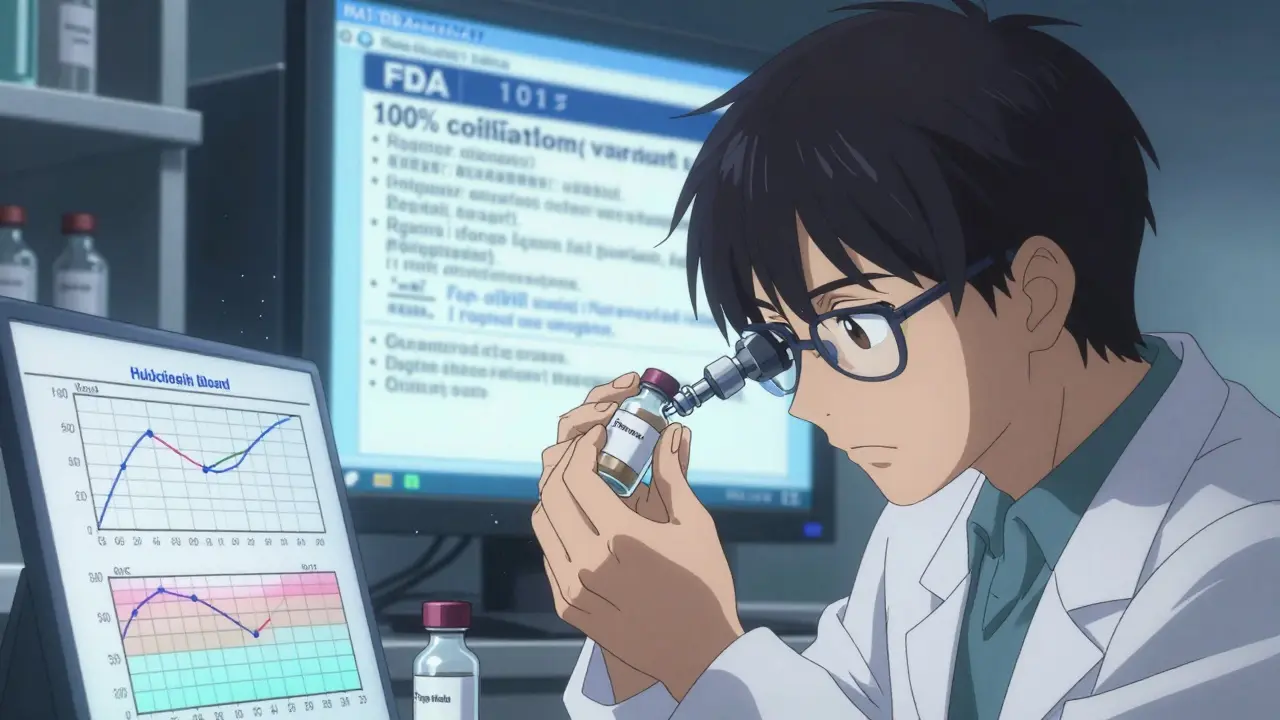
If you work in a hospital pharmacy, this isn’t just policy-it’s daily reality. You can’t just assume all lots of a drug have the same expiration date. The FDA’s extended use list is specific: it names the exact NDC number and lot number of each batch approved for extension.That means your pharmacy system must track lots, not just generic product names. A pharmacist might have two boxes of epinephrine on the shelf. One expires in November 2025. The other, from a different lot, was extended to March 2026. If you give the wrong one, you risk giving expired medication. That’s why hospitals now train staff to check the FDA’s online database before using any drug during a shortage.
The FDA doesn’t require manufacturers to relabel the bottles. So if you’re holding a vial with a faded expiration date, you have to cross-reference it with the FDA’s public table. It’s a manual process, but it’s necessary. The agency is clear: if new supply arrives, you must stop using the extended-date lots and dispose of them properly.
What Drugs Are Most Affected?
As of late 2024, the FDA’s database showed 343 drug products with approved expiration extensions. The top categories:- Propofol injections - Used for anesthesia and sedation in ICUs
- Epinephrine injections - For anaphylaxis and cardiac arrest
- Dantrolene sodium - For malignant hyperthermia during surgery
- IV fluids - Especially saline and dextrose solutions, which have been in short supply since 2023
- Medical countermeasures - Like Tamiflu, antivirals, and nerve agent antidotes
Propofol alone makes up the largest share. That’s because it’s used in nearly every operating room, and there are very few manufacturers. When one plant has a quality issue, the whole country feels it.
How Long Do These Extensions Last?
There’s no fixed timeline. Extensions are temporary. They last only as long as the shortage does. The FDA’s goal isn’t to make drugs last forever-it’s to bridge the gap until production resumes. Once a new batch comes in, hospitals are expected to switch back to fresh stock.The FDA updates its shortage list daily. You can see which shortages are resolved, which are active, and which have been discontinued. A shortage stays listed as “Current” until supply meets demand. Even after it’s resolved, it remains visible for six months so providers can track inventory changes.
Some extensions have already expired. Others are still active. For instance, the extension for certain Baxter IV bags was approved in October 2024 and remains valid as of December 2025. That’s over a year of extra supply-enough to keep hundreds of hospitals running during a critical period.
Is This Safe?
Yes-when done correctly. The FDA doesn’t approve extensions lightly. Stability testing follows strict guidelines from the U.S. Pharmacopeia (USP). Drugs are tested for:- Chemical degradation
- Loss of potency
- Presence of impurities
- Physical changes (cloudiness, particles, discoloration)
If any of these are outside acceptable limits, the extension is denied. The agency has turned down requests before. It’s not about saving money. It’s about patient safety.
And it works. In 2021, a major shortage of epinephrine threatened pediatric emergency care. The FDA approved extensions for several lots. Hospitals reported no adverse events from using the extended-date products. That’s not luck-it’s science.
What’s the Bigger Picture?
Expiration date extensions are a band-aid, not a cure. They help right now, but they don’t fix the root problems: single-source manufacturing, global supply chain fragility, and lack of competition in the generic drug market. Most critical drugs are made by just one or two companies. If one factory shuts down, the entire country loses access.The FDA is trying to fix that. It’s working with manufacturers to resolve quality issues faster, speeding up inspections, and encouraging new producers to enter the market. But progress is slow. Until then, expiration extensions remain one of the most effective tools in the agency’s toolbox.
For patients, it means fewer treatment delays. For providers, it means less stress and fewer last-minute scrambles. And for the system, it’s proof that smart, science-based regulation can save lives-even when supply chains break.
Where to Find the Official List
The FDA publishes the full list of extended use dates online. It’s updated daily and includes:- Drug name
- Manufacturer
- NDC number
- Lot numbers with extended dates
- Original expiration date
- New extended use date
You can find it here: FDA Drug Shortages: Extended Use Dates
Healthcare providers are encouraged to bookmark it. Nurses, pharmacists, and doctors should check it weekly during a shortage. It’s not just a resource-it’s a lifeline.


Kitty Price
December 15, 2025 AT 13:34Elizabeth Bauman
December 17, 2025 AT 12:42Dylan Smith
December 18, 2025 AT 14:17Billy Poling
December 19, 2025 AT 08:20Souhardya Paul
December 19, 2025 AT 11:05Josias Ariel Mahlangu
December 20, 2025 AT 04:41Kayleigh Campbell
December 20, 2025 AT 07:21Joanna Ebizie
December 20, 2025 AT 12:34Mike Smith
December 21, 2025 AT 19:32Ron Williams
December 22, 2025 AT 02:43