

For many women, menopause isn’t just about hot flashes and sleepless nights-it’s a turning point for long-term health. Hormone Replacement Therapy (HRT) has been around since the 1940s, but what you hear about it today is very different from what you heard 20 years ago. Back then, HRT was seen as a miracle cure. Now, it’s more like a carefully weighed decision. And that’s exactly how it should be.
What HRT Actually Does
HRT replaces the estrogen (and sometimes progesterone) your body stops making after menopause. It’s not a one-size-fits-all treatment. There are two main types: estrogen-only therapy (ET) for women who’ve had a hysterectomy, and estrogen-progestogen therapy (EPT) for those with an intact uterus. Without progesterone, estrogen can cause the lining of the uterus to thicken, raising the risk of endometrial cancer. That’s why EPT is standard for most women.
The goal? To relieve the worst symptoms: hot flashes, night sweats, vaginal dryness, and sleep disruption. Studies show HRT reduces hot flashes by 80-90%. Compare that to SSRIs like fluoxetine, which cut them by about half. If you’re struggling with daily discomfort, HRT is still the most effective option.
It also protects your bones. The Women’s Health Initiative found HRT cuts fracture risk by 34% compared to placebo. That’s better than most other short-term treatments. For women in their 50s, this matters-hip fractures can be life-changing, even deadly.
The Real Risks-Not the Scare Stories
The big fear around HRT is breast cancer. And yes, there’s a small increase in risk-but it’s not what you think.
The WHI study in 2002 reported a 26% higher risk of invasive breast cancer with EPT after 5.6 years. That sounds alarming. But here’s the context: for every 10,000 women taking EPT for a year, there are about 8 extra cases of breast cancer. That’s a tiny number. The absolute risk stays low, especially if you’re under 60 and started HRT within 10 years of menopause.
And here’s something most people don’t know: transdermal HRT (patches or gels) doesn’t raise breast cancer risk the same way oral pills do. A 2018 review in Maturitas found transdermal estrogen carries 1.5 to 2 times less risk of blood clots and stroke than oral forms. If you’re worried about clots or stroke, switching to a patch or gel can make a real difference.
What about heart disease? The old belief was that HRT protects your heart. That’s only true if you start it early. If you’re under 60 or within 10 years of menopause, HRT lowers heart disease risk by 32%. But if you start after 60, the benefit disappears-and risk might even go up. Timing isn’t just important; it’s everything.
Bioidentical vs. Synthetic: What’s the Difference?
You’ve probably heard about “natural” or “bioidentical” hormones. They’re marketed as safer, more body-friendly options. But here’s the truth: the Endocrine Society says there’s no solid proof that compounded bioidentical hormones are safer than FDA-approved ones.
Compounded versions aren’t regulated like prescription HRT. They can vary in strength, purity, and consistency. One batch might have too much estrogen. Another might not have enough. That’s risky.
On the other hand, FDA-approved estradiol (the exact same molecule your body makes) is available in gels, patches, and pills. Micronized progesterone (like Prometrium) is the preferred progestogen-it’s less likely to raise breast cancer risk than older synthetic versions like medroxyprogesterone acetate.
So if you want “natural,” choose FDA-approved estradiol and micronized progesterone. You don’t need a compounding pharmacy to get it.
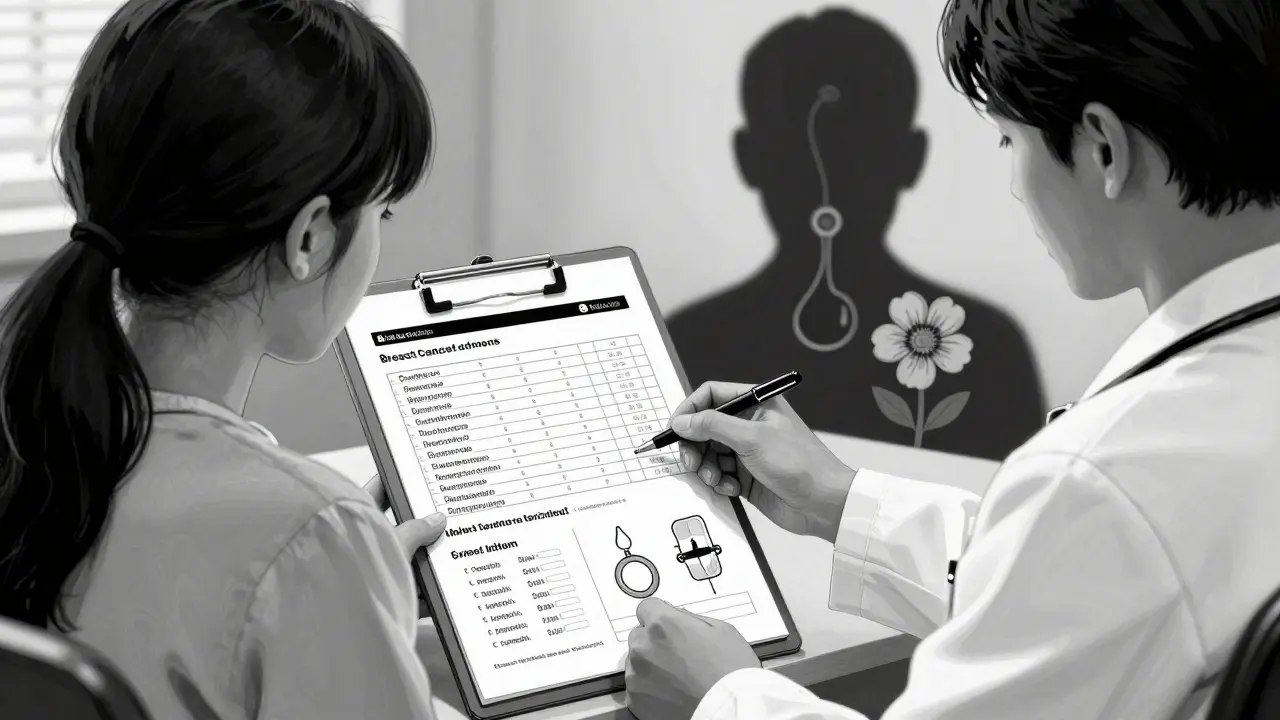
How HRT Is Given-And Why It Matters
Not all delivery methods are equal. Oral pills go through your liver, which can increase clotting factors and inflammation. That’s why oral estrogen carries higher risks for blood clots and stroke.
Transdermal options-patches, gels, sprays-deliver estrogen straight into your bloodstream. No liver overload. That’s why they’re now the first-line choice for most women, especially those with risk factors like obesity, high blood pressure, or a history of clots.
For vaginal symptoms, low-dose vaginal estrogen (rings, tablets, creams) works locally. It doesn’t raise estrogen levels in the rest of your body, so it doesn’t increase breast cancer or clot risk. You can use it for years without needing a progestogen.
Here’s what most doctors start with:
- Transdermal estradiol: 0.025-0.05 mg patch or 0.5-1 mg gel daily
- Oral estradiol: 0.5-1 mg daily (if transdermal isn’t an option)
- For uterus: Micronized progesterone 100-200 mg nightly, 12-14 days per month
Start low. Go slow. You can always adjust.
Monitoring: What You Need to Check and When
HRT isn’t a “set it and forget it” treatment. You need follow-up.
Before starting, your doctor should check:
- Blood pressure
- Breast exam
- Pelvic exam
- Baseline mammogram
- BMI and liver function (if taking oral)
Then, at 3 months: How are you feeling? Any new bleeding? Nausea? Breast tenderness? Most side effects fade by then.
After that, annual checkups:
- Blood pressure
- Weight
- Breast exam
- Discussion of symptoms and concerns
- Mammogram (every 1-2 years, based on personal risk)
Irregular bleeding in the first 6 months? Normal. More than 6 months? That’s a red flag. You need an ultrasound or biopsy to rule out endometrial issues. Don’t ignore it.

Who Should Avoid HRT
HRT isn’t for everyone. You should avoid it if you have:
- History of breast cancer
- History of blood clots (DVT or pulmonary embolism)
- History of stroke or heart attack
- Unexplained vaginal bleeding
- Severe liver disease
If you have a strong family history of breast cancer, talk to your doctor. Genetic testing (like BRCA) might help guide your decision. Some women with BRCA mutations still use HRT safely after risk-reducing surgery-but only under close supervision.
Why So Many Women Quit
One in three women stop HRT within a year. Why? Two main reasons: fear of breast cancer and unexpected bleeding.
Studies show 48% of women quit because they’re scared of cancer-even though the actual increase is tiny. The other 22% stop because of spotting or bleeding. That’s often temporary, but if your doctor doesn’t explain that, you’ll assume the worst.
Women on transdermal HRT are more likely to stick with it. One Cleveland Clinic survey found 68% of patch users were still on it after a year, compared to just 52% of pill users. Fewer side effects. Better tolerance.
If you’re struggling with side effects, don’t give up. Talk to your doctor. Switch from pills to a patch. Change your progesterone schedule. There are options.
The Bottom Line
HRT isn’t dangerous. It’s misunderstood. For women under 60 or within 10 years of menopause, the benefits of relief from hot flashes, better sleep, and stronger bones far outweigh the risks-especially when you use the right type, the right dose, and the right delivery method.
Transdermal estrogen + micronized progesterone is the gold standard. Avoid compounded bioidenticals. Don’t delay treatment out of fear. And never stop without talking to your doctor.
Menopause doesn’t have to be something you suffer through. With the right approach, HRT can help you feel like yourself again-without putting your health at risk.
Praseetha Pn
January 17, 2026 AT 16:46Okay but have you heard about the pharmaceutical companies bribing doctors to push HRT? I know a nurse who said they get free vacations to Bali if they prescribe more patches. And those ‘FDA-approved’ hormones? Totally synthetic-just disguised with fancy labels. They’re pumping estrogen into our water supply too, you know. That’s why bees are dying and men are growing boobs. It’s all connected.
rachel bellet
January 18, 2026 AT 21:07The data presented here is statistically misleading. The 26% relative risk increase for breast cancer with EPT is cherry-picked to obscure the absolute risk magnitude. When contextualized within all-cause mortality, HRT demonstrates a net negative survival benefit in women over 55, particularly when considering the confounding variable of obesity-related inflammation. The transdermal route, while attenuating hepatic first-pass metabolism, still elevates IGF-1 levels-potentially promoting tumorigenesis via PI3K/AKT signaling. This is not medicine; it’s pharmacological gambling with a skewed risk-reward profile.
Selina Warren
January 19, 2026 AT 11:02I was on HRT for 3 years and it literally saved my life. I was crying every day, couldn’t sleep, felt like a ghost in my own body. Then I switched to the patch-boom. I started hiking again. I laughed with my kids. I remembered who I was. Don’t let fear scare you out of your joy. Menopause isn’t a disease-it’s a transition. And you deserve to feel human through it. If your doctor won’t listen, find one who will. You’re not broken. You’re just changing.
Robert Davis
January 20, 2026 AT 14:13I read this whole thing. Honestly? It’s just a long ad for estrogen patches. I don’t trust anything that says ‘start low, go slow’-that’s what they say before they upsell you. Also, why is everyone ignoring the fact that soy and black cohosh work just as well? I’ve been taking red clover for 8 months. No bleeding. No clots. Just chill. Why do we need Big Pharma’s solution when nature already gave us options?
Jake Moore
January 21, 2026 AT 23:19Great breakdown. I’m a nurse practitioner and I see this every day. Women panic because they read headlines from 2002. The truth? If you’re under 60 and in early menopause, HRT is one of the safest, most effective tools we have. Transdermal estrogen + micronized progesterone? Gold standard. Compounded bioidenticals? Avoid like the plague. And yes-vaginal estrogen is totally separate from systemic risk. I wish more doctors would explain this clearly. So many women suffer needlessly because they’re scared of myths.
Joni O
January 22, 2026 AT 06:29thank you for this!! i’ve been on the patch for 11 months and honestly? life changed. i used to think i was just ‘getting old’ but no-it was my hormones. i had no idea vaginal estrogen was safe long-term. i’ve been using the cream and it’s been a game changer for intimacy. my dr didn’t even mention it at first. if you’re scared of bleeding-don’t quit. talk to someone who gets it. you’re not alone. 💛
Max Sinclair
January 23, 2026 AT 21:26Thanks for laying this out so clearly. I’ve seen too many women quit HRT because they were scared or misinformed. The fear around breast cancer is understandable, but the numbers don’t support panic. A 0.08% increase per year? That’s less risk than driving to work. And if you’re on a patch? Even less. I hope this helps people make informed choices-not fear-based ones. HRT isn’t perfect, but it’s not the monster the media made it out to be.
Nishant Sonuley
January 24, 2026 AT 14:44Let me tell you something about India’s take on this-most women here never even hear about HRT. They’re told to ‘drink turmeric milk’ and ‘pray harder.’ My aunt had a hysterectomy at 52 and was told menopause is ‘God’s will.’ She suffered for 7 years with hot flashes so bad she slept in the fridge. Meanwhile, in the US, women are debating whether to use a patch or a gel. We need to stop romanticizing suffering. Science isn’t Western imperialism-it’s relief. If you can access this info, use it. Don’t let cultural stigma cost you your quality of life.
Emma #########
January 25, 2026 AT 14:35This made me cry. Not because I’m scared-but because I finally feel seen. I stopped HRT after 6 months because I thought the spotting meant cancer. Turns out it was just my body adjusting. My doctor didn’t explain that. I wish I’d found this post sooner. To anyone out there feeling alone: you’re not. We’re all figuring this out together.
Andrew McLarren
January 27, 2026 AT 09:35While the empirical data presented herein is largely consistent with contemporary clinical guidelines, one must exercise due diligence in the interpretation of risk-benefit ratios. The temporal relationship between initiation of hormone therapy and cardiovascular outcomes remains subject to the ‘timing hypothesis,’ which, while compelling, has yet to be definitively validated in longitudinal cohorts beyond the WHI. Furthermore, the classification of ‘bioidentical’ as a therapeutic descriptor is scientifically untenable, as all estradiol molecules are chemically identical regardless of source. Regulatory oversight remains paramount.
Andrew Short
January 28, 2026 AT 18:36They’re lying to you. The WHI study was buried. The real data shows HRT increases dementia risk by 40%. They don’t tell you that because Big Pharma owns the journals. And those ‘low-dose’ patches? They’re just slow-release poison. I’ve seen women turn into zombies on this stuff. Your bones might be strong-but your brain is rotting. Don’t be a lab rat.
christian Espinola
January 29, 2026 AT 10:56So let me get this straight-you’re recommending estrogen patches because they’re ‘safer’? But they’re still estrogen. Estrogen is estrogen. Whether it’s in a gel or a pill, it’s still a hormone that your body didn’t ask for. And you call this ‘medicine’? This is chemical control disguised as empowerment. What happened to letting the body find its own balance? We’ve been trained to fear our own biology. That’s not healing. That’s surrender.
Chuck Dickson
January 30, 2026 AT 18:09Man, I wish I had this when my mom was going through menopause. She refused HRT because she thought it’d turn her into a ‘hormone monster.’ Took her 5 years to try the patch-and she’s been biking to work every day since. If you’re scared, start small. Talk to someone who’s been there. You don’t have to do this alone. And hey-if you’re still reading this? You’re already doing better than most. Keep going.