
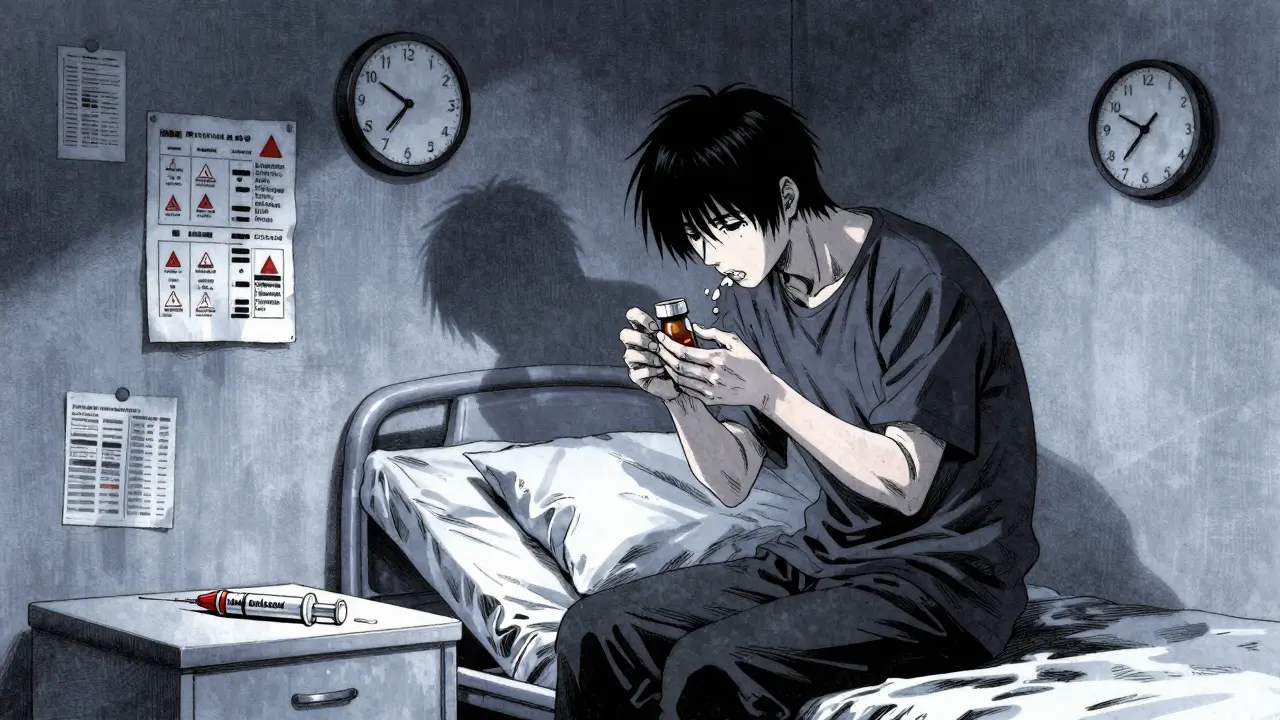
When you stop taking a medication-whether it’s for a few days or several months-and then start again at your old dose, your body can’t handle it like it used to. That’s not weakness. It’s biology. Your tolerance drops fast. And if you take the same amount you did before, you could end up in the hospital-or worse. This isn’t rare. It happens all the time, especially with opioids, benzodiazepines, and some antidepressants. People think, "I was fine before, I’ll be fine now," but their body has changed. And that’s where the danger lies.
Why Your Body Can’t Handle the Same Dose Anymore
Your body adapts to medication over time. With opioids like oxycodone or methadone, your brain adjusts so you need more to feel the same effect. That’s tolerance. But when you stop, your body forgets. Within days, your tolerance plummets. The Medicines Learning Portal says that after just a few days off, you might need to start over like you’re a new patient. For methadone, tolerance can vanish in 3 to 5 days. That means a dose that once felt normal could now stop your breathing. This isn’t just about opioids. Benzodiazepines like diazepam or alprazolam work the same way. So do some antidepressants, especially if you’re switching from an MAOI. The risk isn’t just about feeling too sleepy-it’s about your lungs slowing down until they stop. That’s overdose. And it doesn’t care if you’ve been clean for a month, a year, or even decades. Philip Seymour Hoffman’s death after 23 years without opioids is a tragic example. He took what he used to take. His body couldn’t handle it anymore.What Medications Carry the Highest Risk
Not all medications are equal when it comes to restart risk. Some are far more dangerous if you jump back in at your old dose.- Opioids (oxycodone, hydrocodone, fentanyl, methadone): These are the biggest killers. Respiratory depression is the main danger. Even a small amount can be fatal after a break.
- Benzodiazepines (alprazolam, clonazepam, lorazepam): These slow your central nervous system. Restarting too quickly can cause extreme drowsiness, confusion, or breathing problems.
- MAOIs (phenelzine, tranylcypromine): These require a 14-day washout before switching to SSRIs or SNRIs. Restarting too soon can trigger serotonin syndrome-a life-threatening surge in brain chemicals.
- Antidepressants like paroxetine or venlafaxine: While not usually fatal, restarting too fast can cause dizziness, nausea, or even seizures in rare cases.
And here’s the worst part: mixing these with alcohol, sleep aids, or even over-the-counter cold medicines can turn a risky restart into a deadly one. Washington State’s overdose guidelines call this combination a "perfect storm." You don’t need to take a lot. Just your old dose, plus a glass of wine, and your body can shut down.
The Only Safe Way: Start Low, Go Slow
There’s one rule that saves lives: start low, go slow. This isn’t advice. It’s a medical standard. The Calgary Clinical Pharmacology service and Washington State Department of Health both say the same thing: begin at 25% to 50% of your previous dose. For example, if you were taking 40mg of methadone daily, start with 10mg. If you were on 10mg of oxycodone, start with 2.5mg. That’s not enough to feel high. It’s just enough to see how your body reacts. Then wait. Don’t increase the dose for at least 24 to 48 hours. Watch for signs your body isn’t handling it:- Slowed breathing (less than 12 breaths per minute)
- Pinpoint pupils (a classic sign of opioid overdose)
- Extreme drowsiness-you can’t stay awake
- Confusion or slurred speech
If you see any of these, stop. Call for help. Don’t wait. Naloxone (Narcan) can reverse an opioid overdose, but it only works if you have it and know how to use it. Keep it with you. Tell someone you trust where it is. The Washington State guidelines say this isn’t optional-it’s essential.
When You Need Medical Supervision
Some restarts are too risky to do alone. You should never restart opioids, benzodiazepines, or MAOIs without medical oversight. This is especially true if you’ve been:- In jail or prison
- In a rehab facility
- Discharged from the hospital
- Off the medication for more than a week
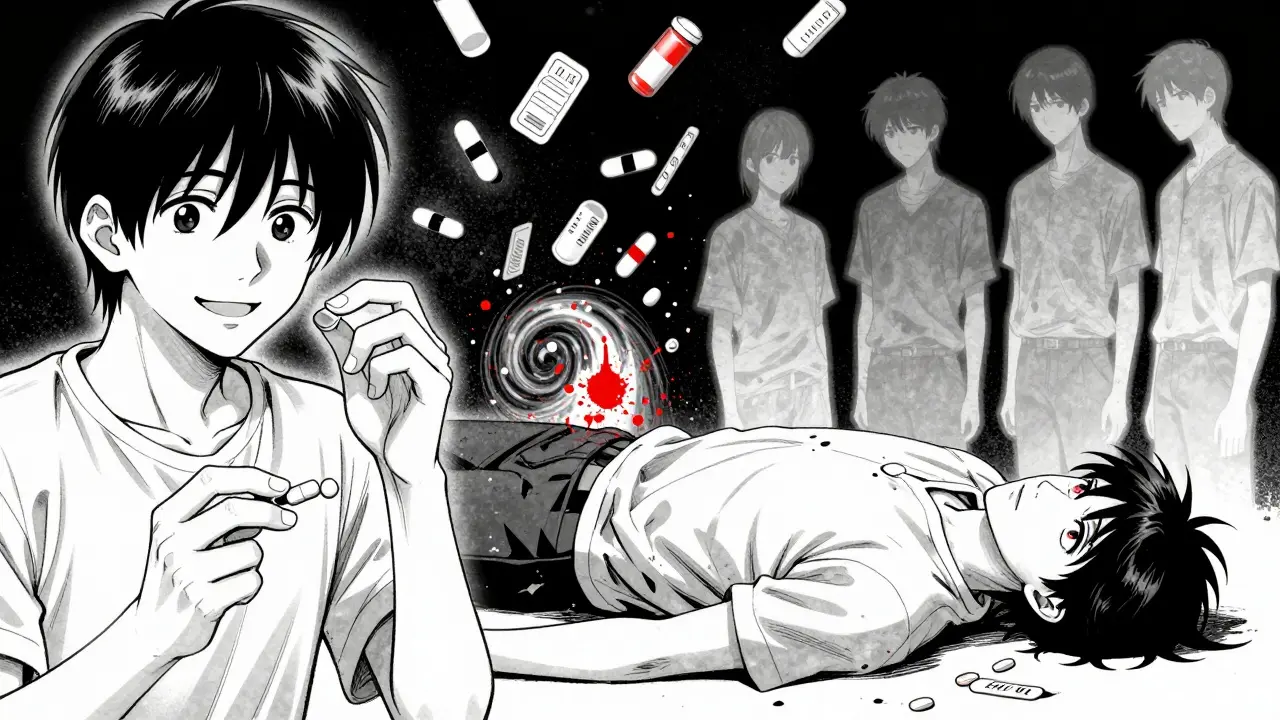
Washington State data shows 62% of fatal opioid overdoses happen within 72 hours of leaving these settings. That’s not a coincidence. Your body is vulnerable. Your tolerance is gone. And no one should go through this alone.
Medically supervised restart programs have an 87% success rate, according to Evoke Wellness. Unsupervised attempts? Only 42%. That’s not a gamble you want to take. If you’re restarting after a break, ask your doctor about a monitored restart. Many hospitals now have formal protocols for this. The Joint Commission’s 2018 alert pushed 78% of U.S. hospitals to adopt them. You’re not being paranoid-you’re being smart.
What to Do Before You Restart
Before you take that first pill again, do these five things:- Ask your doctor if you still need the medication. Maybe your condition has changed. Maybe you don’t need it anymore.
- Check for drug interactions. Are you taking anything else? Even ibuprofen or melatonin can interact badly with some meds.
- Know your last dose and how long you’ve been off. Write it down. Don’t rely on memory.
- Get naloxone. It’s available over the counter in most places now. Keep it in your wallet, your car, your kitchen drawer. Make sure someone else knows where it is.
- Don’t do it alone. Have someone stay with you for the first 24 hours. Someone who can call 999 if you stop breathing.
There’s no shame in needing help. The people who survive these restarts aren’t the ones who toughed it out. They’re the ones who asked for support.
What the Experts Are Doing Now
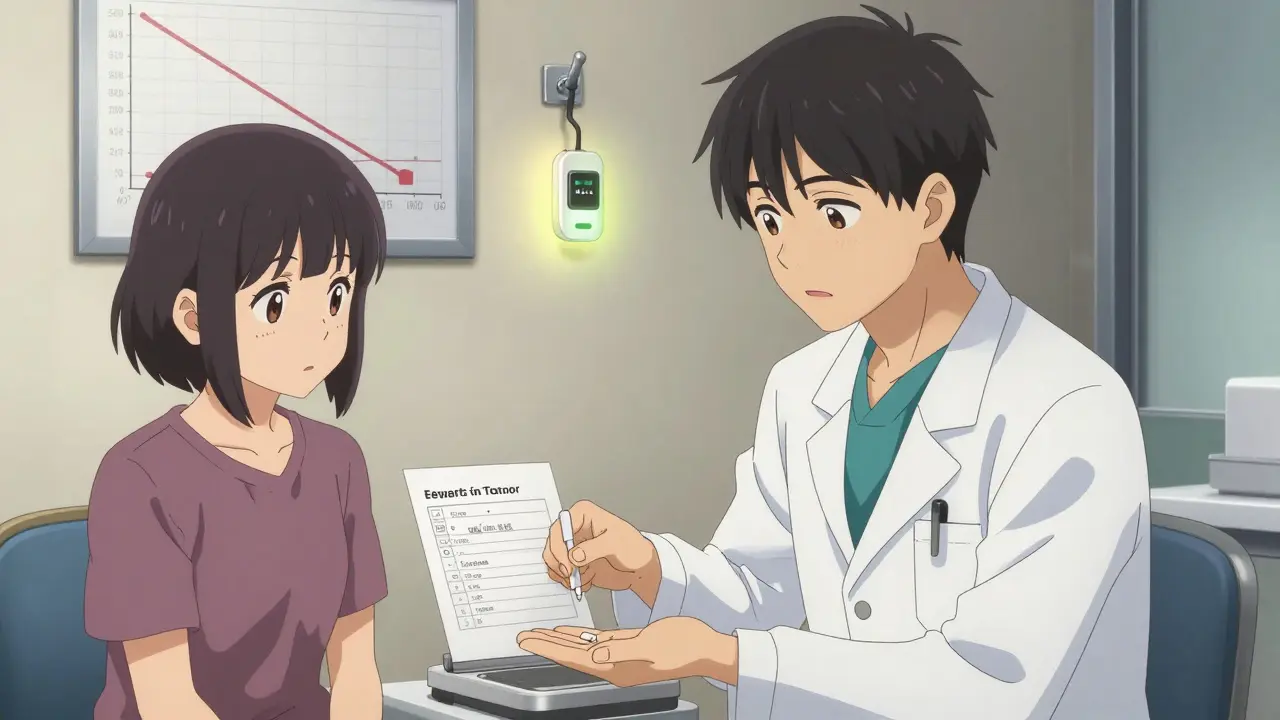
This isn’t just common sense-it’s becoming standard practice. In February 2024, the American Society of Addiction Medicine released new guidelines with a 10-point scoring system to calculate safe restart doses based on how long you were off, your old dose, and your health history. Johns Hopkins research found that giving extended-release naltrexone before restarting opioids cuts overdose risk by 73% in the first 30 days. That’s huge. And the tech is catching up. OpiSafe Technologies is testing wearable monitors that detect dangerous breathing patterns and auto-administer naloxone. They’re in Phase 3 trials. In the future, your phone might alert you if your breathing slows after a restart. But right now, the best tool you have is awareness.Real Stories, Real Risks
On Reddit’s r/opiates, users share stories like this: "Took my usual 15mg after a week off. Passed out. Woke up in the ER. Didn’t know I’d lost tolerance." Another wrote: "I thought I could handle it. I was wrong. My dad had to give me Narcan. I almost died." These aren’t outliers. They’re the norm. And they’re preventable.The CDC’s 2024 Overdose Prevention Plan lists standardized restart protocols as one of its top three priorities. The U.S. government is spending $48.7 million just to get these rules into prisons and treatment centers-places where people are most at risk after release.
You’re not alone in this. But you’re responsible for your own safety. If you’re restarting a medication after a break, don’t guess. Don’t hope. Don’t assume. Ask for help. Start low. Go slow. And keep naloxone close.
Can I restart my medication on my own after a short break?
It’s risky-even after just a few days off. Your body loses tolerance quickly, especially with opioids, benzodiazepines, and MAOIs. Starting at your old dose can cause overdose. Always talk to your doctor first. If you must restart alone, begin at 25-50% of your previous dose and wait at least 24 hours before increasing.
How long does it take to lose tolerance to opioids?
Tolerance can drop significantly in as little as 3 to 5 days for short-acting opioids like heroin or oxycodone. For methadone, it takes about 7 to 10 days. But even after just one week off, your body may no longer be able to handle your previous dose. Never assume your tolerance is the same.
Is naloxone really necessary if I’m not using street drugs?
Yes. Naloxone isn’t just for people using illegal drugs. It’s for anyone restarting prescription opioids, benzodiazepines, or other CNS depressants after a break. Overdose can happen with your own medication if you take too much after tolerance drops. Keep it on hand. Teach someone how to use it. It’s a lifesaver.
Can I restart antidepressants after stopping them for a few weeks?
It depends. For SSRIs like sertraline or fluoxetine, restarting at your old dose is usually safe after a few weeks. But if you were on an MAOI, you must wait at least 14 days before starting any other antidepressant. Mixing them can cause serotonin syndrome-a medical emergency. Always check with your doctor before restarting any psychiatric medication.
What if I accidentally took my old dose after a break?
Call 999 immediately. Don’t wait for symptoms. Signs of overdose include slow or shallow breathing, extreme drowsiness, cold/clammy skin, and unresponsiveness. If you have naloxone and it’s an opioid, use it right away. Then call for help. Even if you feel okay, you need medical evaluation-some effects can be delayed.
Are there any new tools to help prevent overdose during restart?
Yes. Extended-release naltrexone, given before restarting opioids, reduces overdose risk by 73% in the first 30 days, according to Johns Hopkins research. Wearable monitors that detect breathing problems and auto-deliver naloxone are in clinical trials. These tools are promising, but right now, the best protection is starting low, going slow, and having naloxone available.
What to Do Next
If you’re planning to restart a medication after a break:- Make an appointment with your prescriber before you take the first pill.
- Ask for a written restart plan-dose, timing, warning signs.
- Get naloxone. Use it. Keep it accessible.
- Tell someone you trust what you’re doing. Ask them to check on you.
- Don’t mix with alcohol, sleep aids, or other sedatives.
Overdose doesn’t happen because you’re careless. It happens because the rules changed-and no one told you. You deserve to be safe. You deserve to be informed. Start low. Go slow. And never do it alone.

Cassie Widders
January 13, 2026 AT 11:22Been there. Took my usual 10mg oxycodone after a month off. Woke up on the floor with my roommate screaming for help. Naloxone saved me. Never again assume your body remembers.
Lelia Battle
January 14, 2026 AT 23:58The body doesn’t hold grudges-it holds adaptations. When we stop exposing it to a substance, it resets its equilibrium. That’s not weakness. It’s homeostasis. The tragedy isn’t the loss of tolerance-it’s the cultural denial that biology doesn’t care about our past confidence.
Rinky Tandon
January 15, 2026 AT 14:44Let me break this down for the laypeople who think they’re ‘immune’ because they ‘used to be strong.’ Tolerance isn’t muscle memory-it’s receptor downregulation. Opioid receptors don’t ‘remember’-they prune. Benzodiazepines? GABA-A subunit switching. MAOIs? Monoamine flux chaos. You think you’re smart? Your CNS is running a silent, lethal algorithm. And you’re the bug.
Jose Mecanico
January 16, 2026 AT 21:02My cousin restarted her clonazepam after 3 weeks off at her old dose. Ended up in ICU with respiratory depression. They had to intubate her. She’s fine now but says she’ll never skip the doctor’s restart plan again. Just… start low. Seriously.
Alex Fortwengler
January 17, 2026 AT 21:54They’re lying about the 25% rule. The real reason they want you to start low is so you stay dependent. Pharma doesn’t want you to be strong again. They want you on the drip forever. Naloxone? Just a PR stunt to make them look good while they keep selling the poison.
steve ker
January 19, 2026 AT 18:48George Bridges
January 21, 2026 AT 16:17I work in ER. Saw three overdose cases last week-all restarts. One guy was a veteran. Hadn’t touched opioids since Iraq. Took his old dose after a back flare-up. Didn’t make it home. This isn’t hypothetical. It’s happening in quiet homes, not just alleyways.
Faith Wright
January 21, 2026 AT 20:41Oh wow, so we’re supposed to trust doctors now? Funny how the same people who told you to take it in the first place are now the ones telling you to take less. Meanwhile, your insurance won’t cover the supervised restart. But hey, at least they’ve got a fancy pamphlet.
Audu ikhlas
January 23, 2026 AT 19:22Sonal Guha
January 25, 2026 AT 01:41Christina Widodo
January 25, 2026 AT 09:27Can someone explain how extended-release naltrexone works before restarting? I read it blocks receptors but does that mean you can’t feel the medication at all? Or does it just prevent overdose? Asking because my doctor mentioned it but I don’t get how it’s different from just starting low.
Craig Wright
January 25, 2026 AT 22:50As a British medic, I’ve seen this too often. The NHS has protocols now for discharge restarts-especially after prison. But people still skip them. They think, ‘I’ve been through worse.’ No, you haven’t. Your body doesn’t know you’ve been through worse. It only knows what’s in front of it. Start low. Go slow. Or don’t. But don’t pretend you’re being brave. You’re just being stupid.