

Imagine pulling a box of medication off the shelf. The expiration date is faded, or maybe you’re just unsure if that string of characters on the side is the batch code or something else. You need to clear your inventory, but one wrong move could mean disposing of perfectly good medicine-or worse, keeping something unsafe. This is the daily reality for many pharmacists and healthcare workers. Getting it right isn't just about tidiness; it’s about patient safety and avoiding massive financial waste.
The process of clearing expired medications involves more than just looking at a calendar date. It requires understanding lot numbers, which are unique identifiers assigned by manufacturers to track specific batches of drugs throughout the supply chain. These codes are critical for tracing products during recalls. If you don’t know how to read them and cross-reference them with official databases, you risk leaving dangerous products in circulation or throwing away money unnecessarily. Here is exactly how to navigate this complex system safely and efficiently.
Understanding Lot Numbers vs. Expiration Dates
First, let’s clear up a common myth: you cannot reliably calculate an expiration date from a lot number alone. While some people try to decode these strings, the formats vary wildly between manufacturers. For instance, Pfizer might use a format like '230515A' (indicating May 15, 2023, production line A), while Merck uses alphanumeric sequences like 'MK22B047'. There is no universal standard that tells you the expiry just by looking at the batch code.
Expiration dates are the final deadline by which a manufacturer guarantees the full potency and safety of a drug, typically printed as EXP followed by month/year. According to FDA regulations (21 CFR § 211.137), these must appear as calendar dates on primary packaging. The lot number serves a different purpose: it identifies the specific manufacturing run. If a safety issue arises, the FDA will recall specific lot numbers, not necessarily every bottle of that drug ever made. Therefore, when clearing inventory, you must treat the printed EXP date as the legal truth for disposal timing, and the lot number as the key for recall verification.
Step-by-Step Guide to Clearing Expired Stock
To ensure you are compliant and safe, follow this structured approach derived from American Society of Health-System Pharmacists (ASHP) guidelines:
- Visual Inspection: Start by isolating products where the visible EXP date is within 60 days of today. Do not rely on memory or assumed shelf lives. Look for the explicit "EXP" label on both the primary container and the secondary carton.
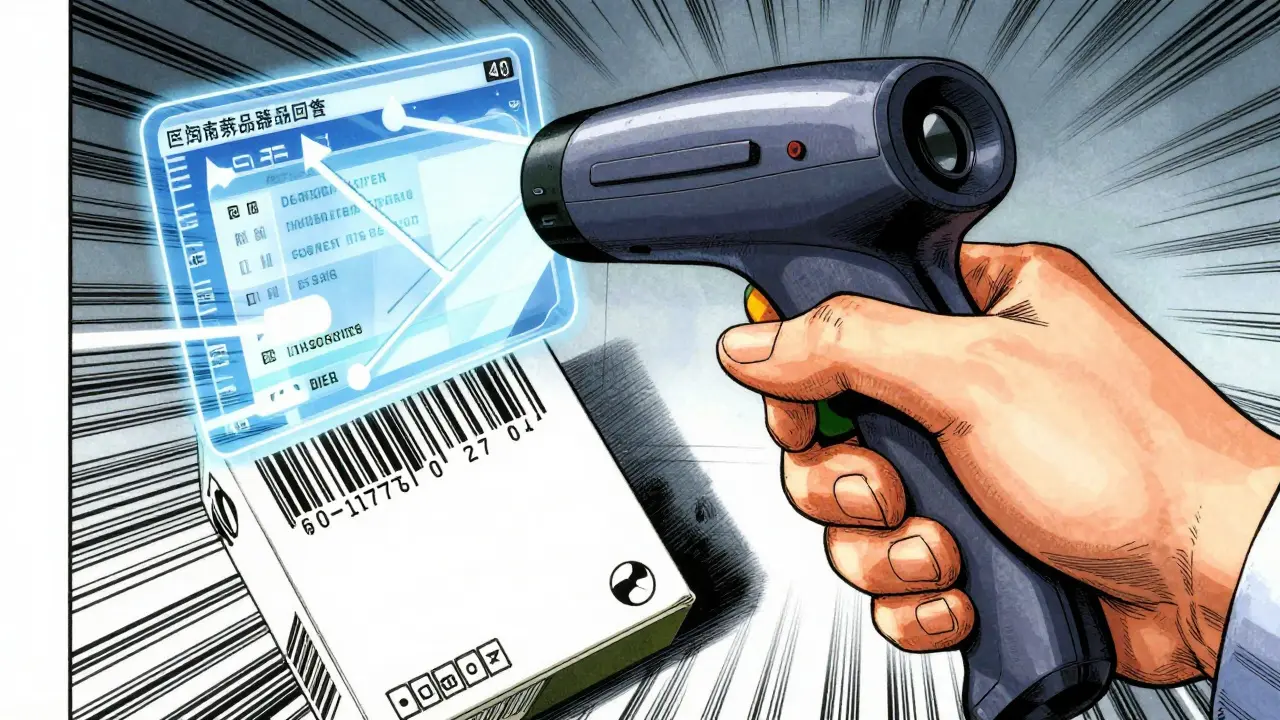
- Scan and Record: Thirty days before the expiration date, scan the lot numbers into your electronic inventory system. Automated systems reduce human error rates significantly compared to manual entry.
- Check for Recalls: Before physically removing the item, check the FDA’s Recalls, Market Withdrawals & Safety Alerts database, which is a publicly accessible online resource provided by the FDA to list all current product recalls and safety notices. Enter the specific lot number. If there is an active recall, follow the strict return-to-vendor or destruction protocols specified in the alert.
- Verify Manufacturer Status: Confirm there are no other lot-specific notifications from the manufacturer. Sometimes issues arise that haven’t hit the public database yet.
- Document Everything: Take timestamped photos of the labels showing the lot number and expiration date. This documentation is crucial for audits and insurance purposes.
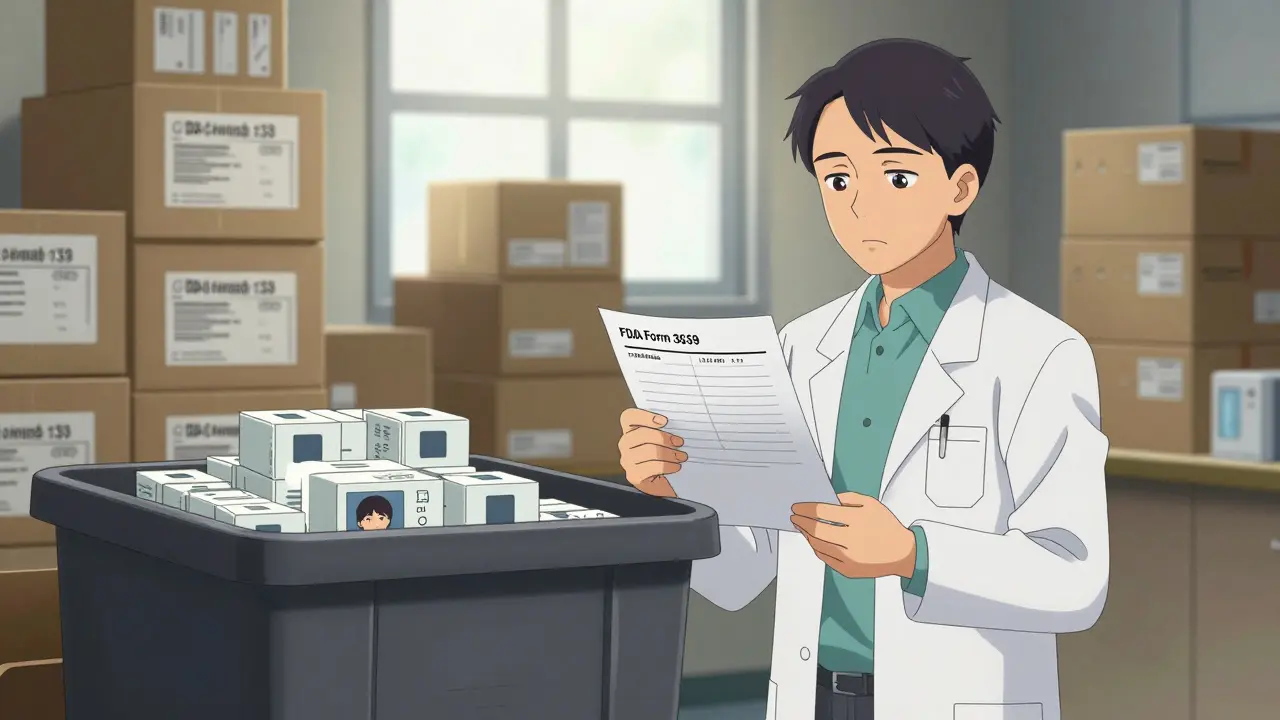
- Dispose Correctly: For controlled substances, complete FDA Form 3639, which is a required document for the proper disposal of controlled substances to prevent diversion and environmental harm. Maintain these records for at least two years per DEA requirements.
Using Technology to Reduce Errors
Human error is the biggest risk in this process. Studies show that 74% of medication errors during inventory clearance stem from misinterpreted lot numbers. To combat this, many facilities are turning to technology. Barcode scanners and AI-enhanced tools can read damaged or faded labels with high accuracy.
For example, new AI scanner tools approved by the FDA in 2024 use computer vision to recognize EXP dates even from suboptimal images. If you work in a facility without advanced automation, ensure you have adequate lighting-at least 500 lux intensity-to read labels clearly. Simple steps like using a magnifying glass or a high-resolution camera on your phone can help verify difficult-to-read codes before you make a decision.
| Feature | Manual Process | Automated System (ERP/AI) |
|---|---|---|
| Error Rate | 12.7% | 0.3% |
| Time per Cycle | ~3 hours | ~22 minutes |
| Recall Cross-Reference | Manual lookup (slow) | Real-time database sync |
| Cost Efficiency | High waste due to errors | Reduced waste, higher initial cost |
Common Pitfalls to Avoid
One major trap is confusing international date formats. About 38% of international pharmaceuticals use “day/month/year” notation, which can cause confusion in US facilities accustomed to “month/year.” Always check the country of origin and the label context. Another pitfall is premature disposal. In 2023, there were documented cases where European “MFG + 36 months” notation was misread as an expiration date, leading to the unnecessary disposal of millions of dollars worth of viable medication. Never assume a date based on manufacturing info alone.
Also, beware of counterfeit medications. The FDA has reported a 217% increase in counterfeit drugs since 2020. If a lot number looks suspicious or doesn’t match the manufacturer’s known format, do not dispose of it casually. Report it to the authorities. Verification against official recall databases is your best defense here.
Why This Matters for Your Practice
Clearing expired meds isn't just a chore; it's a compliance requirement. With the Drug Supply Chain Security Act mandating full electronic lot tracking by late 2025, staying updated is non-negotiable. Independent pharmacies, in particular, lag behind chains in implementation, creating gaps where expired meds might slip through. By mastering lot number checks and recall verifications, you protect your patients, your license, and your bottom line. The goal is zero errors. With the right protocol and attention to detail, you can achieve it.
Can I determine the expiration date from the lot number?
No, you cannot reliably determine the expiration date from the lot number alone. Lot numbers identify the manufacturing batch, but formats vary by manufacturer and do not universally encode expiry dates. Always rely on the printed "EXP" date on the packaging.
Where can I check for drug recalls?
You should check the FDA’s Recalls, Market Withdrawals & Safety Alerts database. Enter the specific lot number to see if there are any active recalls or safety alerts associated with that batch.
What is FDA Form 3639 used for?
FDA Form 3639 is required for the proper disposal of controlled substances. It documents the destruction of these drugs to prevent diversion and ensures compliance with DEA regulations.
How long should I keep records of disposed medications?
You must maintain records of cleared and disposed medications for a minimum of two years, as per DEA requirements. This includes timestamps, lot numbers, and photos of the labels.
What should I do if a label is damaged or unreadable?
If a label is damaged, do not guess. Use high-quality imaging tools or AI scanners if available. If the lot number or expiration date remains unclear, contact the manufacturer directly or treat the item as potentially compromised and dispose of it according to safety protocols after documenting the condition.