
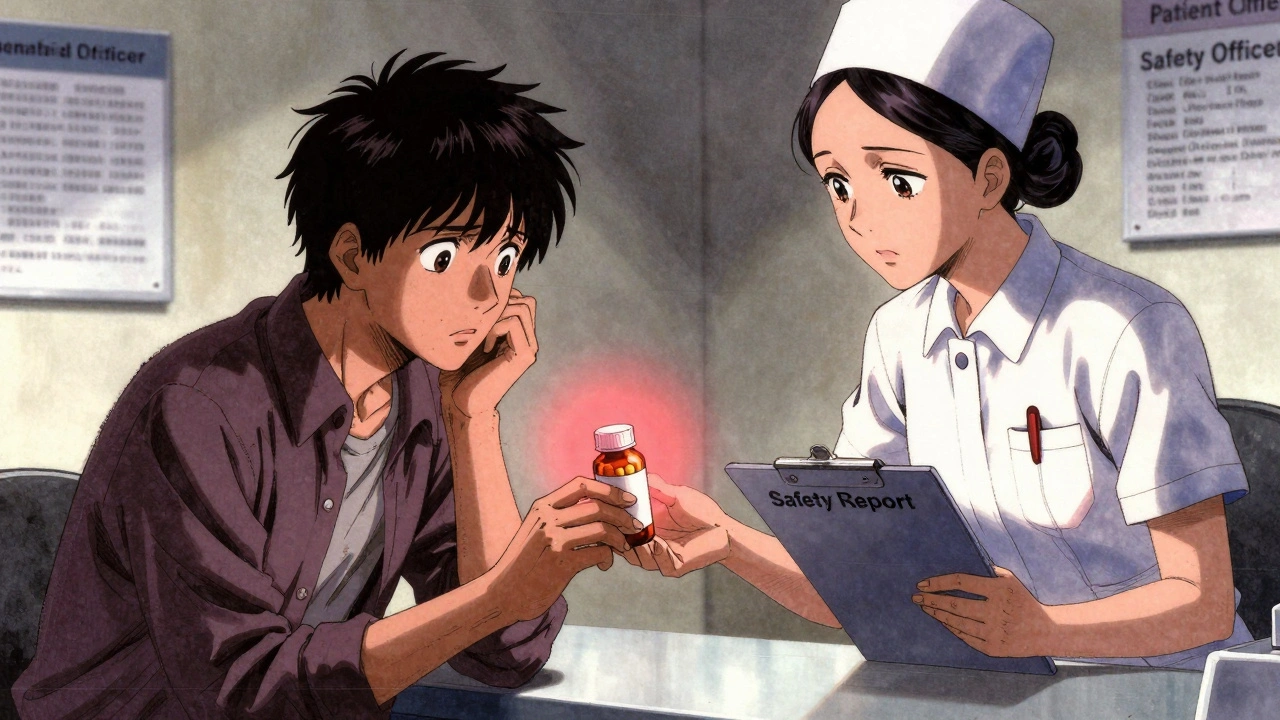
When you notice something off with your medication-maybe the pill looks different, the dose feels wrong, or you were given the wrong prescription-it’s not just a minor worry. It’s a medication safety issue that needs to be acted on, right away. Most people think they need to call the FDA or file a formal complaint, but the fastest, most effective way to stop a mistake before it hurts someone is to report it directly to your clinic. Your clinic has systems in place for exactly this reason. And you don’t need to be a doctor or pharmacist to use them.
Why Reporting to Your Clinic Matters More Than You Think
Every year, thousands of medication errors are caught and fixed before they reach patients-not by government agencies, but by clinics themselves. According to the Institute for Safe Medication Practices, 87% of preventable medication errors are first spotted by frontline staff or patients who report them internally. That means your voice is part of the first line of defense.
Clinics aren’t just collecting reports for paperwork. They’re using them to fix broken processes. Maybe the pharmacist confused two similar-looking pills. Maybe the nurse was interrupted while preparing your dose. Maybe the electronic system didn’t flag a dangerous interaction. When you report it, the clinic can change how labels are printed, add double-check steps, or update training. One clinic in Ohio reduced medication errors by 33% in just 18 months after improving their reporting system.
Unlike reporting to the FDA (which is for national trends), clinic reporting is about fixing what’s broken right now-where you are. And because it’s confidential, you won’t get in trouble. The law protects you. The Patient Safety and Quality Improvement Act of 2005 makes it illegal for clinics to punish staff or patients for reporting safety concerns.
What Counts as a Medication Safety Concern?
You don’t need to be sure it’s a mistake. If something feels off, it’s worth reporting. Here’s what counts:
- You were given a different pill than what’s on the prescription label
- The dose is higher or lower than your doctor ordered
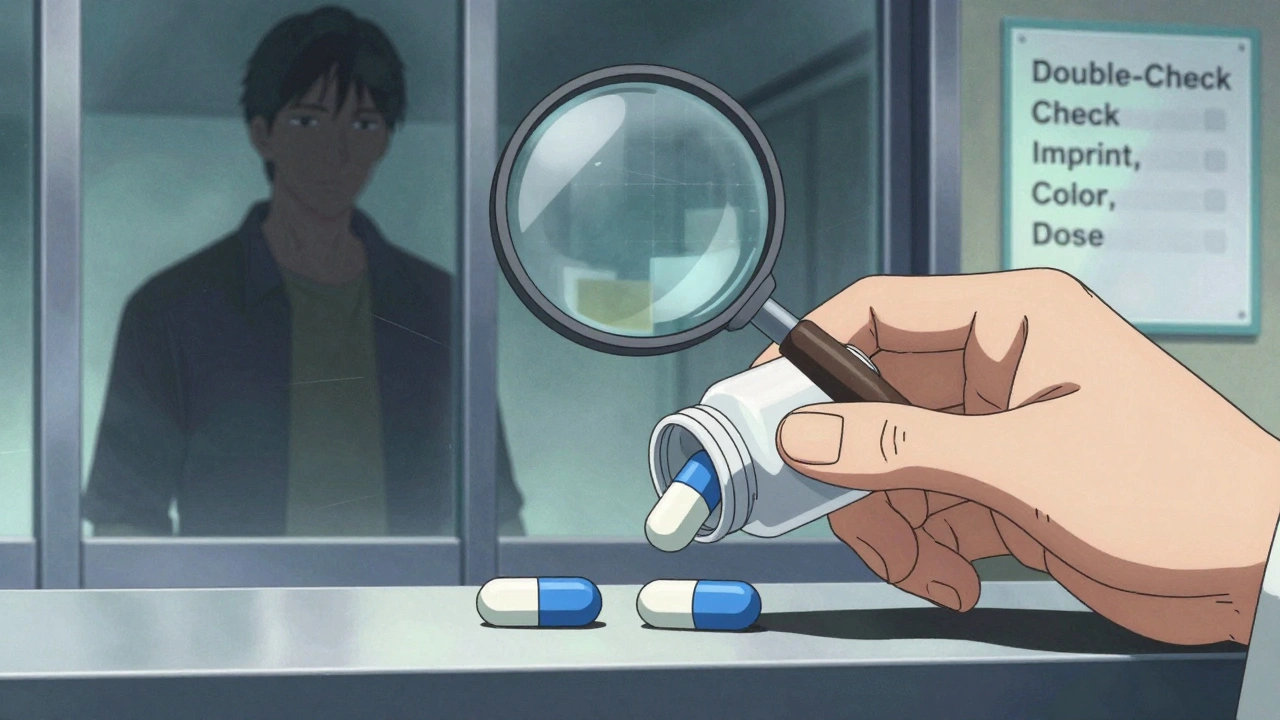
- The pill looks different from your last refill-color, shape, imprint
- You were told to take it at a different time than usual
- You experienced unexpected side effects after a new prescription
- You received someone else’s medication by mistake
- The pharmacy label has a typo-wrong name, wrong dosage, wrong instructions
- You were given a medication you’re allergic to
Even if nothing bad happened yet, reporting a near-miss can prevent a future disaster. A patient once noticed their blood pressure pill looked different. They reported it. Turns out, the pharmacy had swapped out the correct 5mg tablet for a 10mg one-same shape, same color. That’s the kind of error that could cause a stroke. Because someone spoke up, it was caught before it hurt anyone.
How to Report: Step-by-Step
Reporting isn’t complicated. Here’s how to do it right:
- Act immediately. Don’t wait. The sooner you report, the faster the clinic can investigate and fix the issue. Most clinics say same-day reporting gives them the clearest picture of what happened.
- Write down the details. Gather what you know: medication name, prescribed dose, actual dose received, when you took it, what you noticed (e.g., “pill was blue, not white”), any symptoms you had. If you still have the packaging or bottle, take a photo.
- Go to the front desk or nursing station. Ask to speak with someone about a medication safety concern. You don’t need an appointment. Most clinics have staff trained to handle these reports.
- Ask for the Patient Safety Officer. Every accredited clinic has one. They’re the person responsible for reviewing safety reports. If the front desk doesn’t know who that is, ask to speak with the clinic manager. They’ll connect you.
- Fill out the form. Most clinics use an electronic system built into their patient portal or EHR. You’ll be asked for your name, medical record number, date of birth, medication details, and what happened. Keep it clear and factual.
- Ask for confirmation. After you report, ask: “Will I get a follow-up?” Clinics are required to acknowledge your report within 24 hours. Many send a confirmation email or call within 2 hours.
Some clinics let you report online through their patient portal. Look for tabs labeled “Report a Safety Concern,” “Medication Error,” or “Feedback.” If you’re unsure, call and ask. It takes 5 to 15 minutes total.
What Happens After You Report?
Once you submit your report, it doesn’t disappear into a black hole. Here’s what usually happens:
- Within 2 hours: You get an automated confirmation (email, text, or portal notification).
- Within 24 hours: A safety officer reviews your report and assigns it for analysis.
- Within 72 hours: You should receive a follow-up-usually by phone or email-explaining what they found and what they’re changing.
For example, a patient reported that their insulin pen looked different. The clinic reviewed the batch and discovered a packaging error: the wrong pen was shipped. They recalled the batch, contacted every patient who received it, and added a new visual check step for all insulin refills. That’s the power of reporting.
Some clinics even send a short survey: “Did our response help you feel safer?” If you get no follow-up after 72 hours, call back. Don’t assume it was ignored. Sometimes it’s a miscommunication.
What If Your Clinic Doesn’t Take You Seriously?
Not every clinic handles reports well. A 2023 survey found that 38% of patients felt dismissed when they raised concerns. If you’re brushed off, here’s what to do:
- Ask to speak with the clinic manager or medical director. They’re responsible for patient safety.
- Say clearly: “I’m reporting a medication safety concern under the Patient Safety and Quality Improvement Act. I expect a response within 72 hours.”
- If they still won’t act, file a report with your state’s medical board. In California, Texas, and many other states, clinics are legally required to log all medication errors.
- As a last resort, report to the FDA’s MedWatch program-but only after trying your clinic first. Their system is for national trends, not local fixes.
Remember: you’re not causing trouble. You’re helping them get better.
What Makes a Clinic Good at Safety Reporting?
Not all clinics are equal. The best ones share three things:
- Leadership that listens. Doctors and managers regularly walk the floor and ask staff, “What’s unsafe right now?”
- No blame culture. Staff aren’t punished for reporting mistakes. In fact, clinics with this culture get 4.7 times more reports-and fix more problems.
- Clear follow-up. Patients get told what changed because of their report. That builds trust.
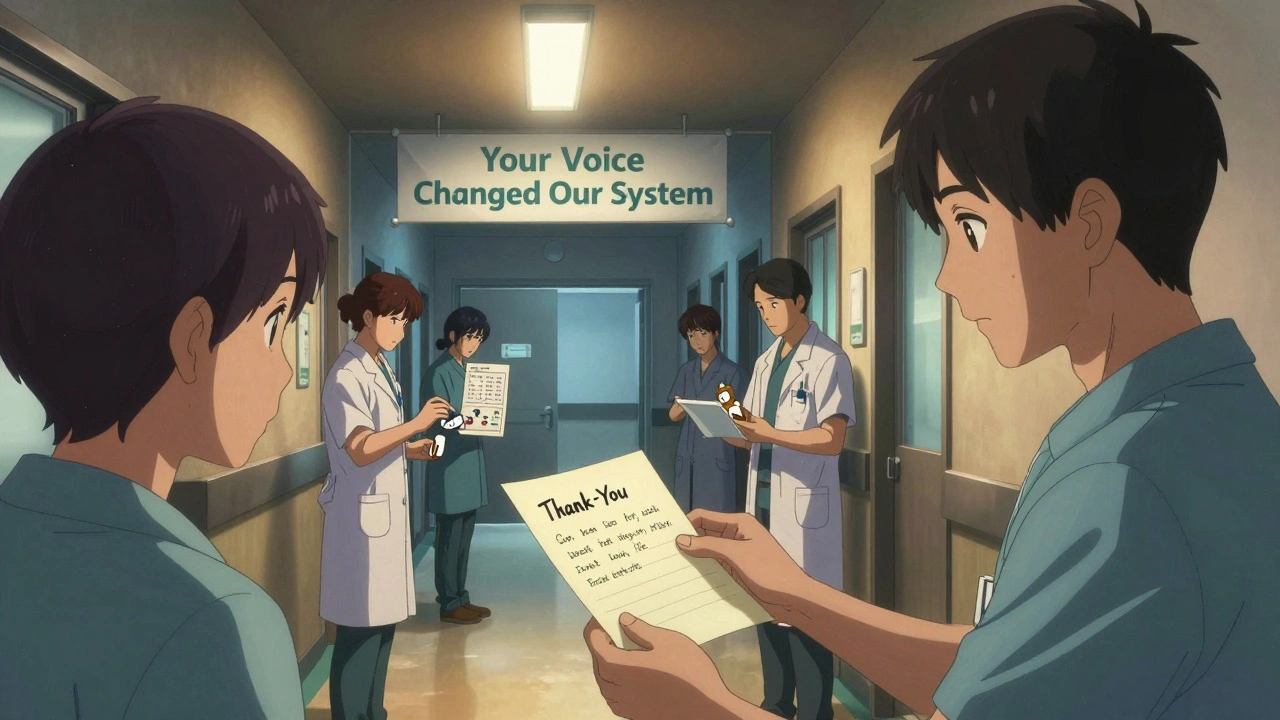
Mayo Clinic’s “Speak Up” program increased patient reports by 210% in three years because they made it easy, safe, and personal. They even sent thank-you notes to patients who reported errors. That’s not just policy-it’s culture.
What You Can Do Today
You don’t have to wait for a crisis. Here’s how to be proactive:
- Keep your medication list updated and share it at every visit.
- Check your prescriptions when you pick them up. Compare the label to your doctor’s instructions.
- Ask: “Is this the same as my last refill?” If it looks different, say so.
- Know your clinic’s safety reporting process. Ask at your next visit: “How do I report a medication concern?”
- Encourage others to speak up. If a friend or family member had a bad experience, tell them: “Report it. It might save someone else.”
Medication safety isn’t just about doctors and pharmacists. It’s about everyone who takes medicine. You’re not just a patient. You’re a safety partner.
Can I report a medication safety concern anonymously?
Yes, most clinic reporting systems allow anonymous reports. But providing your contact information helps them follow up and let you know what changes were made. If you’re worried about privacy, ask the safety officer how your information is protected. By law, your report can’t be used against you.
What if I report and nothing changes?
If you don’t get a follow-up within 72 hours, call back. Ask to speak with the Patient Safety Officer again. If they still don’t respond, contact your state’s medical board or health department. Some states require clinics to log all medication errors, and failure to act can trigger an inspection.
Do I need proof to report a medication concern?
No. You don’t need a receipt, photo, or prescription copy to report. Your word is enough. But bringing details-like the name of the medication, dose, and when you noticed the issue-helps the clinic investigate faster. If you have the pill bottle or packaging, take a photo. That’s helpful, but not required.
Can I report a concern about a medication I’m not taking?
Yes. If you see a friend or family member given the wrong medication, or you notice a pattern of errors at your clinic, you can report it. Patient safety isn’t limited to your own prescriptions. Reporting what you observe helps protect everyone.
Is reporting to my clinic better than reporting to the FDA?
Yes-for immediate action. Reporting to your clinic leads to local fixes-like changing how pills are labeled or training staff. The FDA collects data for national trends, but it doesn’t fix your clinic’s process. Report to your clinic first. If the same problem keeps happening, then consider filing with the FDA.
Will reporting affect my care or relationship with my doctor?
No. Under federal law, clinics cannot retaliate against patients for reporting safety concerns. In fact, doctors and nurses appreciate when patients speak up-it helps them do their jobs better. Many clinics now encourage patients to be active partners in safety.

Michael Robinson
December 9, 2025 AT 22:29It's wild how we've been taught to trust the system without asking questions. But really, if your pill looks different, you're right to pause. That's not paranoia, that's basic survival. The system works better when we all act like we matter.
Andrea Petrov
December 11, 2025 AT 15:56Of course they say it's safe to report... until you actually do. Then they start asking for 'proof' and 'documentation' and 'why didn't you notice this sooner?' I've seen it happen. They'll thank you in writing, then quietly change your doctor. This isn't about safety-it's about control. And they'll bury your report under 17 layers of bureaucracy before admitting they messed up.
Suzanne Johnston
December 12, 2025 AT 18:35What's missing here is the emotional labor of reporting. You're not just giving facts-you're risking being called a nuisance, a hypochondriac, a difficult patient. That's why culture matters more than policy. If your clinic treats you like a partner, you'll speak up. If you feel like a burden, you'll stay silent. And silence kills. We need clinics that don't just accept reports-they celebrate them. Thank-you notes? Brilliant. That's how you change behavior.
Graham Abbas
December 13, 2025 AT 22:26Let me tell you about my aunt. She took her blood pressure med for 3 years. One day, the pill was a different color. She didn't say anything. Thought it was 'just how it was.' Then she had a mini-stroke. Turned out the pharmacy had been giving her the wrong dose since day one. She didn't report it because she was afraid of 'making trouble.' Don't be her. Speak up. Even if it's just one time. One voice can stop a thousand mistakes.
Haley P Law
December 14, 2025 AT 21:33OMG YES. I reported a mix-up last month and they sent me a Starbucks gift card?? Like?? I didn't do it for a free latte but still?? 😭👏 #PatientPower #SpeakUp
Andrea DeWinter
December 16, 2025 AT 15:58Don't wait until something bad happens. Check your pills every time. Write down the name, dose, color. Keep a little notebook. If it looks off, say it. No apology needed. You're not being difficult-you're being smart. And if they act like you're wasting their time, ask for the safety officer again. They're there for you. Seriously. Do it.
ian septian
December 16, 2025 AT 16:22Report it. No excuses. Your life is worth more than their paperwork.
Arun Kumar Raut
December 17, 2025 AT 11:32I work in a clinic in Delhi. We had a similar issue-wrong insulin pens. We made a simple color-coded sticker for all high-risk meds. Now patients check it themselves. We also put up a poster: 'Your eyes save lives.' No one gets punished for speaking up. Just thank you. It changed everything. You don't need a big system. Just care.
precious amzy
December 18, 2025 AT 13:53One must question the epistemological foundations of this entire framework. The assumption that 'reporting' equates to 'safety' is a neoliberal illusion. The clinic is a bureaucratic apparatus designed to absorb dissent, not correct error. Your report is merely a performative gesture that reinforces institutional hegemony. You are not a 'safety partner.' You are a data point.
Carina M
December 19, 2025 AT 21:13It is unconscionable that patients are expected to act as de facto quality assurance officers. This is not a civic duty-it is a systemic failure. The onus should not rest upon the vulnerable to police the competence of professionals. One should not have to 'report' to be safe. One should simply be safe.
William Umstattd
December 20, 2025 AT 07:05Let’s be clear: if your clinic doesn’t have a dedicated patient safety officer, they’re not just negligent-they’re violating federal accreditation standards. If they don’t respond within 24 hours, document everything. Email them. CC the clinic manager. Then, if they still ignore you, file with your state board. This isn’t drama. This is your right. And if you don’t enforce it, no one else will.
Tejas Bubane
December 21, 2025 AT 08:15lol this is so basic. anyone with half a brain checks their meds. if you need a 1000-word guide to notice a pill looks different, maybe you shouldn't be managing your own prescriptions. also, why are you even on reddit if you don't know how to google 'medication error report'?