

You’ve booked the flights, packed the bags, and planned the itinerary. But have you packed your medicine kit? Most travelers skip this step until it’s too late. The result? A trip ruined by preventable illness or a frantic search for antibiotics in a foreign pharmacy at midnight.
Using a travel health clinic is a specialized medical service that provides destination-specific risk assessments, vaccinations, and prophylactic medications tailored to individual travel itineraries isn’t just about getting shots. It’s about strategic preparation. These clinics bridge the gap between general healthcare and the unique biological threats of your destination. According to the CDC Yellow Book 2024 is the official guide for travel medicine published by the Centers for Disease Control and Prevention, detailing health risks and preventive measures for international destinations, these consultations are the "best opportunity to educate the traveler about health risks." Studies show they can reduce travel-related illness by up to 72%. Here is how to navigate the system, time your appointments, and build a medication plan that actually works.
Why General Practitioners Aren't Enough
Your regular doctor knows your history, but do they know the malaria resistance patterns in rural Cambodia or the yellow fever requirements for transit through Brazil? Probably not. This knowledge gap is where travel health clinics shine.
Data from the CDC indicates that travel medicine specialists identify 37% more destination-specific health risks than primary care physicians. Why? Because they specialize in geography-based pathology. A 2023 study in the Journal of Travel Medicine is a peer-reviewed academic journal focusing on health issues related to international travel, including disease prevention and treatment found that specialized clinics correctly prescribed malaria prophylaxis 92% of the time for sub-Saharan Africa trips, compared to only 68% for general practitioners. That 24% difference could mean the difference between a safe holiday and a severe infection.
Generalists often miss subtle risks like altitude sickness protocols or specific food-borne pathogens prevalent in certain regions. They also lack access to specialized vaccines like yellow fever, which must be administered at authorized centers. If your trip involves remote areas, complex activities like trekking, or if you have chronic conditions like diabetes, a specialist is non-negotiable.
The Golden Window: Timing Your Appointment
Timing is the most critical factor in pre-trip medication planning. You cannot rush immunity. Many vaccines require multiple doses spaced weeks apart to become effective. Prophylactic medications need time to build up in your system before you face exposure.
The universal recommendation from the Centers for Disease Control and Prevention (CDC) is the national public health institute of the United States, responsible for protecting public health and safety through disease control and prevention is to schedule your appointment 4 to 8 weeks before departure. Here is why that window matters:
- Vaccine Series: Hepatitis A and B, Typhoid, and Japanese Encephalitis often require two or three doses. Starting late means missing doses or leaving yourself unprotected.
- Immunity Development: The yellow fever vaccine requires administration at least 10 days before travel to ensure immunity develops. The International Certificate of Vaccination is only valid after this period.
- Malaria Prophylaxis: Drugs like mefloquine (Lariam) need to start 2-3 weeks before arrival. Atovaquone-proguanil (Malarone) starts 1-2 days before, but doxycycline needs 1-2 days. Missing the start date leaves you vulnerable during your first few days on the ground.
- Side Effect Management: Some medications cause nausea or dizziness. Taking them at home allows you to adjust or switch drugs before you’re stuck in a hotel room abroad.
If you wait until the last week, your options shrink dramatically. While a consultation is still better than none, you may miss out on essential vaccines or optimal drug choices.
What to Bring to Your Consultation
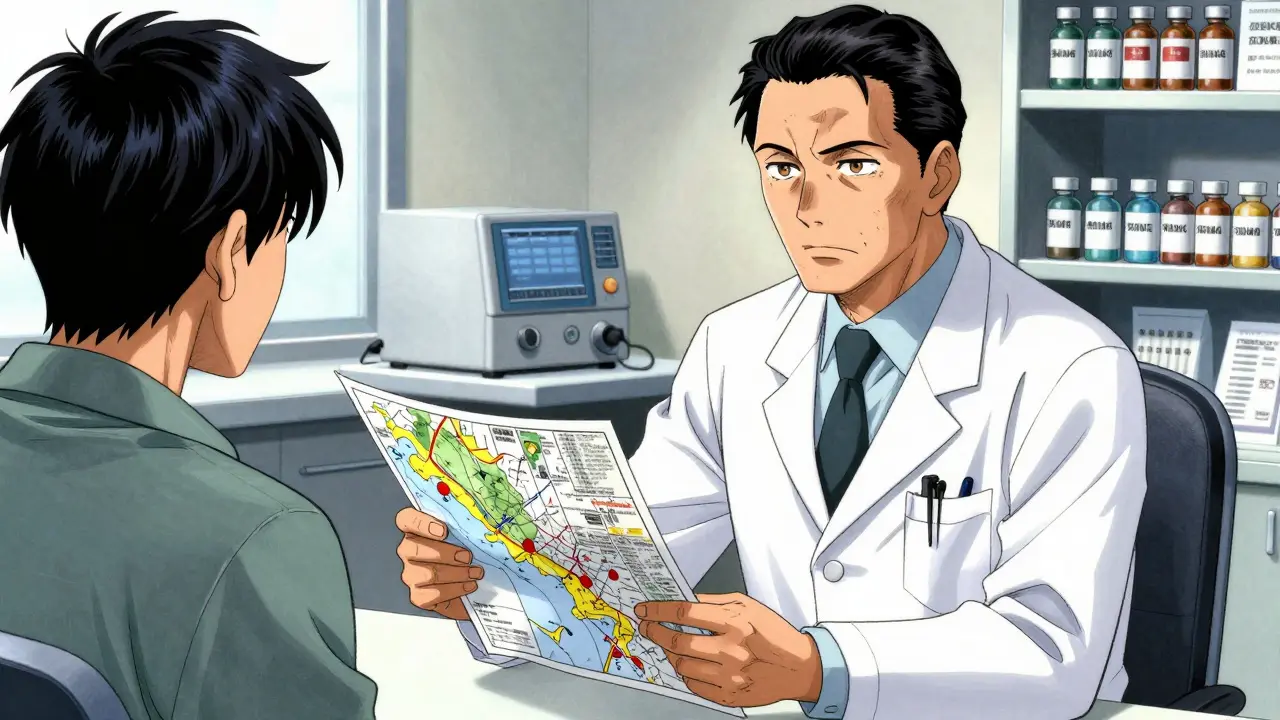
A travel health consultation typically lasts 30-45 minutes. To make the most of it, you need to provide precise data. Vague answers lead to vague advice. Prepare the following:
- Detailed Itinerary: List every country, city, and region you will visit. Urban tourism carries different risks than rural trekking. Mention if you’ll be visiting hospitals, working with animals, or engaging in water sports.
- Medical History: Include allergies, current medications, pregnancy status, and chronic conditions. For example, if you have heart arrhythmia, certain anti-malarials might be contraindicated.
- Past Vaccinations: Bring your vaccination record. This prevents unnecessary repeat shots and helps determine boosters needed for Tetanus or Rabies.
- Travel Insurance Details: Know what your policy covers regarding evacuation and medical treatment. This influences whether you need comprehensive self-treatment kits.
Providers use this information to create a personalized prevention plan. As noted by Mayo Clinic’s Travel Medicine program, they conduct a "country-by-country assessment" to tailor recommendations. Without this detail, you get generic advice that may not fit your reality.
Building Your Medication Kit
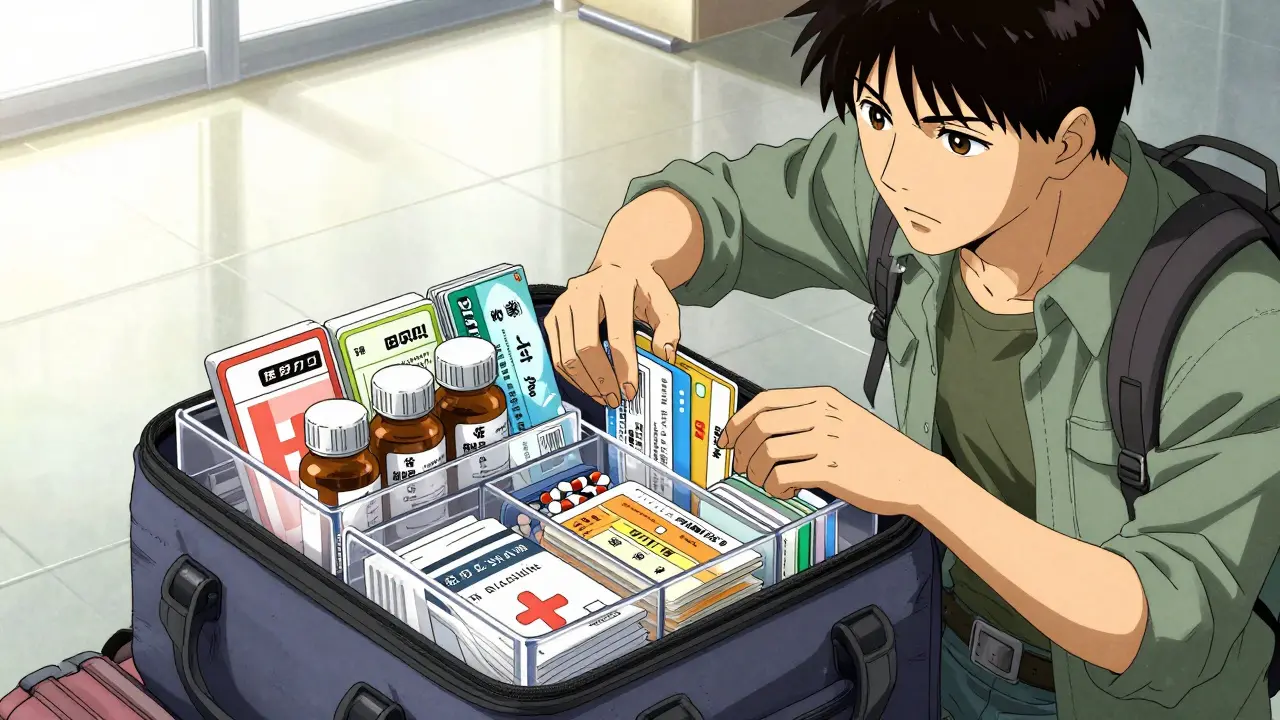
The core output of your clinic visit is a customized medication kit. This isn’t just about prescriptions; it’s about preparedness for common travel ailments. Here are the key components you should expect to discuss:
| Medication Type | Example Drug | Purpose & Timing |
|---|---|---|
| Anti-Malarial | Atovaquone-Proguanil (Malarone), Doxycycline | Prevents malaria. Start 1-2 days before travel (Malarone) or 1-2 weeks (Doxycycline). Continue for 4 weeks after leaving endemic area. |
| Antibiotic for Diarrhea | Azithromycin | Treats bacterial traveler's diarrhea. Take 500 mg daily for 3 days when symptoms appear. Carry as backup, not for prevention. |
| Altitude Sickness | Acetazolamide (Diamox) | Prevents acute mountain sickness. Start 24-48 hours before ascent to high altitudes (>2,500m). |
| Oral Rehydration Salts | ORS packets | Replaces fluids and electrolytes lost to diarrhea or vomiting. Essential for preventing dehydration in remote areas. |
| Antihistamines | Cetirizine, Diphenhydramine | Treats insect bites, allergic reactions, and motion sickness. Non-prescription but crucial for comfort. |
Note that azithromycin is often prescribed for self-treatment of traveler’s diarrhea. However, experts warn against overuse. Dr. Jane Chen of Johns Hopkins notes in Clinical Infectious Diseases that many clinics overprescribe antibiotics without adequate counseling on appropriate use, contributing to antimicrobial resistance. Only take these if you have severe symptoms (high fever, blood in stool) or if diarrhea persists beyond 48 hours.
Navigating Costs and Accessibility
Travel health services are rarely covered by standard insurance. Understanding the cost structure helps you budget effectively.
- University-Affiliated Clinics: Institutions like UCLA Health and UC Davis charge $150-$250 for initial consultations. They offer high expertise but may have longer wait times.
- Retail Clinics: CVS MinuteClinic lists pre-travel consultations around $129. They are convenient and faster but may lack depth for complex itineraries or chronic conditions.
- Hospital Systems: Kaiser Permanente requires members to book 6-8 weeks out. Services are integrated with your existing health records, which is beneficial for those with complex medical histories.
If you live in a rural area with no local clinic, telehealth is expanding rapidly. Mayo Clinic launched virtual pre-travel consultations serving 15,000+ patients annually with high satisfaction rates. While you can’t get vaccines online, specialists can prescribe medications and advise on local providers for injections. By 2026, the CDC projects 80% of travel clinics will incorporate AI-driven risk assessment tools to enhance these digital services.
Special Considerations for Complex Travelers
If you manage diabetes, immunosuppression, or heart conditions, coordination is key. Stanford Health Care reports that 42% of their complex cases require collaboration between primary care physicians and travel specialists. Ensure your regular doctor approves any new medications to avoid interactions. For instance, some anti-malarials interact with cardiac drugs.
Pregnant travelers face additional constraints. Many vaccines are live-attenuated and contraindicated during pregnancy. Malaria prophylaxis options are limited to chloroquine or mefloquine in certain regions. Early consultation is vital to assess risk versus benefit.
Also, remember documentation. The International Certificate of Vaccination for yellow fever is mandatory for entry into many countries and remains valid for life per WHO regulations since 2016. Keep this document with your passport. Losing it can lead to quarantine or denied entry.
Next Steps After Your Visit
Once you leave the clinic, your job begins. Follow these steps to ensure success:
- Start Medications Immediately: Set phone reminders for daily pills. Consistency is critical for efficacy.
- Store Properly: Keep medications in original packaging with labels. Carry them in your hand luggage, never checked bags.
- Monitor Side Effects: Note any reactions at home. If a drug causes severe nausea, contact your provider before traveling to switch alternatives.
- Educate Travel Companions:** Ensure everyone in your group understands the medication plan, especially who holds the emergency antibiotic supply.
Travel health clinics are not just a formality; they are your first line of defense. By investing time in proper planning, you protect your health and preserve the joy of your journey.
How far in advance should I see a travel health clinic?
Ideally, you should schedule an appointment 4 to 8 weeks before your departure. This timeframe allows for multi-dose vaccine series to complete and gives you time to test tolerance to prophylactic medications like anti-malarials. If you wait less than 2 weeks, your options for vaccines and medications become severely limited.
Do I really need a travel clinic if my GP says I'm fine?
Yes, especially for international travel. General practitioners often miss destination-specific risks. Studies show travel specialists identify 37% more health risks than GPs. They also have access to specialized vaccines like yellow fever and provide accurate prescribing for malaria prophylaxis, which GPs get wrong nearly one-third of the time in high-risk regions.
Are travel health consultations covered by insurance?
Rarely. Most standard health insurance plans do not cover pre-travel consultations or elective vaccines like yellow fever or typhoid. University clinics charge $150-$250, while retail clinics like CVS MinuteClinic charge around $129. Check with your provider, but expect to pay out-of-pocket for these services.
What if I’m traveling to a malaria zone?
You will likely be prescribed anti-malarial medication such as atovaquone-proguanil (Malarone), doxycycline, or mefloquine. The choice depends on your destination’s resistance patterns, your medical history, and side effect profile. You must start taking these drugs before you arrive (timing varies by drug) and continue for several weeks after you leave. Never rely solely on bug spray; medication is essential.
Can I get travel vaccines at a regular pharmacy?
Some common vaccines like Hepatitis A or Typhoid may be available at retail pharmacies. However, specialized vaccines like Yellow Fever must be administered at CDC-registered clinics. Additionally, pharmacists may not provide the comprehensive risk assessment and medication planning that a travel health specialist offers, leading to gaps in protection.