If you or someone you know is in immediate danger, please call 988 (in the US) or your local emergency number right now. You are not alone, and help is available.
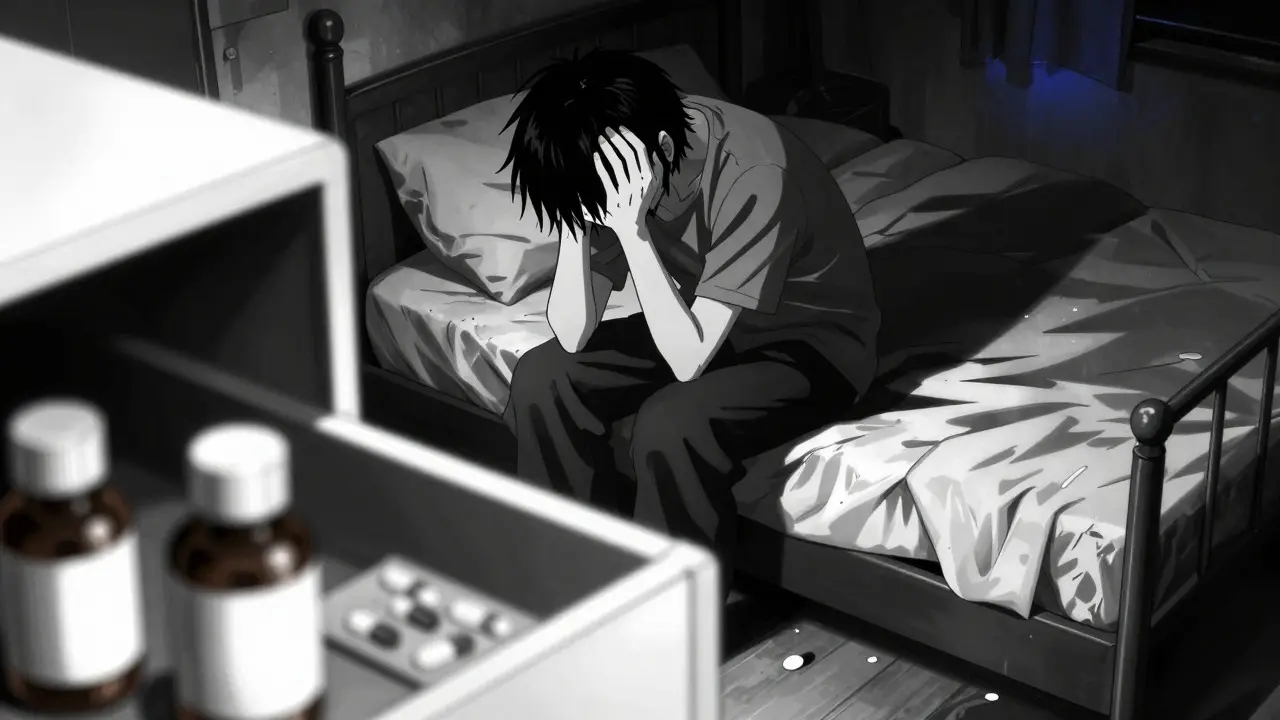
An intentional overdose is a serious medical and psychological event where someone deliberately takes more medication than prescribed to end their life. It is one of the most common methods used in suicide attempts. While recent data shows some decline in overall overdose deaths, the risk remains high for millions of people struggling with untreated mental illness. Understanding what happens during an overdose, how to get immediate help, and where to find long-term support can save lives.
Understanding Intentional Overdose and Its Impact
To grasp the scale of this issue, we need to look at the numbers. According to the Substance Abuse and Mental Health Services Administration (SAMHSA), about 2.7% of adolescents aged 12-17 attempted suicide in the past year. That might sound like a small percentage, but it represents thousands of young people. For adults, the Centers for Disease Control and Prevention (CDC) identifies suicide as a leading cause of death for Americans aged 18-44.
Mental Health America’s 2025 report highlights that over 14 million adults experienced serious thoughts of suicide in the last year. This creates a massive demand for crisis resources. When someone chooses an overdose, they often pick prescription medications or over-the-counter drugs because they are accessible. Prescription opioids, for example, were involved in 2.6% of past-year misuse cases among people aged 12 or older. These substances are perceived as painless and easy to get, especially for teens who may have access to household medicine cabinets.
However, the reality of an overdose is rarely quick or painless. It can lead to prolonged suffering, organ failure, and permanent physical damage. Acetaminophen overdoses, for instance, can cause severe liver damage even if the person survives. The psychological toll of surviving an attempt is also heavy, often leaving individuals with trauma and guilt. Recognizing these risks is the first step in prevention.
Is an intentional overdose always fatal?
No, many intentional overdoses are survived, but they can cause severe, permanent health issues like organ failure, brain damage, or chronic pain. The survival rate depends on the substance taken and how quickly medical help arrives.
Immediate Crisis Resources: What to Do Right Now
If you are in crisis, time is critical. The 988 Suicide & Crisis Lifeline is a nationwide network providing free, confidential support for people in suicidal crisis or emotional distress. Established in 2022, it connects you to trained counselors within minutes. In 2024, the 988 Lifeline handled 4.7 million contacts, showing its growing role in saving lives.
Here is how to use these resources effectively:
- Call or Text 988: This works anywhere in the US. If you cannot speak, texting is a great option. One user shared that a counselor stayed on the line until EMS arrived, which likely saved their life.
- Use the Crisis Text Line: Text HOME to 741741. This service had a median response time of just 37 seconds in 2024. It’s ideal if you feel too overwhelmed to talk out loud.
- SAMHSA National Helpline: Call 1-800-662-4357. This is useful for finding treatment referrals, though wait times have increased recently due to staffing cuts.
It is important to note that while these lines are vital, they face challenges. Staffing reductions at SAMHSA have led to longer wait times, rising from 2.4 minutes in 2022 to 5.7 minutes in 2024. Despite this, 68% of people who attempted suicide via overdose had contacted a crisis line within the previous month. This shows that reaching out works, even if the system isn’t perfect.

The Gap in Mental Health Care
Why do so many people reach crisis points before getting help? The answer lies in the accessibility of care. Mental Health America reports that 1 in 4 adults with Any Mental Illness (AMI) reported an unmet need for treatment. The ratio of individuals to mental health providers is currently 320:1. Experts say we need 1 provider per 250 at-risk individuals to make a real difference.
This gap is wider for certain groups. Black and American Indian/Alaska Native populations experience higher rates of fatal overdose incidents. Rural communities face a 25% higher suicide rate than urban areas, yet have 40% less access to crisis resources. For youth, parental consent requirements can block access to age-appropriate care, leaving 10.1% of adolescents with serious suicide thoughts without immediate professional support.
Funding cuts threaten to widen this gap further. A proposed $1.07 billion cut to SAMHSA’s budget for FY 2026 could eliminate critical state-level prevention programs. Without sustained funding, experts warn suicide rates could rise by 8-12% by 2027. This makes community support and personal advocacy more important than ever.
| Resource | Contact Method | Average Response Time | Best For |
|---|---|---|---|
| 988 Lifeline | Call/Text 988 | Varies by region | Immediate suicidal crisis |
| Crisis Text Line | Text HOME to 741741 | ~37 seconds | Those who prefer writing over talking |
| SAMHSA Helpline | 1-800-662-4357 | ~5.7 minutes | Referrals and treatment info |
| NAMI Helpline | 1-800-950-NAMI | Varies | Family support and education |
Long-Term Support and Recovery
Surviving an intentional overdose is just the beginning. Long-term recovery requires consistent care. Organizations like the National Alliance on Mental Illness (NAMI) offer peer support groups and family education. NAMI helps families understand mental health conditions and navigate the healthcare system.
The CDC recommends several strategies for prevention:
- Strengthen Economic Supports: Studies show that increasing minimum wage can reduce suicide attempts by 15.4%. Financial stress is a major trigger for crises.
- Promote Connectedness: School-based programs have reduced adolescent suicide attempts by 22%. Feeling connected to friends, family, or a community group matters.
- Limit Access to Means: Securely storing medications at home can prevent impulsive acts, especially among teens.
Therapy plays a huge role here. Cognitive Behavioral Therapy (CBT) and Dialectical Behavior Therapy (DBT) are proven to help manage suicidal thoughts. Medication management, under the care of a psychiatrist, can also stabilize mood disorders like depression and bipolar disorder.

How Friends and Family Can Help
If you suspect someone is at risk, don’t wait. Ask them directly: “Are you thinking about suicide?” This does not plant the idea; it opens the door for help. Listen without judgment. Avoid saying things like “cheer up” or “think of your family.” Instead, say, “I’m here for you,” or “Let’s find some help together.”
Remove potential means of self-harm from the environment. If they have access to large quantities of pills, help them store them safely. Encourage them to contact a crisis line or see a doctor. Follow up regularly. Isolation fuels despair, so regular check-ins can keep someone grounded.
What should I do if I find someone who has overdosed?
Call 911 immediately. Check if they are breathing. If they are unconscious but breathing, place them in the recovery position (on their side) to prevent choking. Stay with them until help arrives. Do not try to make them vomit.
Is the 988 Lifeline free?
Yes, calling or texting 988 is free and confidential. It is funded by the government and available 24/7 across the United States.
Can teenagers use the 988 Lifeline without parental permission?
Yes, teenagers can call or text 988 anonymously. Counselors are trained to handle youth-specific issues and will respect confidentiality unless there is an immediate safety risk.
What is the difference between accidental and intentional overdose?
Accidental overdose happens when someone unintentionally takes too much, often due to confusion or addiction. Intentional overdose is a deliberate act to end one’s life. Both require immediate medical attention, but intentional overdose also requires mental health intervention.
How can I support a friend recovering from an overdose?
Be patient and consistent. Attend therapy sessions with them if they want company. Help them stick to their medication schedule. Reduce stigma by talking openly about mental health. Celebrate small victories.
Next Steps for You
If you are reading this because you are struggling, please take one small step today. Save the 988 number in your phone. Tell one trusted person how you feel. Visit a local clinic or use an online telehealth service. Recovery is possible, and you deserve support.
If you are supporting someone else, educate yourself. Learn the signs of depression and anxiety. Create a safe space for conversation. Advocate for better mental health funding in your community. Every action counts in preventing intentional overdose and saving lives.