
What Is Narcolepsy, Really?
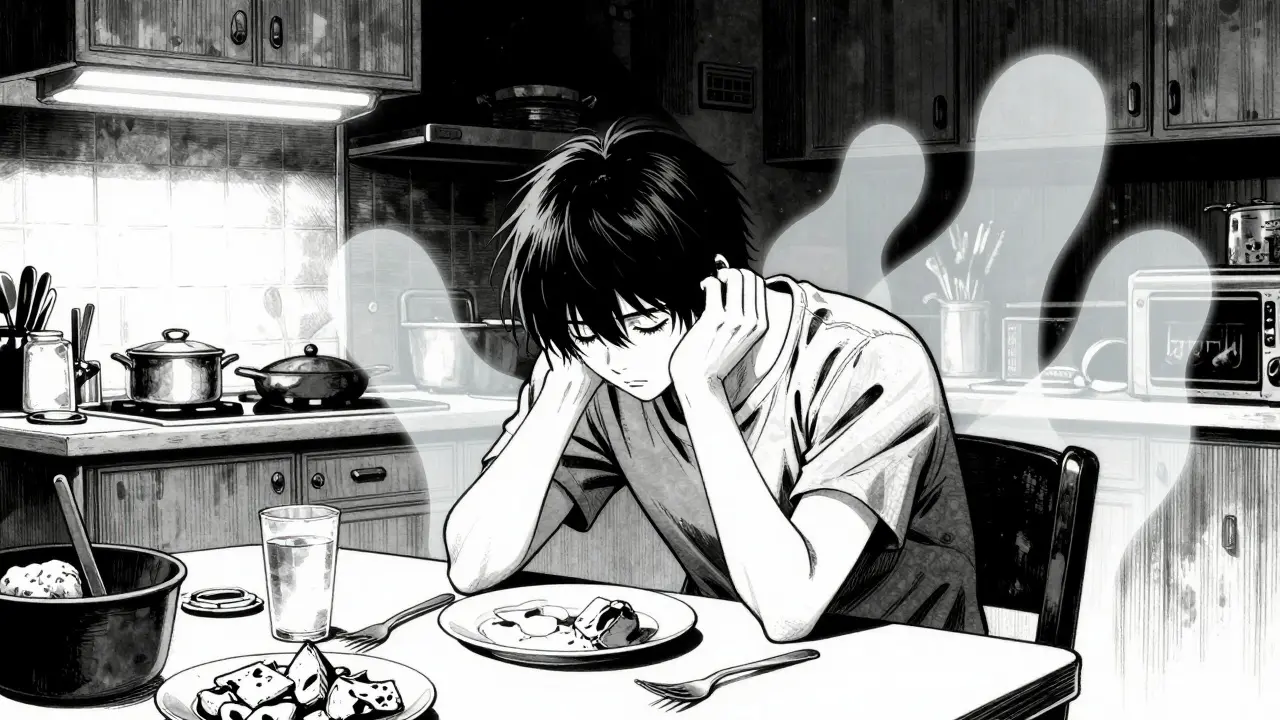
Narcolepsy isn’t just feeling tired. It’s a neurological disorder where the brain can’t control when you’re awake or asleep. People with narcolepsy experience excessive daytime sleepiness so intense that they fall asleep without warning-during conversations, while driving, even while eating. This isn’t laziness or poor sleep habits. It’s a biological failure in the brain’s wake-sleep switch, often tied to a loss of hypocretin, a chemical that keeps you alert. About 1 in 2,000 people have it, and most start showing symptoms between ages 10 and 30, though nearly a quarter don’t notice anything until after 40.
There are two main types. Type 1 narcolepsy includes cataplexy-a sudden loss of muscle tone triggered by strong emotions like laughter or anger. Think of it as your body briefly shutting down while your mind stays awake. Type 2 is similar but without cataplexy. Both types share the same core problem: overwhelming sleepiness during the day and broken, restless sleep at night. Many people with narcolepsy also experience sleep paralysis (feeling stuck between sleep and wakefulness) or vivid hallucinations as they drift off or wake up.
How Is Narcolepsy Diagnosed?
Diagnosing narcolepsy isn’t just about saying, “I’m always tired.” Doctors need hard evidence. The first step is an overnight sleep study (polysomnography) to rule out other sleep disorders like sleep apnea. Then comes the Multiple Sleep Latency Test (MSLT). This involves taking five 20-minute naps spaced two hours apart during the day. If you fall asleep in under eight minutes on average-and enter REM sleep in at least two of those naps-you meet the diagnostic criteria. Another key test checks hypocretin levels in spinal fluid. If it’s below 110 pg/mL, it confirms Type 1 narcolepsy.
Many people wait years for a diagnosis because symptoms are mistaken for depression, ADHD, or simple burnout. A 2022 study found that nearly half of narcolepsy patients were misdiagnosed before getting the right answer. That’s why if you’ve had unexplained daytime sleepiness for three months or more, especially with sudden muscle weakness or vivid dreams upon waking, it’s time to see a sleep specialist.
Why Stimulants Are the First-Line Treatment
There’s no cure for narcolepsy-not yet. But there are treatments that work. For excessive daytime sleepiness, stimulants are the go-to. They don’t fix the broken hypocretin system, but they boost the brain’s wakefulness signals enough to help people function. The most commonly prescribed stimulants are modafinil and armodafinil. Both are designed to promote alertness without the jittery highs and crashes of older stimulants like amphetamines.
Modafinil, approved in 1998, works by increasing dopamine in the brain. Most people take 200 mg in the morning. If that doesn’t help after two weeks, doctors may increase it to 400 mg. In clinical trials, about 70% of patients saw their sleepiness scores drop by at least five points on the Epworth Sleepiness Scale-a meaningful improvement. Armodafinil is its longer-lasting cousin. Taken once daily, it stays active for up to 15 hours, making it ideal for people who need steady alertness through long workdays.
Traditional Stimulants: More Power, More Risk
For those who don’t respond to modafinil, doctors may turn to methylphenidate (Ritalin) or mixed amphetamine salts (Adderall). These are stronger. About 80% of patients feel more awake on them. But they come with trade-offs. They can raise blood pressure and heart rate, cause anxiety, appetite loss, and even emotional numbness. A 2021 study found that 45% of people on traditional stimulants stopped taking them within a year because of side effects.
They’re also tightly controlled. Adderall is a Schedule II drug in the U.S., meaning prescriptions are harder to refill and pharmacies may refuse to fill them without extra paperwork. For some, the risk isn’t worth it. But for others-especially those with severe EDS (Epworth scores above 16)-these drugs can be life-changing. One teacher in her 30s went from scoring 18 on the sleepiness scale to 6 on armodafinil and was able to keep her job for the first time in years.
Newer Options: What’s on the Horizon
Not everyone tolerates stimulants well. That’s where newer drugs come in. Pitolisant (Wakix) works differently-it boosts histamine, a wakefulness chemical, instead of dopamine. It’s as effective as modafinil for sleepiness and doesn’t raise blood pressure. But it costs about $850 a month, compared to $400 for generic modafinil. Solriamfetol (Sunosi) is another option. It blocks dopamine and norepinephrine reuptake, improving wakefulness without the abuse potential of amphetamines. But it can cause high blood pressure in about 7% of users.
Sodium oxybate (Xyrem) isn’t a stimulant, but it’s crucial for people with cataplexy. Taken at night in two doses, it improves nighttime sleep and reduces daytime sleepiness. It cuts cataplexy attacks by 85%. But it’s tightly regulated due to safety risks, and patients must enroll in a special program to get it. The newer version, JZP-258, is expected to be approved by the end of 2024 and may be easier to tolerate because it has less sodium.
What Works Best? A Real-World Comparison
| Medication | Typical Dose | ESS Reduction | Common Side Effects | Discontinuation Rate |
|---|---|---|---|---|
| Modafinil | 200-400 mg daily | 5.2 points | Headache, nausea, insomnia | <5% |
| Armodafinil | 150-250 mg daily | 6.1 points | Headache, dry mouth, dizziness | <5% |
| Methylphenidate/Adderall | 10-60 mg daily | 7.8 points | Appetite loss, anxiety, high BP | 45% |
| Pitolisant | 17.8-35.6 mg daily | 6.1 points | Insomnia, headache, nausea | 12% |
| Solriamfetol | 75-150 mg daily | 7.5-9.8 points | High BP, dry mouth | 8% |
Modafinil remains the most common first choice because it’s safe, affordable, and effective for most. But if your sleepiness is severe, or modafinil stops working after a year (which happens to about 40% of users), switching to armodafinil or a traditional stimulant may be necessary. The key is matching the drug to your symptoms, lifestyle, and health risks.

Monitoring and Long-Term Management
Taking a stimulant isn’t a set-it-and-forget-it deal. You need to track your progress. Most doctors ask patients to fill out the Epworth Sleepiness Scale every month. Blood pressure is checked quarterly. Heart health gets reviewed yearly, especially if you’re on amphetamines. Some patients develop tolerance over time-what once worked at 200 mg now needs 400 mg. That’s not addiction; it’s the body adapting. But it means you need to work closely with your doctor to adjust doses safely.
Insurance is another hurdle. In the U.S., getting approval for narcolepsy meds can take two weeks or more. Many patients report delays in getting prescriptions filled. Some end up skipping doses or switching to cheaper, less effective options just to get through the day. Patient support groups like MyNarcolepsyTeam and the Narcolepsy Network offer tools to help navigate these challenges.
What’s Next for Narcolepsy Treatment?
Researchers are working on treatments that target the root cause, not just the symptoms. One promising drug, TAK-994, mimics hypocretin and showed strong results in trials-but development was paused due to liver safety concerns. Other teams are exploring therapies that could stop the autoimmune attack that destroys hypocretin-producing cells in Type 1 narcolepsy. If successful, these could one day prevent the disease instead of just managing it.
For now, though, stimulants remain the backbone of care. They don’t cure narcolepsy, but they give people back their days. A 34-year-old teacher in Ohio, a truck driver in Texas, a college student in London-they all rely on these medications to stay awake, stay safe, and stay in control of their lives. The goal isn’t perfection. It’s function. And for many, stimulants make that possible.
Can narcolepsy be cured?
No, narcolepsy cannot be cured yet. It’s caused by a loss of hypocretin-producing brain cells, which doesn’t reverse. Current treatments manage symptoms like daytime sleepiness and cataplexy but don’t restore the missing brain chemistry. Research is ongoing into disease-modifying therapies, but none are available for clinical use as of 2026.
Do stimulants make narcolepsy worse over time?
Stimulants don’t make narcolepsy worse, but the body can adapt to them. Many patients report that the same dose becomes less effective after 12-18 months. This is called tolerance, not addiction. It means the brain adjusts to the drug’s effect. Doctors can usually fix this by adjusting the dose or switching medications-not by stopping treatment.
Are there non-stimulant options for daytime sleepiness?
Yes. Pitolisant and solriamfetol are non-amphetamine alternatives approved for excessive daytime sleepiness. Pitolisant works by increasing histamine, a natural wakefulness signal. Solriamfetol boosts dopamine and norepinephrine without the abuse risk of traditional stimulants. Both are effective and safer for people with heart conditions or a history of substance use.
Can I drive with narcolepsy if I’m on medication?
Many people with narcolepsy drive safely while on treatment. But it depends on how well your symptoms are controlled. If you still have sleep attacks or sudden muscle weakness, driving is dangerous and often illegal. Doctors typically require patients to be on stable medication for at least 3 months with no episodes before approving driving. Always check local laws-some regions require reporting a narcolepsy diagnosis to the DMV.
Why do some people with narcolepsy gain weight?
Weight gain is common in narcolepsy, even without overeating. The disorder affects metabolism and appetite regulation. Some medications, like sodium oxybate, can increase appetite. Others, like stimulants, suppress it. But overall, disrupted sleep hormones and low physical activity due to fatigue contribute to weight gain. Managing diet and incorporating light exercise-even short walks-can help offset this.
What to Do Next
If you think you or someone you know has narcolepsy, start with a sleep specialist. Don’t wait for symptoms to get worse. Keep a sleep diary for two weeks-note when you fall asleep, how long you sleep, and any episodes of sudden weakness or hallucinations. Bring this to your appointment. If you’re already diagnosed and your current medication isn’t working, talk to your doctor about switching. Many people go years on suboptimal doses simply because they don’t know better options exist. You deserve to feel awake during the day. With the right treatment, you can.
Vicki Yuan
January 5, 2026 AT 08:20Modafinil changed her life. She went from failing classes to graduating top of her cohort. No hype, just science.
Uzoamaka Nwankpa
January 6, 2026 AT 05:39Chris Cantey
January 7, 2026 AT 19:52Terri Gladden
January 8, 2026 AT 09:49melissa cucic
January 8, 2026 AT 18:55Peyton Feuer
January 10, 2026 AT 11:47mark etang
January 12, 2026 AT 10:05Mandy Kowitz
January 12, 2026 AT 23:22Justin Lowans
January 14, 2026 AT 01:50Michael Rudge
January 14, 2026 AT 22:28