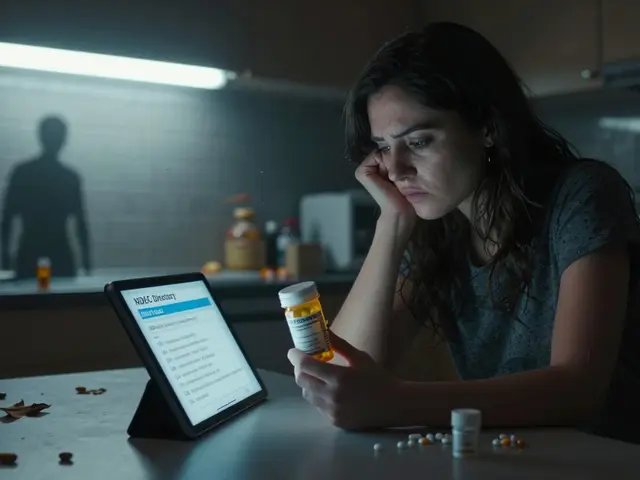
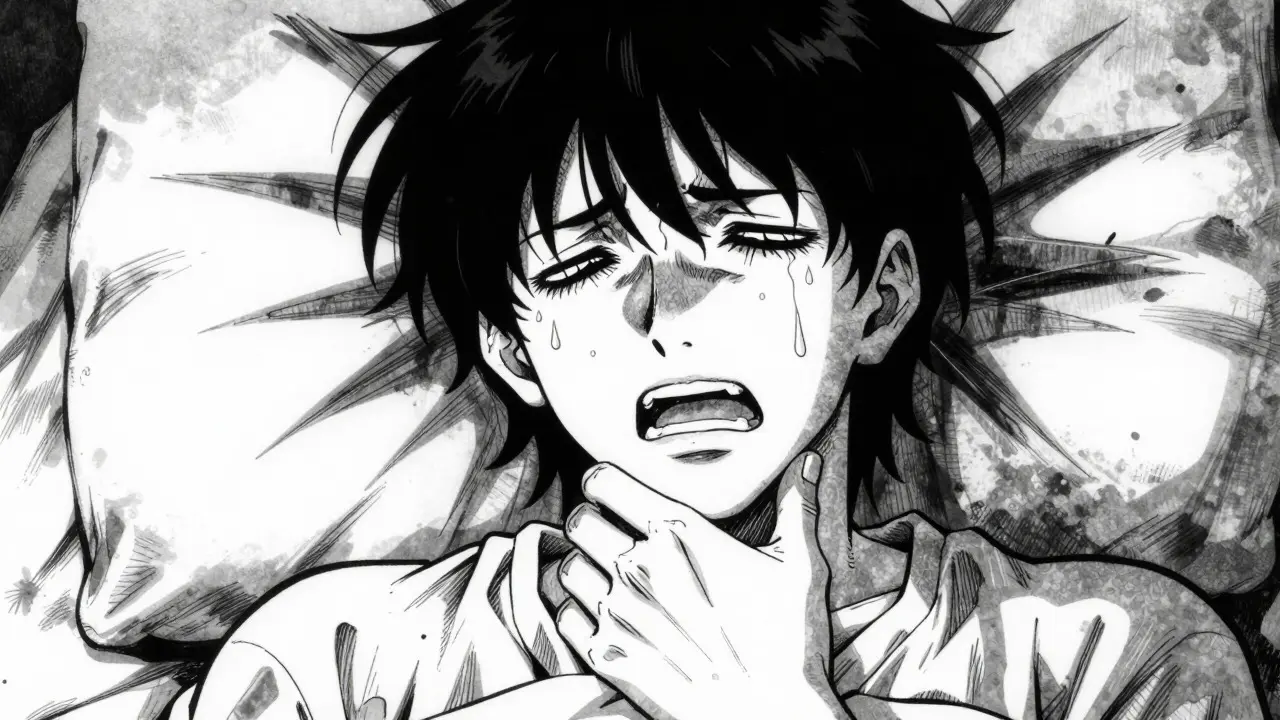
Waking up with a throat that feels like you swallowed broken glass is miserable. But is it just a nasty virus, or do you need antibiotics? The difference matters because strep throat is a bacterial infection caused by Group A Streptococcus (Streptococcus pyogenes) that requires specific treatment to prevent complications. Unlike the common cold, strep doesn't always go away on its own quickly, and ignoring it can lead to serious issues like rheumatic fever. Understanding how to spot it, get tested, and follow your medication schedule is key to getting back to normal fast.
How to Tell If It's Strep Throat
Most sore throats are viral, but strep has distinct signs. You might notice sudden onset pain, a fever over 38°C (100.4°F), and swollen tonsils with white patches. A major red flag is tender lymph nodes in your neck. Conversely, if you have a cough, runny nose, or conjunctivitis, it’s likely viral. Doctors use the Centor criteria to assess risk, giving points for absence of cough, fever, swollen glands, and tonsillar exudate. A score of 3 or higher suggests testing is necessary. In children aged 3 to 9, strep accounts for 15-30% of sore throats, making it a frequent culprit in schools.
Diagnostic Testing Methods
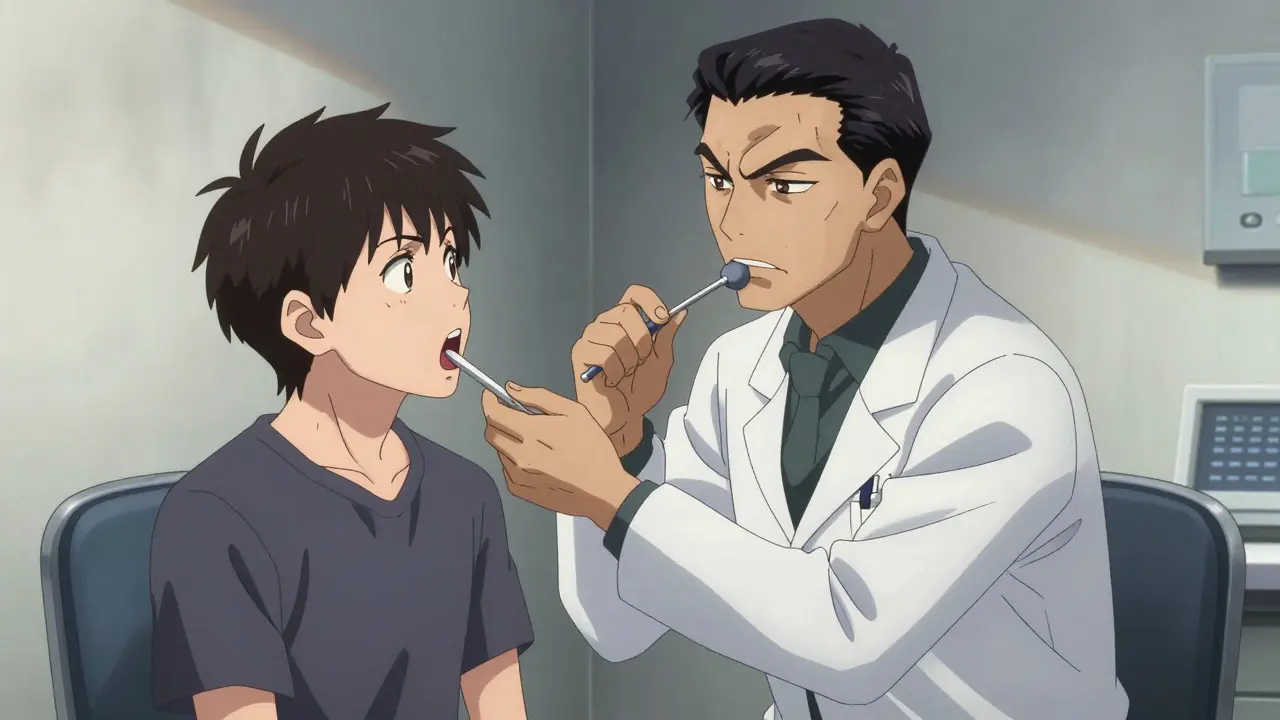
Your doctor will likely start with a rapid antigen detection test (RADT). This swab provides results in 10 to 30 minutes. While convenient, RADTs have a sensitivity of 85-95%, meaning false negatives can happen. For children and adolescents, a negative rapid test often requires a confirmatory throat culture, which takes 24 to 48 hours. This gold standard test has higher accuracy. Newer molecular tests like PCR offer even greater sensitivity at 95-98%, though they are less common in primary care settings due to cost and turnaround time.
| Test Type | Turnaround Time | Sensitivity | Best For |
|---|---|---|---|
| Rapid Antigen Detection Test (RADT) | 10-30 minutes | 85-95% | Initial screening in all ages |
| Throat Culture | 24-48 hours | 90-95% | Confirming negative RADT in children |
| Molecular PCR | 24-48 hours | 95-98% | High-risk cases or research |
Antibiotic Treatment Options
If tests confirm strep, antibiotics are essential. The first-line treatment is usually penicillin V or amoxicillin. For adults, this typically means 500 mg of penicillin V twice daily for 10 days. Children receive weight-based dosages, such as 50 mg/kg of amoxicillin once daily. These drugs achieve eradication rates of about 95%. If you have a penicillin allergy, doctors may prescribe cephalexin, clindamycin, or azithromycin. However, macrolides like azithromycin face higher resistance rates, around 15% in some regions, so adherence is critical. Remember, antibiotics reduce symptom duration by only about 16 hours on average, but they significantly lower transmission risk and prevent long-term damage.
Recovery Timeline and Contagion
With proper treatment, symptoms usually improve within 24 to 48 hours. Complete resolution takes 7 to 10 days. You remain contagious for 24 hours after starting antibiotics, so staying home from work or school during this window is important. After 24 hours of antibiotic therapy and fever resolution, most people can return to normal activities. However, finishing the full course is non-negotiable. Stopping early increases the risk of relapse, which occurs in 5-15% of incompletely treated cases. If symptoms persist beyond 48 hours despite antibiotics, see your doctor again to rule out complications like a peritonsillar abscess.

Preventing Complications and Resistance
Untreated strep throat can lead to acute rheumatic fever, affecting roughly 3% of cases. This condition can cause heart valve damage years later. Global efforts aim to reduce these complications through better diagnosis and treatment adherence. Another concern is antimicrobial resistance. Using leftover antibiotics or sharing prescriptions contributes to this problem. Currently, penicillin resistance remains low at 0.5%, but monitoring is ongoing. Vaccines are in development, but due to the many serotypes of Group A Streptococcus, creating a single effective vaccine is challenging. Until then, hygiene and prompt treatment are your best defenses.
Frequently Asked Questions
Can you have strep throat without a fever?
Yes, while fever occurs in 85% of cases, some patients, especially older adults, may present without significant fever. Other symptoms like tonsillar exudate and swollen glands become more important diagnostic clues in these instances.
How long should I take antibiotics for strep throat?
The standard course is 10 days for penicillin or amoxicillin. Azithromycin courses are shorter, typically 5 days. Always finish the prescribed duration to prevent relapse and resistance.
Is strep throat contagious after starting antibiotics?
You are generally considered no longer contagious after 24 hours of taking antibiotics and when your fever has resolved. However, completing the full course ensures the bacteria are fully eliminated.
What happens if strep throat goes untreated?
Untreated strep can lead to complications like rheumatic fever, post-streptococcal glomerulonephritis, or peritonsillar abscess. Rheumatic fever can cause long-term heart damage, making prompt treatment vital.
Do I need a test if I suspect strep throat?
Yes, testing is recommended to distinguish bacterial from viral pharyngitis. Accurate diagnosis prevents unnecessary antibiotic use, which helps combat resistance, while ensuring those who need treatment receive it promptly.