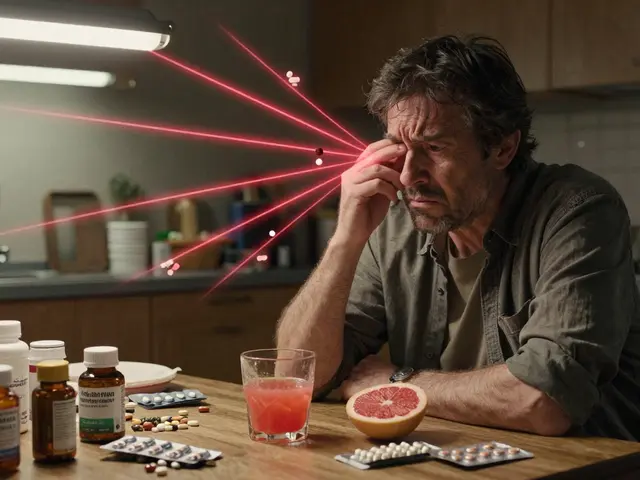
FDA Generic Drugs: What They Are, How They Work, and Where to Buy Safely
When you hear FDA generic drugs, medications approved by the U.S. Food and Drug Administration to be identical in active ingredient, strength, and performance to brand-name drugs. Also known as generic medications, they work the same way, in the same amount of time, and with the same risks and benefits as their name-brand cousins. The FDA doesn’t just approve them — it demands proof. Every generic drug must match the brand-name version in dosage, route of administration, and how quickly it gets into your bloodstream. No shortcuts. No guesswork.
That’s why you can trust a generic version of ciprofloxacin, an antibiotic used to treat bacterial infections to do exactly what Cipro does — or a generic vardenafil, a treatment for erectile dysfunction to work like Levitra. The active ingredients are identical. The side effects? The same. The only real difference? The price. Generic drugs can cost 80% less because manufacturers don’t have to repeat expensive clinical trials. The FDA already confirmed the original drug works. They just need to prove the copy does too.
But here’s what most people don’t know: not all online pharmacies selling generic drugs are legal. Some sell fake pills that contain nothing, or worse — wrong doses, toxic fillers, or even other drugs. That’s why knowing the difference between an FDA-approved generic and a counterfeit matters. Look for pharmacies that require a prescription, list a physical address, and have a licensed pharmacist on staff. If it looks too good to be true — like $5 for a 30-day supply of ivermectin, a medication used to treat parasitic infections — it probably is.
And it’s not just about saving money. For seniors on multiple medications — like those managing blood pressure, depression, or gout — switching to generics can make adherence easier. When you’re paying less, you’re more likely to take your pills every day. That’s why studies show using generics reduces hospital visits and cuts overall healthcare costs. The FDA tracks these drugs long after approval, watching for safety issues. If a batch of generic dexamethasone, a corticosteroid used for inflammation and immune conditions causes unexpected side effects, the FDA pulls it.
You’ll find plenty of posts here about specific generic drugs — from how bupropion, an antidepressant also used for smoking cessation compares to SSRIs, to why low-dose aspirin, a common pain reliever with heart-protective effects might help prevent gallstones. Each article breaks down real-world use, safety, and how to spot quality products. Whether you’re managing chronic pain, fighting infection, or just trying to stretch your prescription budget, the information here is practical, grounded in science, and focused on what actually works.
17
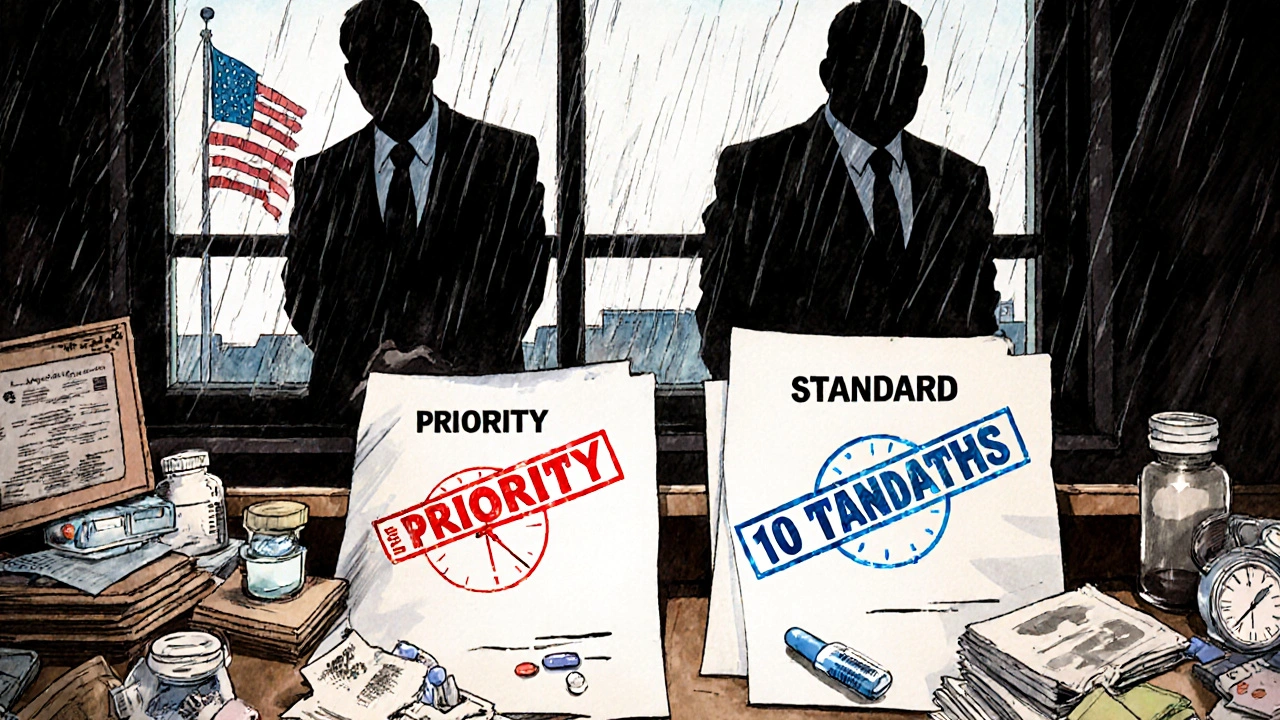
Priority vs Standard Review: How FDA Prioritizes Generic Drug Applications
The FDA uses priority and standard review tracks for generic drugs. Priority review, at 8 months, is reserved for first generics, drugs in shortage, or those with clinical advantages. A new pilot rewards U.S. manufacturing. Understanding these rules helps companies get approvals faster and patients get affordable drugs sooner.