

Imagine your cells are locked houses. Insulin is the key that unlocks the door so glucose (sugar) can enter and provide energy. In Type 2 Diabetes is a chronic metabolic disorder where the body's cells stop responding effectively to insulin, leading to high blood sugar levels and progressive beta cell failure. When those locks get jammed, the key doesn't work well. This is insulin resistance. It’s not just a side effect; it’s the engine driving the disease for most people. If you’ve been told you have "prediabetes" or "metabolic syndrome," you are likely standing at this exact crossroads.
We often hear these terms thrown around in doctor’s offices, but they describe a specific biological breakdown. It’s not just about eating too much sugar. It’s about how your liver, muscles, and fat tissue communicate with your pancreas. Understanding this mechanism is the only way to take control of your health rather than just managing numbers on a lab report.
The Mechanics of Insulin Resistance
To understand why Type 2 Diabetes happens, we have to look at what goes wrong before the diagnosis. Dr. Ralph DeFronzo, a pioneer in this field from the University of Texas Health Science Center, described insulin resistance as the single most important defect leading to the disease. Here is how it plays out in your body.
Normally, when you eat, your pancreas releases insulin. Insulin signals your cells to open up and absorb glucose from your blood. But in insulin resistance, the cells in your liver, skeletal muscle, and adipose (fat) tissue become deaf to this signal. They don’t open. Glucose stays stuck in your bloodstream.
Your pancreas notices this. It thinks, "Maybe I didn’t shout loud enough." So, it pumps out even more insulin. This is called hyperinsulinemia. For years, your pancreas can overcompensate, keeping your blood sugar normal despite the resistance. But this comes at a cost. The constant flooding of insulin promotes fat storage and inflammation. Over time, the molecular pathways-specifically the IRS-1/PI3K/Akt2 signaling routes-get clogged by metabolites like non-esterified fatty acids (NEFAs). This leads to endoplasmic reticulum stress and oxidative damage within the cells.
Eventually, the pancreas burns out. The beta cells, which produce insulin, can no longer keep up with the demand. This is the tipping point. When fasting plasma glucose exceeds 126 mg/dL or post-meal glucose hits 200 mg/dL, you cross the line into Type 2 Diabetes. Research shows that 80-90% of patients exhibit significant insulin resistance before they are ever diagnosed.
Metabolic Syndrome: More Than Just Weight
You might have heard of "Metabolic Syndrome." Originally called "Syndrome X" by Dr. Gerald Reaven in 1988, it’s a cluster of conditions that strike together. Recent medical consensus, including a 2024 publication in Nature, suggests renaming it "Metabolic Dysfunction Syndrome" (MDS) to highlight that this is an active pathological process, not just a collection of stats.
Why does this matter? Because having Metabolic Syndrome makes you 5 to 6 times more likely to develop Type 2 Diabetes compared to someone who doesn’t. It also doubles your risk of heart disease. According to the International Diabetes Federation (IDF), you have this syndrome if you have central obesity plus at least two of the following:
- High Triglycerides: 150 mg/dL or higher.
- Low HDL Cholesterol: Below 40 mg/dL for men, or below 50 mg/dL for women.
- High Blood Pressure: 130/85 mmHg or higher.
- High Fasting Glucose: 100 mg/dL or higher.
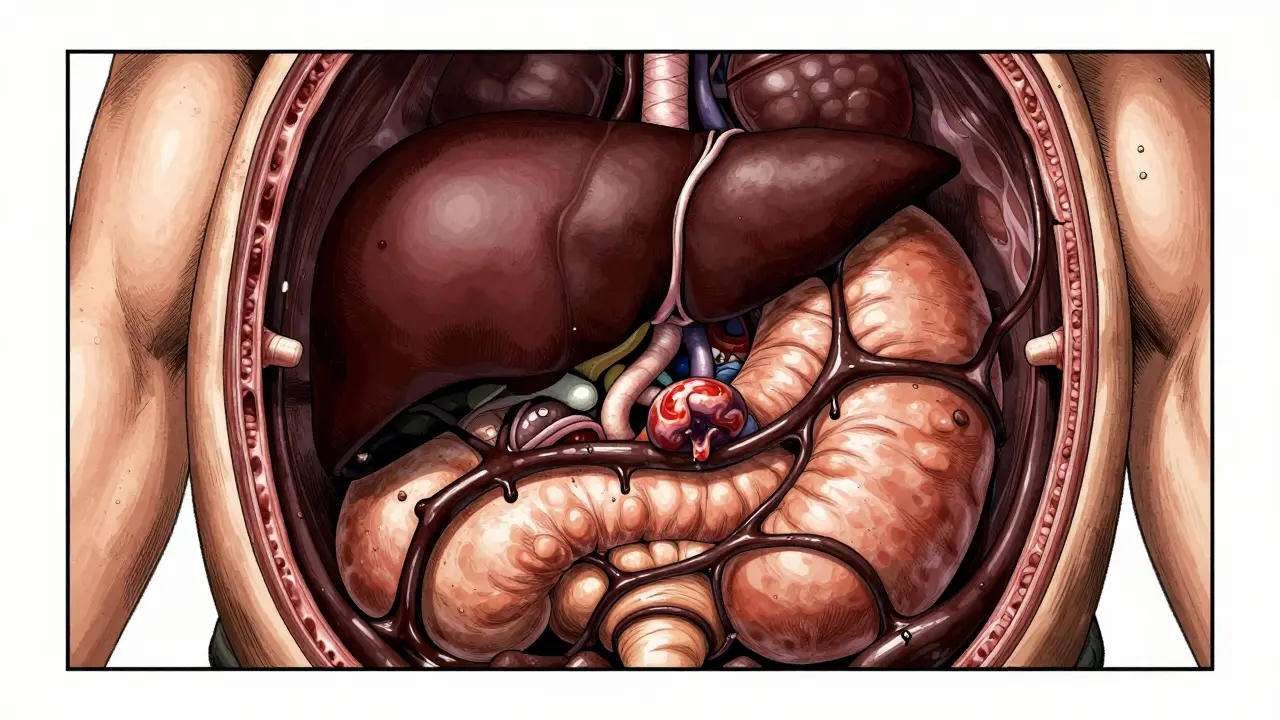
Central obesity is the gateway here. But it’s not just about the number on the scale. It’s about where the fat sits. Visceral fat-the kind deep inside your abdomen wrapping around your organs-is metabolically active. It releases inflammatory chemicals that worsen insulin resistance. That’s why some people who appear slim can still have metabolic issues, while others with higher weight may remain metabolically healthy, depending on their genetics and fat distribution.
| Component | Threshold for Men | Threshold for Women |
|---|---|---|
| Waist Circumference (European) | ≥ 94 cm | ≥ 80 cm |
| Waist Circumference (South Asian/Japanese) | ≥ 90 cm | ≥ 80 cm |
| Triglycerides | ≥ 150 mg/dL | ≥ 150 mg/dL |
| HDL Cholesterol | < 40 mg/dL | < 50 mg/dL |
| Blood Pressure | ≥ 130/85 mmHg | ≥ 130/85 mmHg |
| Fasting Plasma Glucose | ≥ 100 mg/dL | ≥ 100 mg/dL |
Why Beta Cell Failure Is the Final Blow
Insulin resistance gets all the attention, but there’s another player: the beta cells. Dr. Steven Kahn from the Joslin Diabetes Center found that in Type 2 Diabetes, beta cell function declines by about 4-5% every year. This is a slow, silent erosion.
In the early stages, your beta cells are heroes. They work overtime to overcome resistance. But they have limits. Chronic exposure to high glucose and lipids causes "glucotoxicity" and "lipotoxicity," which physically damage these cells. Some experts, like Dr. Anna Gloyn from Oxford University, argue that in certain genetic subtypes-particularly among lean individuals of South Asian descent-beta cell dysfunction might actually be the primary driver, not just insulin resistance.
This distinction is crucial because it changes how we treat the disease. If the problem is purely resistance, lifestyle changes might fix it. If the beta cells are failing due to genetic predisposition, you may need medication earlier to preserve what’s left. This is why personalized medicine is becoming the gold standard in endocrinology.
Real-Life Symptoms: What You Actually Feel
Lab tests tell one story, but your body tells another. Data from patient communities like TuDiabetes.org reveals that 78% of people with metabolic syndrome struggle with fatigue and difficulty losing weight. Why? Because your cells are starving for energy. Even though there is plenty of sugar in your blood, it can’t get into the cells to be used. So you feel tired, yet you have excess energy circulating as glucose.
Another common complaint is hunger. About 65% of patients report feeling constantly hungry despite eating. This is driven by insulin dysregulation. High insulin levels block the breakdown of stored fat, so your body signals for more food to find energy. It’s a vicious cycle: eat more → insulin spikes → fat storage increases → hunger persists.
Other subtle signs include:
- Dark patches of skin (acanthosis nigricans), often on the neck or armpits, caused by high insulin levels stimulating skin cell growth.
- Frequent urination, as the kidneys try to flush out excess glucose.
- Blurred vision, due to fluid shifts in the lenses of the eyes.
If you recognize these symptoms, don’t wait for a crisis. Early intervention can reverse many of these effects.
Treatment Strategies: Beyond Willpower
Managing Type 2 Diabetes and Metabolic Syndrome isn’t about moral failure; it’s about biology. However, lifestyle remains the foundation. The American Diabetes Association (ADA) recommends specific targets that are backed by hard data.
Weight Loss: Aim for a 5-7% reduction in body weight. The Look AHEAD trial showed that intensive lifestyle interventions could lead to partial diabetes remission in 51% of participants after one year. For Asian populations, the IDF suggests a minimum 5% loss due to different body composition risks.
Physical Activity: 150 minutes of moderate-intensity exercise per week. Exercise makes your muscles sensitive to insulin without needing as much hormone. It’s like cleaning the lock so the key works better.
Dietary Changes: Focus on reducing refined carbohydrates and added sugars. Increase fiber intake. Fiber slows down glucose absorption, preventing sharp insulin spikes. Mediterranean diets and low-carbohydrate approaches have both shown strong evidence in improving metabolic markers.

Medications and New Therapies
When lifestyle isn’t enough, medication steps in. Metformin has been the first-line drug for decades. It works by reducing glucose production in the liver and improving insulin sensitivity. The Diabetes Prevention Program showed it reduces the incidence of Type 2 Diabetes by 31% in high-risk individuals.
But the landscape is changing fast. GLP-1 receptor agonists, such as semaglutide (Ozempic/Wegovy) and tirzepatide (Mounjaro/Zepbound), are revolutionizing treatment. These drugs mimic gut hormones that regulate appetite and insulin release.
The STEP trials demonstrated that semaglutide led to an average 14.9% weight loss over 68 weeks. More importantly, the SELECT trial showed a 66% rate of diabetes remission in some patients. Tirzepatide, a dual GIP/GLP-1 agonist approved in 2023, offers even greater efficacy by targeting two hormonal pathways simultaneously. These aren’t just weight-loss drugs; they are metabolic reset buttons.
Continuous Glucose Monitors (CGMs), like the Dexcom G7, are also moving beyond Type 1 Diabetes. With 95% accuracy and 10-day wear time, they allow people with Type 2 Diabetes to see real-time how food and activity affect their bodies. This feedback loop empowers patients to make immediate adjustments.
The Future of Metabolic Health
We are entering a new era. The NIH is investing $1.2 billion in research to preserve beta cell function. Companies like Vertex Pharmaceuticals are testing stem cell-derived beta cell replacements, with Phase 3 trials showing promising results in restoring insulin independence.
However, the burden is growing. The CDC projects that by 2050, 1 in 3 U.S. adults will have diabetes. The economic cost is staggering-$327 billion annually in the U.S. alone. But the Lancet Commission on Obesity notes that comprehensive metabolic health initiatives could reduce Type 2 Diabetes incidence by 40-60% by 2035 through coordinated policy and clinical efforts.
The key takeaway is this: Type 2 Diabetes is not inevitable. It is a condition driven by insulin resistance and beta cell stress, but it is also responsive to intervention. Whether through lifestyle changes, traditional medications, or newer GLP-1 therapies, there are effective tools available. The goal is not just to lower blood sugar, but to restore metabolic health.
Can insulin resistance be reversed?
Yes, insulin resistance can often be significantly improved or reversed. Weight loss of 5-10%, regular physical activity, and dietary changes that reduce refined carbohydrates can restore cellular sensitivity to insulin. In some cases, achieving remission means blood sugar levels return to normal without medication, though ongoing monitoring is essential.
What is the difference between Metabolic Syndrome and Type 2 Diabetes?
Metabolic Syndrome is a cluster of conditions-including high blood pressure, high blood sugar, excess body fat around the waist, and abnormal cholesterol levels-that increase the risk of heart disease, stroke, and Type 2 Diabetes. Type 2 Diabetes is a specific diagnosis where blood sugar levels are consistently too high. Having Metabolic Syndrome puts you at a 5-6 times higher risk of developing Type 2 Diabetes.
Are GLP-1 medications safe for long-term use?
GLP-1 receptor agonists like semaglutide and tirzepatide have shown strong safety profiles in large clinical trials. Common side effects include nausea and digestive issues, which often subside over time. They have also demonstrated cardiovascular benefits, reducing the risk of heart attack and stroke in patients with existing heart disease. Always consult a healthcare provider to determine if they are right for you.
How does visceral fat contribute to diabetes?
Visceral fat, located deep in the abdomen around organs, is metabolically active. It releases free fatty acids and inflammatory cytokines that interfere with insulin signaling in the liver and muscles. This promotes insulin resistance and contributes to the development of Type 2 Diabetes and cardiovascular disease.
What role do beta cells play in Type 2 Diabetes progression?
Beta cells in the pancreas produce insulin. In Type 2 Diabetes, they initially overwork to compensate for insulin resistance. Over time, chronic stress from high glucose and lipids damages these cells, leading to a decline in function of about 4-5% per year. Eventually, they cannot produce enough insulin, leading to rising blood sugar levels.