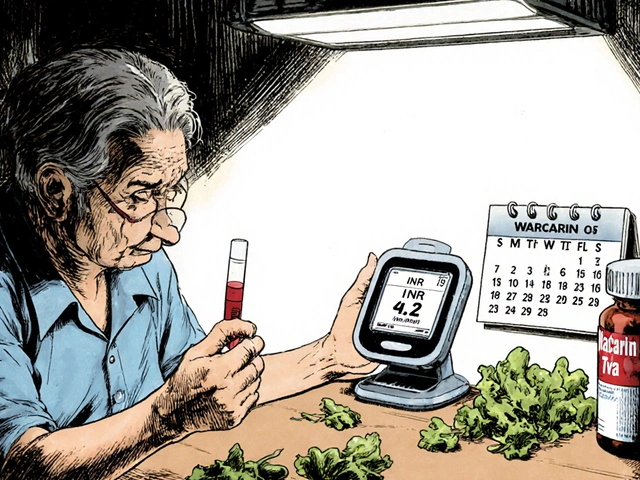

Imagine buying a bottle of painkillers or a life-saving heart medication and paying three times more than someone in Germany or the UK for the exact same pill. This isn't a hypothetical scenario; it is the daily reality for millions of Americans. As of mid-2026, prescription drug prices in the United States remain stubbornly high despite political promises and legislative attempts to curb them. You might wonder why this happens when other developed nations keep costs down. The answer lies not in one single villain, but in a tangled web of laws, middlemen, and market structures that have evolved over decades.
If you are struggling with high copays or watching your monthly premiums skyrocket, understanding these mechanics is crucial. It helps you navigate your insurance options and advocate for better care. Let’s break down exactly why American patients pay so much, looking at the specific entities and policies driving these numbers up in 2025 and 2026.
The Role of Pharmacy Benefit Managers (PBMs)
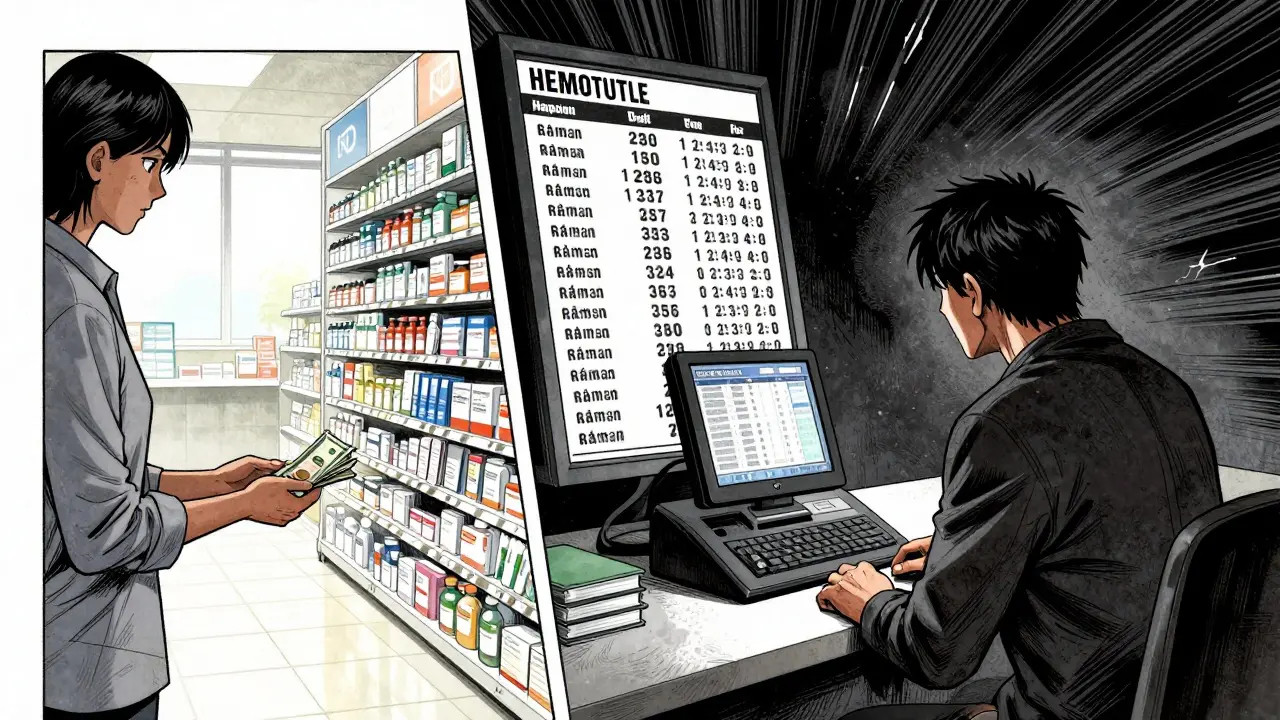
To understand drug pricing, you first need to know who actually negotiates the price. In most countries, the government does this directly. In the U.S., we rely on Pharmacy Benefit Managers (PBMs), such as CVS Caremark, Express Scripts, and OptumRx. These companies sit between drug manufacturers, insurers, and pharmacies. Originally, they were meant to be neutral administrators helping to lower costs through bulk buying power.
However, the landscape has shifted dramatically. A major analysis by Morgan Lewis in April 2025 highlighted how PBMs have evolved into vertically integrated giants. Many now own the pharmacy chains (like CVS Health) and the health plans themselves. This creates a conflict of interest. Instead of negotiating the lowest possible price for you, PBMs often negotiate for the highest "list price" from drug makers because they receive rebates based on that list price. If a drug costs $100 but the PBM gets a 20% rebate, they make $20. If the list price goes to $150, their cut grows, even if you still pay a percentage of the higher cost. This system incentivizes keeping list prices high rather than low.
Legislative Barriers to Government Negotiation
One of the biggest reasons U.S. prices are higher than in other OECD countries is historical legislation. For over two decades, the Medicare Modernization Act of 2003 prohibited Medicare from directly negotiating drug prices with manufacturers. This meant the largest buyer of drugs in the country-the federal government-had to accept whatever prices pharmaceutical companies set. While other nations use their purchasing power to demand discounts, Medicare was legally barred from doing so.
This changed partially with the Inflation Reduction Act, which allowed Medicare to negotiate prices for certain high-cost drugs starting in 2026. However, the impact has been limited. In 2026, only ten drugs are subject to negotiation. Furthermore, the 2025 budget reconciliation bill (HR 1) weakened some of these provisions. According to KFF analysis cited by the Medicare Rights Center, this reduction in efficacy could increase Medicare spending by at least $5 billion, ultimately shifting costs back to beneficiaries. The structural barrier remains: direct negotiation is still restricted compared to systems in Europe or Canada.
International Price Disparities and Profit Margins
The gap between U.S. prices and international costs is staggering. Senator Bernie Sanders’ September 2025 report provided shocking data: the drug Galzin, used for Wilson's disease, costs $88,800 annually in the U.S. compared to just $1,400 in the United Kingdom and $2,800 in Germany. That is a markup of over 1,500%. This isn't an isolated incident. The White House noted that Americans pay more than three times what other OECD nations pay for brand-name drugs, even after accounting for discounts.
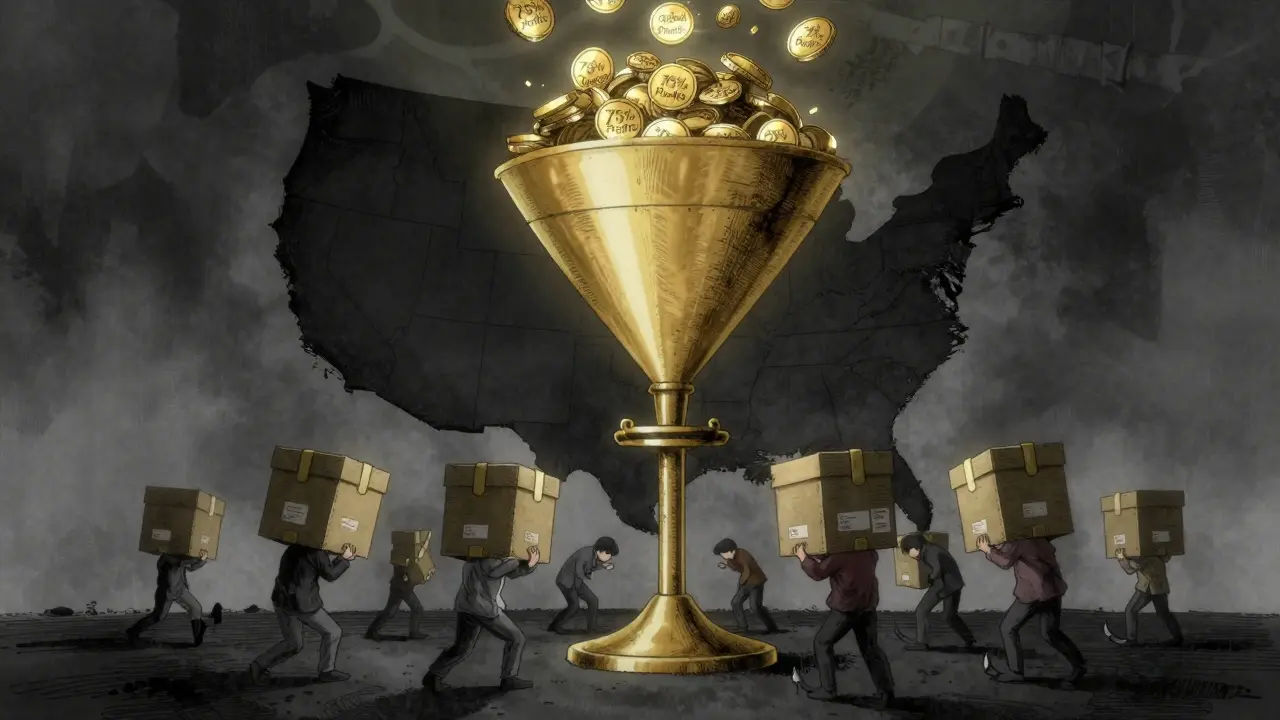
Why does this happen? The U.S. accounts for less than 5% of the global population but generates approximately 75% of global pharmaceutical profits. Companies like Pfizer, Johnson & Johnson, and Eli Lilly rely heavily on the U.S. market to subsidize lower prices elsewhere and recoup research and development (R&D) costs. While R&D is expensive, critics argue that current profit margins allow for excessive extraction at the expense of patient affordability. The lack of a unified national pricing strategy means each state, insurer, and PBM deals separately, fragmenting buying power.
| Medication | U.S. Annual Cost | UK Annual Cost | Germany Annual Cost | Markup % |
|---|---|---|---|---|
| Galzin (Wilson's Disease) | $88,800 | $1,400 | $2,800 | 1,555% |
| Ozempic (Diabetes/Obesity) | $12,000 | $3,500 | $4,200 | 243% |
| Wegovy (Weight Loss) | $16,200 | $4,100 | $4,800 | 295% |
The Impact of Specialty Drugs and New Treatments
Not all drugs are priced equally. The steepest increases come from specialty medications, particularly those for cancer, endocrine conditions, and rare diseases. IQVIA Institute reported that net prices for the U.S. market grew by 11.4% in 2024, accelerating from 4.9% in 2023. A significant driver of this growth is the surge in novel obesity and diabetes medications, such as Ozempic and Wegovy.
These drugs have expanded into new patient populations, creating unprecedented demand. Because they are often the only effective treatments available, manufacturers have immense pricing power. There is no generic competition yet for many of these newer biologics. Consequently, clinics are seeing prescription drug spending rise by 11.0-13.0% in 2025. For patients, this means higher deductibles and out-of-pocket maximums, forcing difficult choices between medication and basic needs like food or rent.
Recent Policy Changes and Their Limits
In 2025 and 2026, several policy initiatives aimed to lower costs, though results have been mixed. The White House announced executive orders directing agencies to align U.S. prices with those in other developed nations. By late 2025, the administration claimed five deals with manufacturers, including reducing the monthly price of Ozempic from $1,000 to $350 and Wegovy from $1,350 to $350 for some patients. Additionally, the Inflation Reduction Act introduced an inflation rebate system, requiring drug companies to pay Medicare if they raise prices faster than inflation. HHS reported savings for 64 drugs in early 2025.
However, these measures have not solved the systemic issue. Senator Sanders’ report noted that 688 prescription drugs increased in price since President Trump took office, contradicting promises of immediate relief. Moreover, proposals like Project 2025’s prescription drug plan face criticism for potentially increasing costs for 18.5 million seniors. The core problem remains: without comprehensive price controls or universal negotiation authority, individual deals and rebates only scratch the surface of the affordability crisis.
What You Can Do About High Drug Costs
While systemic change takes time, there are steps you can take to manage your medication expenses today:
- Ask for Generics: Always ask your doctor if a generic version is available. Generics can cost 80-85% less than brand-name drugs.
- Use Patient Assistance Programs: Many pharmaceutical companies offer coupons or assistance programs for uninsured or underinsured patients. Check websites like NeedyMeds or the manufacturer’s site.
- Compare Pharmacy Prices: Use tools like GoodRx or Mark Cuban Cost Plus Drugs to compare cash prices across different pharmacies. Sometimes paying cash is cheaper than using insurance due to PBM rebate structures.
- Review Your Formulary: Check your insurance plan’s formulary (list of covered drugs). If your prescribed drug is on a higher tier, ask your doctor about therapeutic alternatives that may be covered at a lower cost.
- Appeal Denials: If your insurance denies coverage, file an appeal. Document why the drug is medically necessary and provide supporting letters from your healthcare provider.
Understanding why prescription drug prices are so high in the United States empowers you to make informed decisions. The system is complex, involving PBMs, legislative restrictions, and global market dynamics. While recent efforts like Medicare negotiation and inflation rebates offer some hope, true affordability requires broader structural reforms. Until then, staying informed and proactive about your medication costs is essential for protecting your health and financial well-being.
Why are drug prices higher in the US than in other countries?
The US lacks direct government price negotiation for most drugs, unlike countries like Germany or the UK. Additionally, the role of Pharmacy Benefit Managers (PBMs) creates a system where high list prices generate larger rebates, incentivizing manufacturers to keep prices elevated. The US also captures 75% of global pharmaceutical profits, allowing companies to charge premium rates.
Do PBMs lower drug prices for consumers?
Not necessarily. While PBMs negotiate discounts, their business model often relies on rebates tied to high list prices. This can result in higher out-of-pocket costs for patients, especially those with coinsurance. Vertical integration of PBMs with pharmacies and insurers further complicates transparency and cost control.
Has the Inflation Reduction Act lowered drug costs?
Yes, but with limitations. The act allows Medicare to negotiate prices for select high-cost drugs starting in 2026 and imposes rebates on manufacturers who raise prices faster than inflation. However, the number of negotiated drugs is small (ten in 2026), and subsequent legislation has weakened some provisions, limiting overall impact.
What are specialty drugs and why are they so expensive?
Specialty drugs treat complex conditions like cancer, HIV, and rheumatoid arthritis. They are expensive due to high R&D costs, complex manufacturing, and limited competition. Many are biologics with no generic equivalents, giving manufacturers significant pricing power. They drive the majority of prescription drug spending growth.
How can I reduce my out-of-pocket medication costs?
You can ask for generic alternatives, use patient assistance programs from manufacturers, compare cash prices via apps like GoodRx, review your insurance formulary for lower-tier options, and appeal insurance denials. Consulting with a pharmacist can also help identify cost-saving strategies specific to your prescriptions.