

Benzodiazepine Interaction Risk Checker
Select your current medications or substances to see how they interact with benzodiazepines. This tool provides educational information based on FDA warnings and medical studies.
Check for Interactions:
Select any substances you are currently using:
Imagine you have been prescribed a pill for your anxiety. It works fast. You feel calm within an hour. But then you take that same pill while using painkillers or drinking alcohol. Suddenly, the combination stops your breathing. This is not a movie plot; it is a medical reality for thousands of people every year.
Benzodiazepines are a class of psychoactive medications primarily used to treat anxiety disorders, insomnia, seizures, and muscle spasms by enhancing the effect of the neurotransmitter GABA in the brain. They include well-known drugs like alprazolam (Xanax), diazepam (Valium), lorazepam (Ativan), and clonazepam (Klonopin). While they are effective at reducing acute anxiety symptoms quickly, they carry significant risks when mixed with other substances. The central issue is not just the drug itself, but how it interacts with other medications and substances in your body.
How Benzodiazepines Work and Why Timing Matters
To understand the danger, you need to know what these drugs do inside your body. Benzodiazepines enhance the activity of gamma-aminobutyric acid (GABA), which is the brain’s main inhibitory neurotransmitter. Think of GABA as the brake pedal for your nervous system. When you take a benzodiazepine, you are pressing that brake harder. This produces sedation, relaxation, and reduced anxiety.
The speed at which this happens depends on the specific drug. Doctors classify them by their elimination half-life, which is the time it takes for half of the drug to leave your system:
- Short-acting: Alprazolam (Xanax) and triazolam (Halcion). These work fast, often within 30 minutes, but wear off quickly. Half-lives range from 6 to 12 hours.
- Intermediate-acting: Lorazepam (Ativan). A balance between onset and duration.
- Long-acting: Diazepam (Valium) and clonazepam (Klonopin). These stay in your system much longer, with half-lives ranging from 50 to 100 hours for diazepam.
This classification matters because long-acting drugs accumulate in your body. If you take them daily, the levels build up. If you then add another substance that also slows down your nervous system, the combined effect can be catastrophic.
The Dangerous Trio: Benzodiazepines, Opioids, and Alcohol
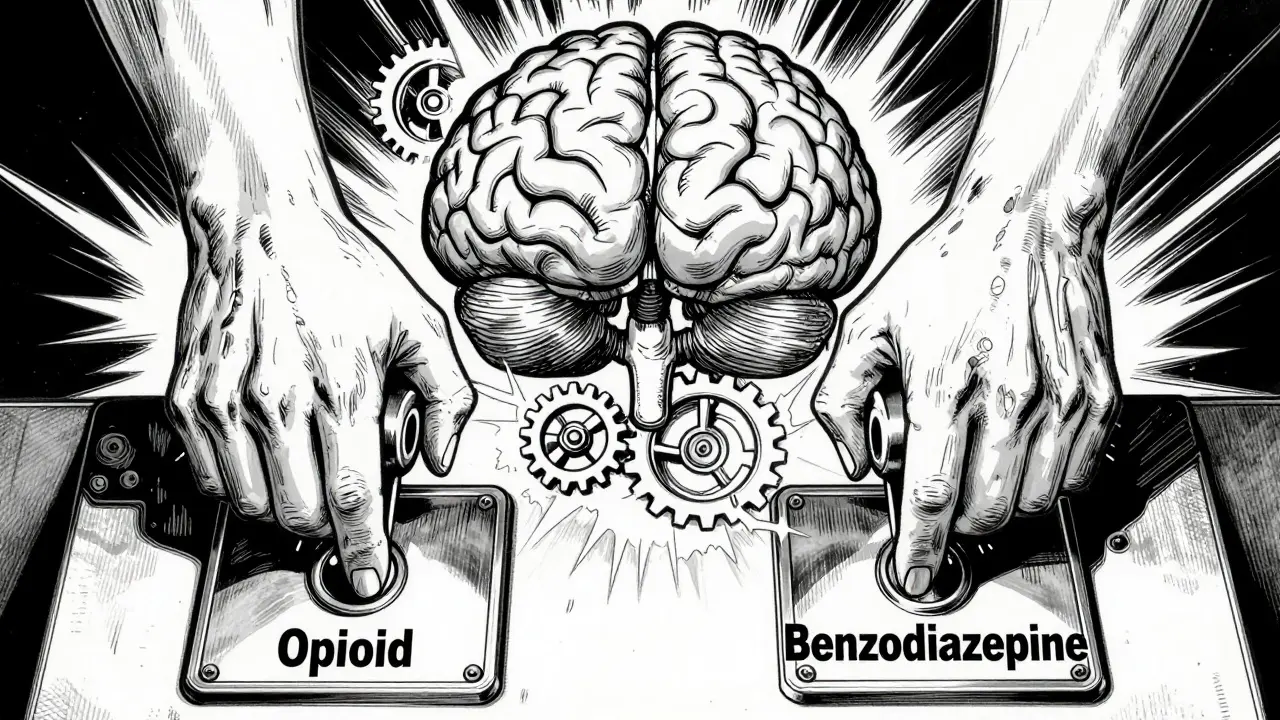
The most critical safety issue with benzodiazepines is their interaction with other central nervous system (CNS) depressants. The two biggest culprits are opioids and alcohol. When you mix these, you are not just adding their effects; you are multiplying them. This is called synergistic depression.
| Substance Combination | Primary Risk | Statistical Impact |
|---|---|---|
| Benzodiazepines + Opioids | Respiratory Depression, Coma, Death | 75% of benzo-related overdose deaths involve opioids (FDA, 2020) |
| Benzodiazepines + Alcohol | Profound Sedation, Blackouts, Aspiration | Significantly increased risk of fatal respiratory failure |
| Benzodiazepines + Antihistamines | Extreme Drowsiness, Cognitive Impairment | Increased fall risk, especially in older adults |
Why is the opioid combination so deadly? Both opioids and benzodiazepines suppress the part of your brain that controls breathing. On their own, isolated benzodiazepine overdoses rarely stop breathing completely. However, when combined with opioids, the risk skyrockets. According to the FDA’s September 2020 Drug Safety Communication, benzodiazepine-opioid combinations accounted for 23% of opioid-related deaths in 2019. Studies show a 15-fold higher risk of fatal overdose when these two classes are used together compared to opioids alone.
Alcohol acts similarly. It is a CNS depressant. Mixing Ativan with a beer might seem harmless to some, but it can lead to profound sedation, loss of consciousness, and aspiration pneumonia if you vomit while unconscious. The FDA explicitly warns against this combination in its updated Boxed Warnings.
Who Is Most at Risk?
Not everyone faces the same level of danger. Certain groups are more vulnerable to adverse drug interactions due to physiological changes or lifestyle factors.
Older Adults
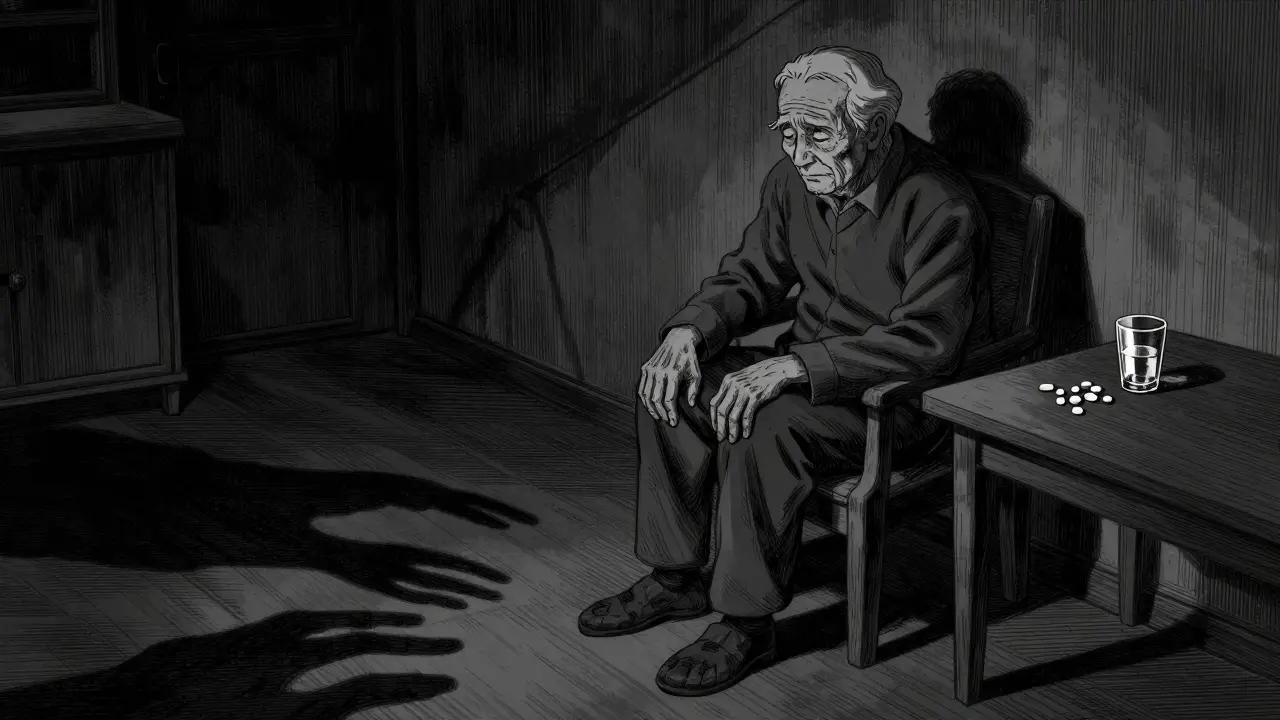
If you are over 65, benzodiazepines are particularly risky. The American Geriatrics Society Beers Criteria strongly recommends avoiding them in older adults. Why? Because aging bodies metabolize drugs slower. The drug stays in your system longer, leading to confusion, memory problems, and a significantly higher risk of falls. In fact, the risk of fractures increases by 50% in older adults taking benzodiazepines. If they combine this with other sedating medications, that risk triples. A hip fracture in an elderly person is often a life-altering event.
Patients with Chronic Pain
People managing chronic pain are often prescribed opioids. If they also suffer from anxiety, doctors might prescribe benzodiazepines. This creates a "perfect storm," as emergency physician Dr. Robert Glatter described it. Research published in JAMA Internal Medicine showed that patients prescribed both had a 154% higher risk of overdose than those on opioids alone. This is why current guidelines advise against concurrent prescribing whenever possible.
Those Using Sleep Aids
Many people use non-benzodiazepine hypnotics, known as Z-drugs (like zolpidem/Ambien), for sleep. While chemically different, Z-drugs affect the same GABA receptors. Taking a Z-drug along with a benzodiazepine doubles the sedative load. This polypharmacy is common but dangerous, leading to extreme drowsiness and impaired coordination the next day.
Safety Guidelines and What to Do
You do not have to guess whether your medication is safe. There are clear protocols designed to protect you. Here is how to navigate benzodiazepine therapy safely.
- Conduct a Full Medication Review: Before starting any new medication, tell your doctor about everything you take. This includes prescription drugs, over-the-counter medicines (like antihistamines or cold remedies), and supplements. Many OTC drugs have sedative effects that can interact with benzodiazepines.
- Avoid Alcohol Completely: Do not drink alcohol while taking benzodiazepines. Even small amounts can potentiate the sedative effects dangerously. The FDA requires medication guides to explicitly warn against this.
- Limit Duration: Benzodiazepines are best for short-term use. Long-term use leads to physical dependence. Withdrawal rates are approximately 40% for those using them for six months or more who stop abruptly. If you need long-term anxiety management, SSRIs or SNRIs are safer alternatives, though they take 4-6 weeks to work.
- Use Prescription Drug Monitoring Programs (PDMPs): Doctors should check state databases before prescribing controlled substances. If your doctor does not ask about your other prescriptions, ask them to check. States with PDMP alerts for benzodiazepine-opioid combinations saw a 27.3% reduction in concurrent prescribing.
- Taper Slowly: Never stop benzodiazepines cold turkey. Withdrawal can cause seizures. Short-acting drugs like alprazolam require very slow tapers (5-10% dose reduction every 1-2 weeks). Long-acting drugs like diazepam allow for slightly faster reductions (10-25%). Always follow a doctor’s tapering plan.
Alternatives to Consider
If you are worried about interactions, talk to your healthcare provider about alternatives. Buspirone is an anxiolytic that does not interact with opioids or alcohol in the same dangerous way. Selective Serotonin Reuptake Inhibitors (SSRIs) like sertraline or escitalopram are now the first-line treatment for anxiety disorders. They have minimal abuse potential and no respiratory depression risk. Cognitive Behavioral Therapy (CBT) is also highly effective and carries zero drug interaction risks.
The goal is not to fear medication, but to use it wisely. Benzodiazepines saved lives when used correctly for acute panic or surgery anxiety. But in the context of modern polypharmacy, they require respect and caution.
Can I take ibuprofen with benzodiazepines?
Yes, generally speaking. Ibuprofen is a non-steroidal anti-inflammatory drug (NSAID) and does not act as a central nervous system depressant. It does not have the same dangerous respiratory interactions as opioids or alcohol. However, always consult your pharmacist to ensure there are no individual health conditions that complicate this combination.
What are the signs of a benzodiazepine overdose?
Signs include extreme drowsiness, slurred speech, confusion, poor coordination, and slow or shallow breathing. If someone is unresponsive or having trouble breathing, call emergency services immediately. Naloxone (Narcan) may reverse opioid effects but will not reverse benzodiazepine effects, which is why prevention is key.
Why are benzodiazepines considered addictive?
They cause physical dependence by altering brain chemistry. Over time, your brain becomes less responsive to natural GABA, requiring more of the drug to achieve the same effect (tolerance). Stopping suddenly causes withdrawal symptoms like anxiety, insomnia, tremors, and potentially seizures. This is why they are classified as controlled substances.
Is it safe to drive after taking a benzodiazepine?
No, not immediately. Benzodiazepines impair reaction time, judgment, and motor skills. The impairment can last longer than you feel alert, especially with long-acting drugs like Valium. Avoid driving until you know how the medication affects you, and never drive if you have taken other sedatives or alcohol.
How long do benzodiazepines stay in your system?
It depends on the drug. Short-acting alprazolam has a half-life of 6-12 hours, meaning it clears relatively quickly. Long-acting diazepam has a half-life of 50-100 hours, meaning it can stay in your system for several days. Factors like age, liver function, and metabolism also influence clearance times.