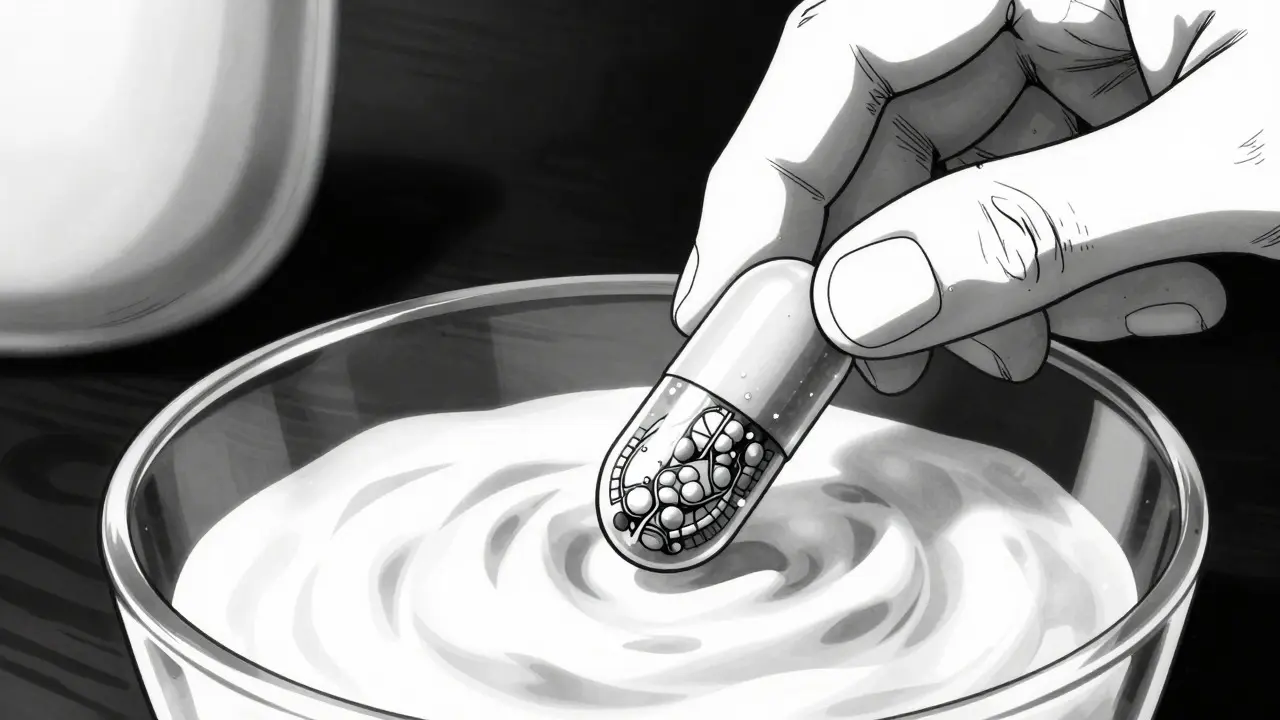
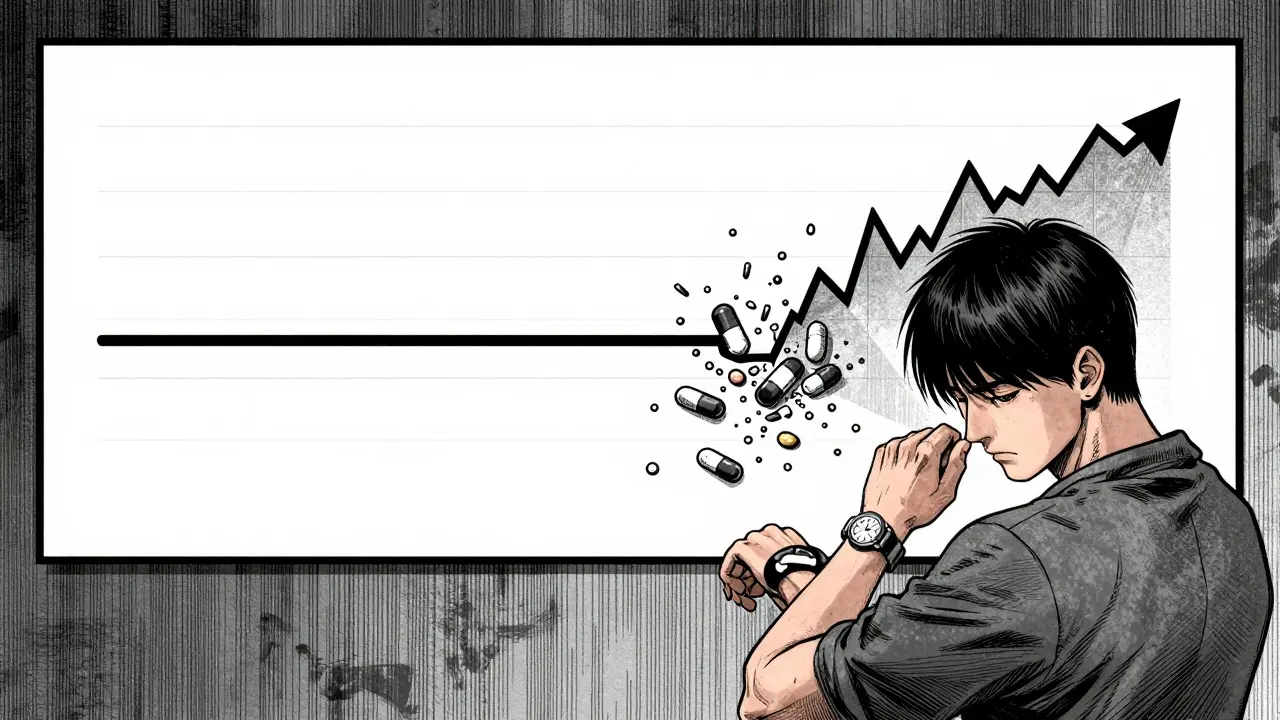
Imagine taking a pill that is supposed to last all day, but because you crushed it into your morning yogurt, your body gets the entire dose in five minutes. It sounds like a nightmare, and for patients taking extended-release medications, this is a very real risk. These drugs are engineered to release active ingredients slowly over hours or even days. If you mess with that mechanism by splitting, crushing, or chewing them, you aren't just ruining the pill-you might be overdosing.
Reading the label isn't just about knowing how many pills to take. It's about understanding the technology inside that capsule. The abbreviations on the bottle-ER, XR, SR-are code for how that drug behaves in your system. Misinterpreting these directions can lead to side effects, wasted money, or serious health emergencies. Here is exactly what those labels mean and how to read them safely.
Decoding the Abbreviations: ER, XR, SR, and More
When you pick up a prescription bottle, you will often see letters attached to the drug name. These aren't random codes; they tell you how the medication releases its power. The most common ones include:
- ER (Extended Release): Designed to release the drug gradually over time.
- XR (eXtended Release): Similar to ER, often used interchangeably, though sometimes implies a specific proprietary technology.
- SR (Sustained Release): Prolongs the release of the medication from the tablet or capsule.
- CR (Controlled Release): Releases the drug at a specific, controlled rate.
- CD (Continuous Delivery): Provides a steady stream of the medication.
While these terms sound similar, they can represent different manufacturing technologies. For example, one brand might use a matrix system where the drug is mixed with a polymer, while another uses an osmotic pump. The key takeaway is that any of these suffixes means the same thing for you: do not alter the physical form of the pill. Unless your doctor explicitly says otherwise, swallow these whole.
The Critical "Do Not Crush" Warning
This is the most important rule when dealing with modified-release formulations. According to guidelines from the Institute for Safe Medication Practices (ISMP), most extended-release dosage forms should never be crushed, split, or chewed. Why? Because doing so destroys the barrier that controls the release speed.
Think of an extended-release pill like a timed-release fertilizer pellet for plants. If you break it open, all the nutrients dump out at once. With medication, dumping the entire dose at once can cause a spike in blood concentration that leads to severe side effects or toxicity. For instance, crushing an opioid painkiller designed for 12-hour relief could deliver a fatal overdose within minutes. Always look for the bold warning on the label that says "Swallow Whole" or "Do Not Crush."
Understanding Timing and Duration
The label doesn't just say "take one pill." It specifies when and how long the effect lasts. You might see phrases like "24 hour extended release" or "12 hour sustained release." This tells you the window during which the drug is active in your body.
Timing matters more than you might think. Some extended-release medications, like certain niacin supplements for cholesterol, are best taken at bedtime to minimize side effects like flushing. Others, like ADHD medications such as Adderall XR, are designed to be taken in the morning to avoid keeping you awake at night. Taking an all-day stimulant at 8 PM is a recipe for a sleepless night. Always follow the specific timing instructions on the Drug Facts panel or your prescription label.
| Abbreviation | Full Name | Key Characteristic |
|---|---|---|
| ER | Extended Release | Gradual release over time |
| XR | eXtended Release | Often proprietary technology, gradual release |
| SR | Sustained Release | Prolongs release duration |
| CR | Controlled Release | Specific, controlled rate of release |
| CD | Continuous Delivery | Steady stream of medication |
Navigating the Drug Facts Panel
For over-the-counter (OTC) extended-release products, the FDA mandates a "Drug Facts" panel. This section is your roadmap. It contains four critical areas:
- Uses: What conditions the drug treats.
- Warnings: Crucial safety info, including "Do Not Crush" directives.
- Directions: Exact timing and dosage instructions.
- Inactive Ingredients: The non-drug components that help control the release.
Pay close attention to the "Inactive Ingredients." These polymers and coatings are what make the extended-release possible. If you have allergies to certain dyes or fillers, this list is vital. Also, note that "Maximum Strength" on an OTC label doesn't always mean a higher dose; it often refers to the optimized release profile that allows for longer-lasting relief with fewer doses.
Brand Names vs. Generic Equivalents
Here is where it gets tricky. Two generic versions of the same drug might both be labeled "extended release," but they might use different technologies. For example, there are three distinct 24-hour extended-release formulations of diltiazem (a heart medication) that are not interchangeable. One might use an osmotic pump, while another uses a matrix coating.
This means you cannot simply switch between brands without checking with your pharmacist. The ISMP reports that confusion between similar names but different release mechanisms causes a significant number of medication errors. Always confirm with your healthcare provider if you are switching from a brand-name extended-release drug to a generic, or between different generics.
Practical Tips for Safe Use
To ensure you are getting the full benefit of your medication without risks, follow these steps:
- Use the Teach-Back Method: When your pharmacist hands you the medication, repeat the instructions back to them. Ask, "Should I take this with food? Can I split it if I miss a dose?"
- Check for Score Lines: Only split pills if they have a visible score line and your doctor approves. Most extended-release pills do not have score lines for this reason.
- Scan QR Codes: Newer labels often include QR codes that link to video instructions or detailed patient guides. Scan them to get visual confirmation of how to take your med.
- Keep a Log: Note the time you take your medication. This helps you identify if side effects are related to peak drug levels in your bloodstream.
Misunderstanding extended-release labels is common, but it is preventable. By recognizing the abbreviations, respecting the "do not crush" rule, and paying attention to timing, you protect yourself from unnecessary risks. Your medication is a tool designed to work steadily over time-let it do its job by treating it with care.
Can I crush extended-release pills if they are too big to swallow?
Generally, no. Crushing extended-release pills destroys the mechanism that controls the drug's release, potentially causing an overdose. If you have trouble swallowing pills, ask your doctor about liquid alternatives or smaller-sized tablets. Never crush unless explicitly instructed by a healthcare professional.
What is the difference between ER and XR medications?
Both ER (Extended Release) and XR (eXtended Release) indicate that the medication releases slowly over time. However, XR often refers to a specific proprietary technology used by a manufacturer. While they serve the same purpose, they may not be interchangeable due to differences in how the drug is released. Always consult your pharmacist before switching.
Why do some extended-release pills need to be taken at bedtime?
Some medications, like extended-release niacin, cause side effects such as flushing that are less bothersome when you are asleep. Others may be timed to align with your body's natural rhythms or to provide relief during the night. Follow the specific timing instructions on your label to maximize benefits and minimize discomfort.
Are generic extended-release drugs the same as brand-name ones?
Not always. While they contain the same active ingredient, different manufacturers may use different technologies to achieve the extended release. This can affect how the drug is absorbed. For example, some 24-hour diltiazem formulations are not bioequivalent. Always check with your doctor or pharmacist before substituting brands.
What should I do if I miss a dose of my extended-release medication?
If you miss a dose, take it as soon as you remember, unless it is almost time for your next dose. Do not double up to make up for a missed dose, as this can lead to high concentrations of the drug in your body. Consult your medication guide or pharmacist for specific advice tailored to your drug.