Acetaminophen Overdose: Signs, Risks, and What to Do
When you take too much acetaminophen, a common pain reliever and fever reducer found in over 600 medications. Also known as paracetamol, it’s safe at recommended doses—but a small overdose can shut down your liver in days. You don’t need to swallow a whole bottle to cause harm. Just a few extra pills a day, or mixing it with alcohol, can push you past the safety line without you realizing it.
Most people don’t know that acetaminophen, the active ingredient in Tylenol and countless cold and flu formulas, hides in so many products. A nighttime sleep aid, a headache pill, a prescription painkiller—each might contain it. Taking two at once? You’re already at risk. The liver breaks down acetaminophen, but it has a limit. Once that limit is crossed, toxic byproducts build up and start killing liver cells. This isn’t a slow process. Within 24 to 48 hours, you could be in critical condition—with nausea, sweating, and confusion that look like the flu. By day three, jaundice, abdominal pain, and confusion mean your liver is failing.
That’s why liver damage, the most serious outcome of acetaminophen overdose is often silent until it’s too late. Emergency rooms see hundreds of these cases every year. Many are accidental—someone took an extra pill for a headache, didn’t check the label, and didn’t realize their cold medicine already had it. Others are intentional, but even then, people don’t expect how fast things can go wrong. The good news? There’s an antidote: N-acetylcysteine. But it only works if given early. Waiting for symptoms to get worse is a deadly gamble.
It’s not just about pills. Alcohol, fasting, or certain medications can make your liver more vulnerable. If you drink regularly, even normal doses of acetaminophen can be risky. If you’re on long-term pain meds, check every label. If you’re caring for an elderly parent, watch what they’re taking—many don’t realize how many products contain it. And if you think you’ve taken too much, don’t wait. Call poison control or go to the ER. Every hour counts.
Below, you’ll find real stories and practical advice from people who’ve dealt with medication errors, liver risks, and drug safety mistakes. Some posts show how generic versions can confuse users. Others reveal how busy patients miss warning signs. One even explains how a simple label translation error led to a near-fatal mix-up. These aren’t hypotheticals—they’re the kind of mistakes that happen every day. But they don’t have to happen to you.
7
OTC Cold and Flu Combinations: How to Avoid Double Dosing Dangerous Ingredients
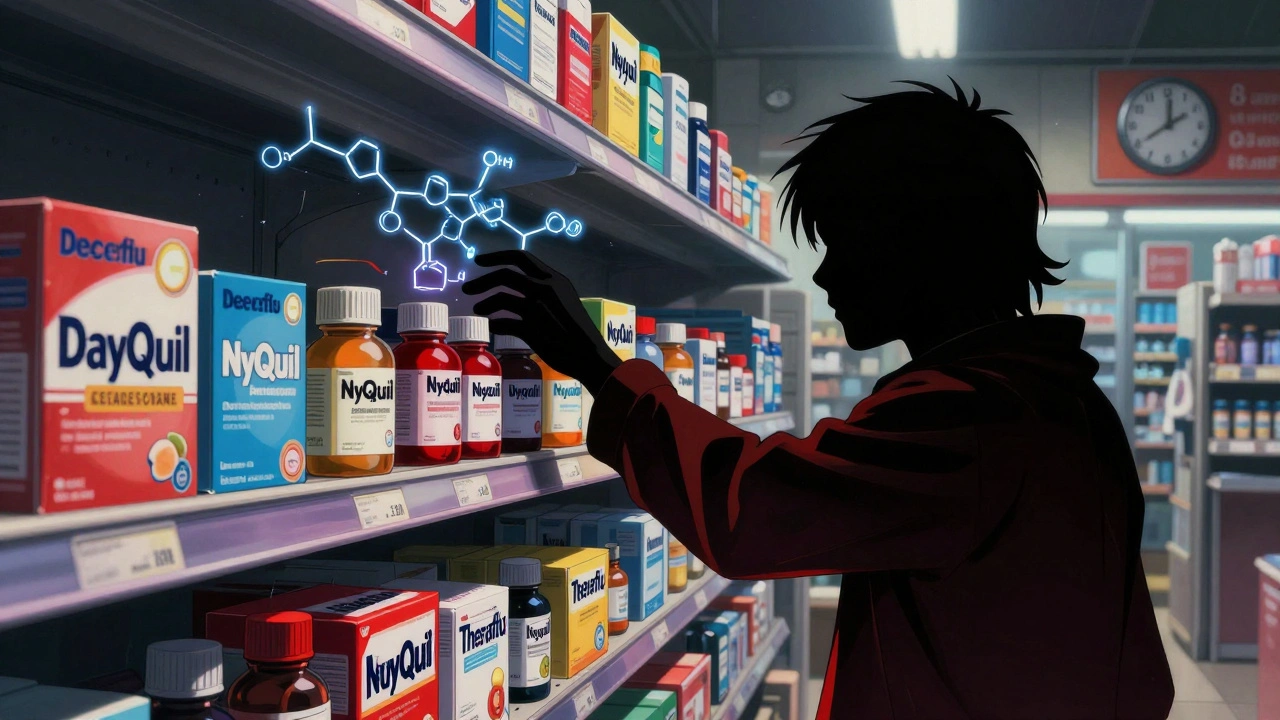
Avoid dangerous acetaminophen overdoses by learning how to read OTC cold and flu labels. Most combo meds contain hidden pain relievers that can harm your liver if mixed with other drugs.