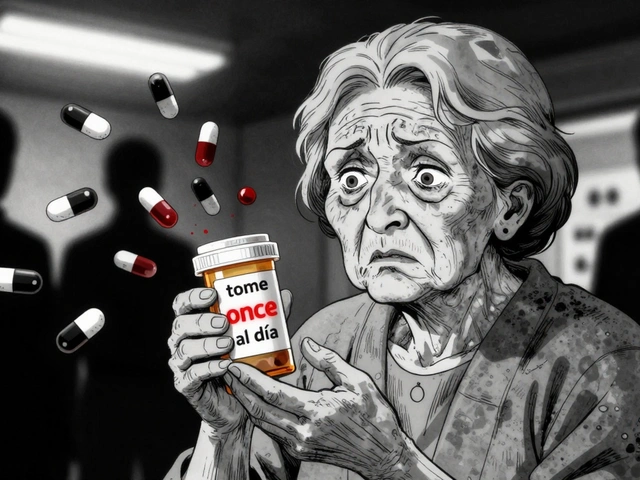
Antibiotic Overview: Types, Uses, and Safety
When dealing with antibiotic, a medicine that kills or stops the growth of bacteria. Also known as antibacterial drug, it is essential for treating bacterial infections. In everyday language, you’ll hear about Broad-spectrum antibiotic, a class that targets a wide range of bacterial species and Antibiotic resistance, the ability of bacteria to survive despite drug exposure. Understanding these three entities helps you see why doctors prescribe certain drugs, why misuse can be dangerous, and how resistance shapes future treatment options. Antibiotic therapy encompasses bacterial infection treatment, resistance influences prescribing practices, and broad-spectrum agents require careful monitoring to avoid unwanted side effects.
Why Proper Use Matters
Prescription antibiotics such as azithromycin, ciprofloxacin, amoxicillin, and erythromycin are among the most common choices listed in our articles. Each has a specific spectrum, dosing schedule, and risk profile. For example, azithromycin is prized for its short course, while ciprofloxacin covers many gram‑negative bugs but can affect tendons if misused. When you follow the exact dosage and finish the full course, you lower the chance of resistance and reduce the risk of relapse. Skipping doses, sharing pills, or using leftover meds breaks the kill‑curve, giving bacteria a chance to adapt. That’s why health experts stress that antibiotic resistance is a public‑health threat – it forces clinicians to turn to stronger, often more toxic drugs.
Buying generic antibiotics online has become popular, especially for cost‑conscious patients. Guides on cheap generic ciprofloxacin, azithromycin, and amoxicillin walk you through verifying licensed pharmacies, spotting counterfeit packaging, and understanding price variations across regions. Generic versions contain the same active ingredients, which means efficacy remains unchanged when you source from reputable sellers. However, you still need a valid prescription, proper dosing instructions, and awareness of potential drug interactions—like chlorambucil with antibiotics, which some of our posts explain in detail.
Beyond the drugs themselves, lifestyle factors affect how well antibiotics work. Adequate hydration, balanced nutrition, and avoiding alcohol with certain agents can speed recovery. If you’re dealing with chronic conditions such as diabetes or heart disease, you’ll find articles that explain how these illnesses interact with antibiotic choice and dosing. All this information builds a bigger picture: from the chemistry of each drug to the real‑world steps you take to stay safe.
Below you’ll discover a curated collection of articles that dive deeper into specific antibiotics, drug‑interaction warnings, buying guides, and resistance management. Whether you’re looking for a quick safety checklist or an in‑depth comparison, the posts ahead give you practical insights you can act on right away.
16

Baycip vs Other Ciprofloxacin Alternatives - Detailed Comparison Guide
A side‑by‑side look at Baycip (ciprofloxacin) versus common alternatives, covering effectiveness, safety, resistance trends and when each drug is the right choice.