Needles: What They Are, How They're Used, and What You Need to Know
When you think of needles, thin, pointed instruments used to deliver medication or draw blood. Also known as injection needles, they are one of the most common tools in modern healthcare—used daily in hospitals, clinics, and even at home for conditions like diabetes, arthritis, or chronic pain. But needles aren’t just tools. They’re part of a larger system that includes syringes, devices that hold and control the flow of liquids through a needle, and needle safety protocols, standards designed to prevent injuries and infections. These three work together: without the right syringe, a needle can’t deliver the dose. Without proper handling, even the safest needle becomes a risk.
Needles come in different sizes, shapes, and purposes. Some are thin and short, like those used for insulin shots. Others are thicker and longer, like the ones used for vaccines or drawing blood. In chronic pain management, needles are part of nerve blocks or trigger point injections. In gout treatment, they help deliver medication directly into joints. Even in mental health, needles play a role—some antidepressants and mood stabilizers are injected. The same needle that helps someone manage their blood sugar might also be used to give someone a steroid shot for inflamed joints or a shot of antibiotics for a serious infection. The context changes, but the tool stays the same: precise, simple, and powerful.
But needles aren’t just about delivery. They’re about safety. A single reused needle can spread infections like hepatitis or HIV. That’s why single-use, sterile needles are standard. It’s also why needle disposal bins exist in clinics and why home users are taught to never recap needles. Even the smallest mistake—like dropping a needle or not securing the cap—can lead to injury. Needlestick injuries are common among healthcare workers, but they happen to patients too, especially when managing long-term conditions at home. That’s why knowing how to handle, use, and dispose of needles matters just as much as knowing why you need them.
Looking at the posts here, you’ll find real-world examples of how needles connect to everyday health issues. From medications like allopurinol for gout to corticosteroids like Decadron, many treatments require injections. Others, like isosorbide mononitrate for angina or chlorambucil for cancer, are delivered via needle because they need to enter the bloodstream directly. Even supplements and natural remedies sometimes require injection forms. The common thread? Needles make these treatments work. They’re not optional. They’re necessary.
What you’ll find below are clear, practical guides on how needles relate to specific drugs, conditions, and safety steps. Whether you’re taking an injection at home, managing side effects from a needle-based treatment, or just trying to understand why your doctor chose this method over a pill, these posts give you the facts without the jargon. No fluff. No guesswork. Just what you need to know to use, understand, or talk about needles with confidence.
14
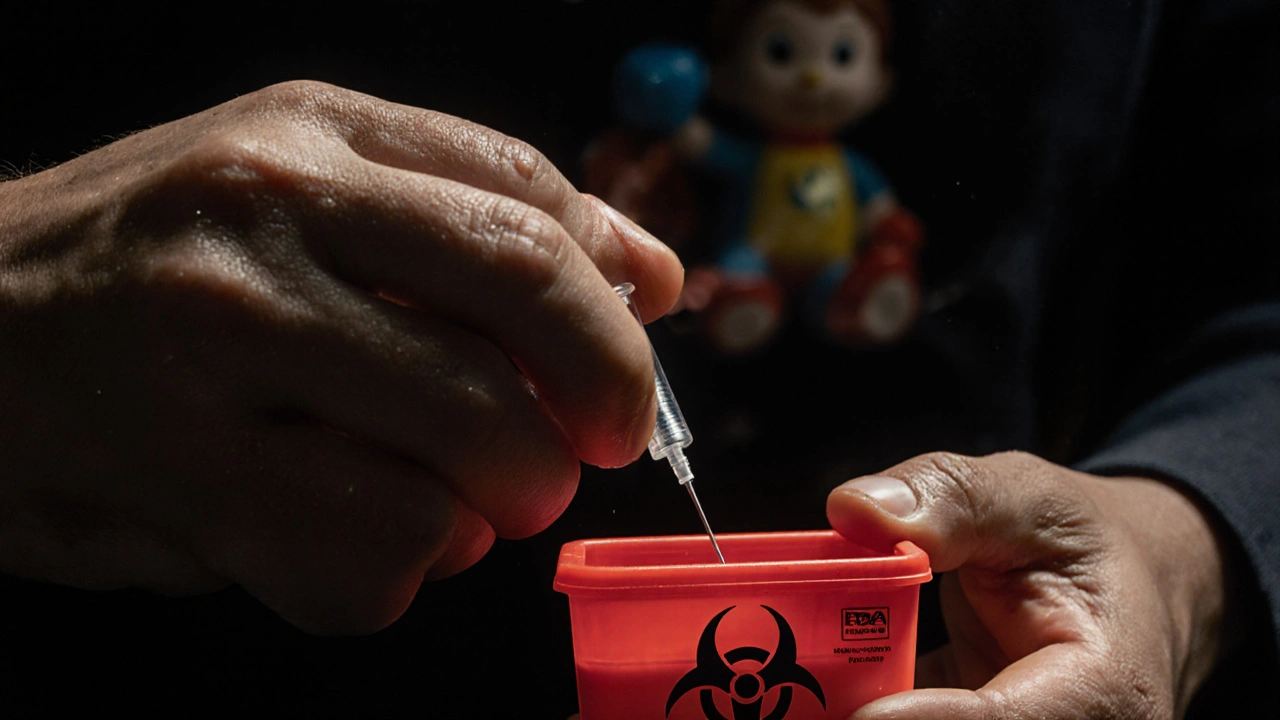
How to Dispose of Sharps and Needles from Injected Medications Safely
Learn how to safely dispose of needles and sharps from injected medications to prevent injuries and infections. Find out what containers to use, where to drop them off, and what happens if you don’t.