
Before generic drugs became the norm, most Americans paid full price for every prescription. Today, over 90% of prescriptions filled in the U.S. are for generic versions of brand-name drugs. But this wasn’t always the case. The journey from questionable drug quality in the 1800s to today’s massive generic market is a story of regulation, corporate strategy, and public health wins - and sometimes, serious setbacks.
The Roots of Drug Standards
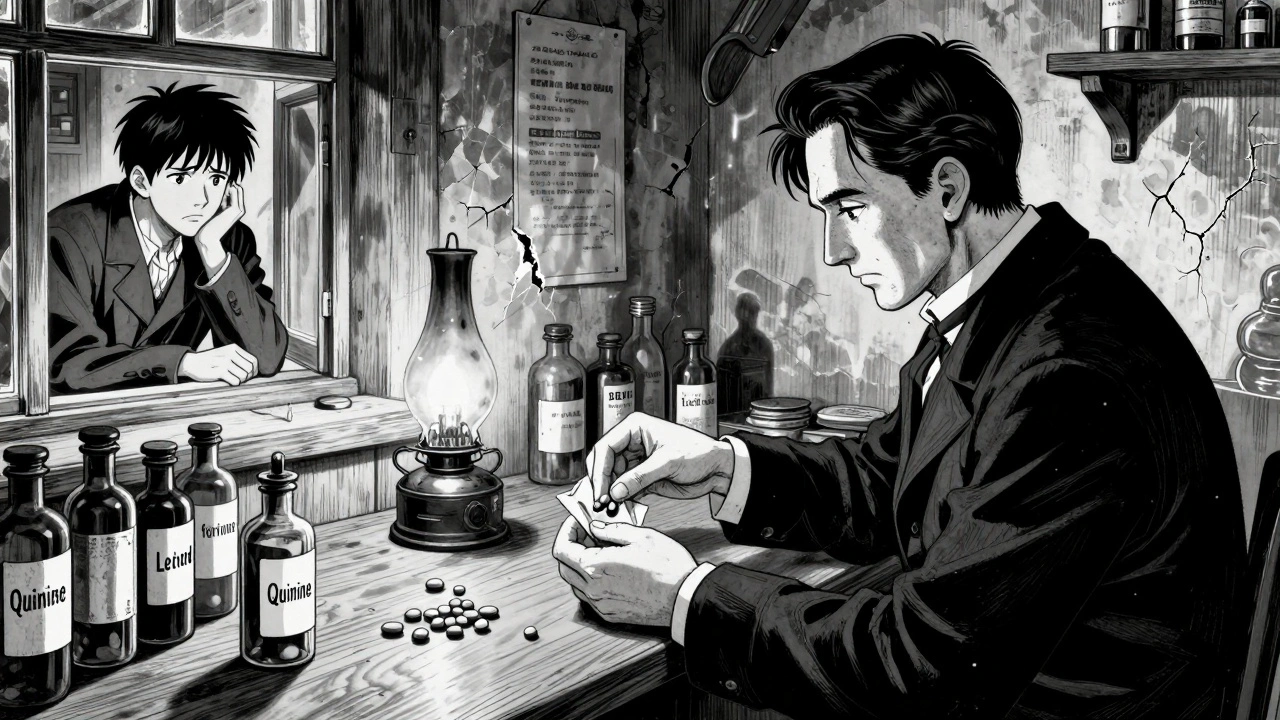
The story starts long before anyone talked about "generic" drugs. In 1820, eleven doctors met in Washington, D.C., and created the first U.S. Pharmacopeia. Their goal? To list exactly what medicines should contain. At the time, drugs were often mixed by hand, sometimes with dangerous fillers like chalk or lead. There were no rules. If you bought a pill labeled "quinine," you had no guarantee it actually contained quinine. By 1848, the U.S. government stepped in with the Drug Importation Act. It gave customs officials the power to stop fake or spoiled drugs from entering the country. This was the first real federal attempt to control drug quality - but it only applied to imports. Most drugs were still made locally, and standards varied wildly. In 1888, the American Pharmaceutical Association published the National Formulary. It gave pharmacists a reference guide to help them avoid counterfeits. Still, there was no legal requirement for manufacturers to follow these standards. That changed in 1906 when President Theodore Roosevelt signed the Federal Food and Drugs Act. For the first time, labels had to be truthful. If a drug claimed to cure cancer and didn’t, the government could act. This law laid the groundwork for what would become the FDA.The Elixir Sulfanilamide Disaster
The real turning point came in 1937. A pharmaceutical company in Tennessee created a liquid version of the antibiotic sulfanilamide using diethylene glycol - a toxic chemical used in antifreeze. They didn’t test it for safety. Over 100 people, mostly children, died. The public outcry was immediate. In 1938, Congress passed the Federal Food, Drug, and Cosmetic Act (FDCA). This law required drugmakers to prove their products were safe before selling them. It also gave the FDA authority to inspect factories and seize unsafe drugs. For the first time, safety wasn’t optional - it was the law.Prescriptions and the Birth of the Modern System
Before 1951, you could walk into a pharmacy and buy almost any drug over the counter - even strong painkillers and antibiotics. The Durham-Humphrey Amendment in 1951 changed that. It created the clear split between prescription and over-the-counter drugs. If a drug needed medical supervision, it had to be sold only with a doctor’s note. This helped control misuse and set the stage for how drugs would be regulated moving forward. Then came the Kefauver-Harris Drug Amendments of 1962. These were triggered by the thalidomide crisis in Europe, where thousands of babies were born with severe birth defects after their mothers took the drug during pregnancy. Although thalidomide wasn’t approved in the U.S., the FDA’s refusal to license it - thanks to an inspector named Frances Kelsey - made headlines. The amendments required drug companies to prove not just safety, but also efficacy. Every new drug had to show it actually worked for its claimed use. And here’s the key part: drugs already on the market between 1938 and 1962 had to go back and prove they worked. That meant thousands of drugs were pulled or reformulated. It was messy, expensive, and slow - but it raised the bar for everything that came after.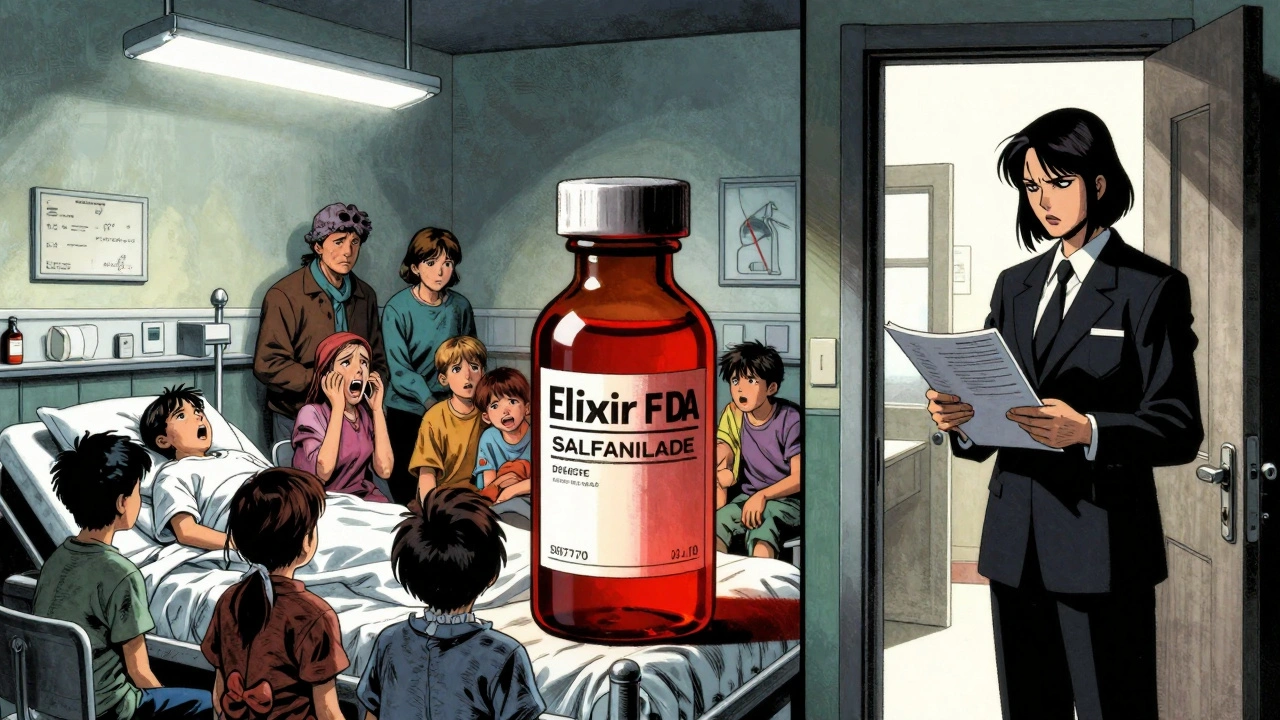
The Hatch-Waxman Act: The Game Changer
By the early 1980s, brand-name drug companies held a near-monopoly. Patents protected their drugs for 17 years, and no one else could legally make a copy. When patents expired, generics were still rare - only 19% of prescriptions were for them. Why? Because the FDA required generic makers to repeat the same expensive clinical trials as the original drug. It was financially impossible for most companies. That changed in 1984 with the Drug Price Competition and Patent Term Restoration Act - better known as the Hatch-Waxman Act. It created the Abbreviated New Drug Application (ANDA). Instead of redoing clinical trials, generic manufacturers only had to prove their drug was bioequivalent to the brand-name version. That meant it released the same amount of active ingredient into the bloodstream at the same rate. No need to prove safety again. No need to prove it worked. Just prove it was the same. The law also gave brand-name companies a 30-month extension on their patents if a generic company challenged the patent in court. This was meant to balance innovation and competition. But over time, it became a tool for delay. Some brand-name companies filed dozens of lawsuits - even when the patent was clearly weak - just to block generics from entering the market. The results were dramatic. Within a decade, generic market share jumped to over 50%. By 2022, it hit 90.5%.Cost Savings That Changed Healthcare
The financial impact is staggering. In 2021 alone, generic drugs saved the U.S. healthcare system $373 billion. Over the past decade, total savings exceeded $3.7 trillion. The Congressional Budget Office found generics cut prescription costs by 80-85% compared to brand-name drugs. Yet here’s the twist: generics make up just 23.4% of total drug spending. That means they’re saving money not just for patients, but for insurers, Medicare, Medicaid, and employers. Without generics, many people would simply stop taking their meds - because they couldn’t afford them. Take insulin. The brand-name version can cost over $300 per vial. The generic version? Around $25. That’s not a small difference. It’s the difference between managing a chronic condition and risking hospitalization.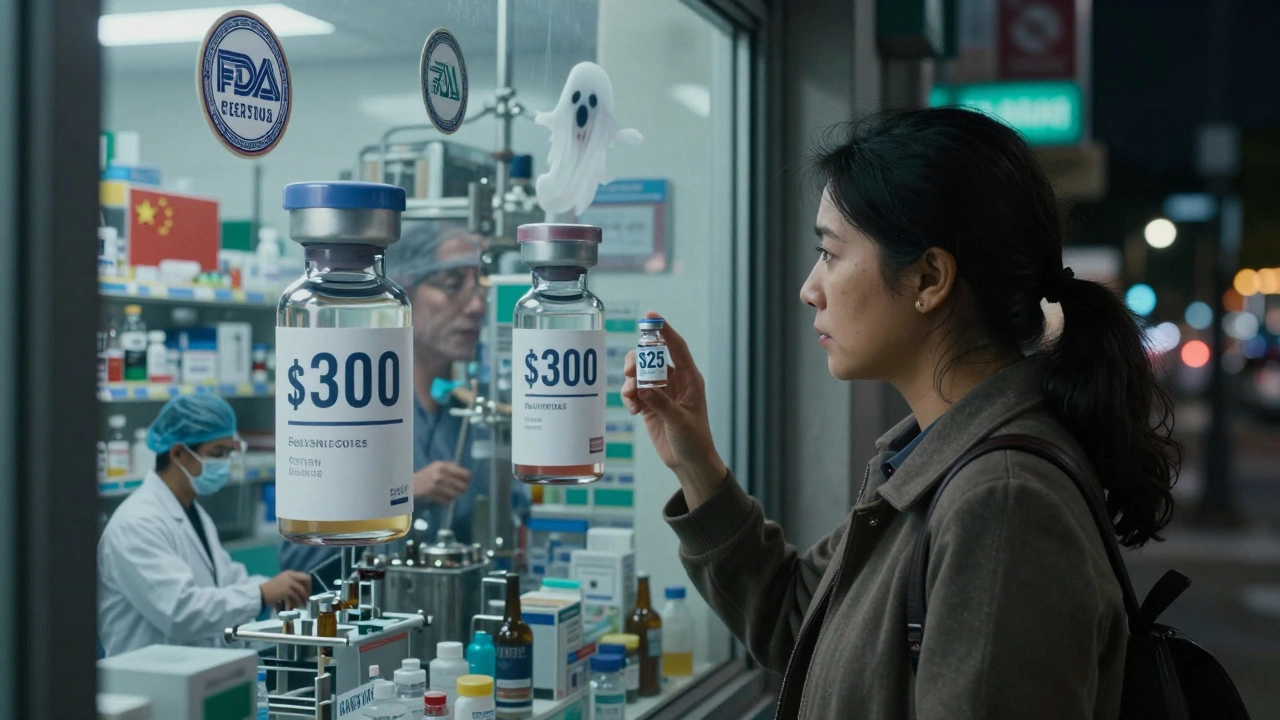
Quality Problems and Supply Chain Risks
Despite their success, generics haven’t been without controversy. Between 2018 and 2022, the FDA recorded 1,234 drug shortages. Sixty-five percent of them involved generic drugs. Why? Because many of these drugs are made overseas - in factories in China and India. The FDA says about 80% of active pharmaceutical ingredient (API) facilities are outside the U.S. Quality control has been an issue. In 2018, the FDA found contamination in generic heart medication made in India. In 2020, cancer drugs were recalled due to impurities. These weren’t isolated incidents. They pointed to systemic problems in global supply chains and inconsistent oversight. Even more troubling: price spikes. While overall generic prices have fallen, 15% of generic drugs saw price increases of over 100% between 2013 and 2017. Some went from pennies to dollars overnight. Why? Because when only one or two companies make a drug, they can raise prices with little competition. That’s what happened with doxycycline, a common antibiotic. Its price jumped from $20 to over $1,800 per bottle in just a few years.Modern Efforts to Fix the System
The FDA launched the Generic Initiative for Value and Efficiency (GIVE) in 2007 to speed up approvals and reduce backlogs. Then came the Generic Drug User Fee Amendments (GDUFA) in 2012. Before GDUFA, it took an average of 30 months to approve an ANDA. Now? It’s down to 10 months. Approval rates jumped from 45% to 95%. In 2019, Congress passed the CREATES Act. It was designed to stop brand-name companies from blocking access to samples needed for testing. Some manufacturers refused to sell samples to generic companies, making it impossible to prove bioequivalence. The FDA has now taken 27 enforcement actions under this law. Today, the FDA oversees more than 22,000 generic products and 13,000 manufacturing sites worldwide. About 900 new generic applications are approved each year.What’s Next? Biosimilars and Beyond
The next frontier isn’t just chemical generics - it’s biosimilars. These are copies of complex biologic drugs like Humira, Enbrel, and Humalog. Unlike traditional generics, biosimilars aren’t exact copies. They’re highly similar, but harder to replicate. The first biosimilar was approved in 2015. Since then, dozens have entered the market. IQVIA predicts that by 2027, generics will still make up 90-92% of prescriptions. Biosimilars could add another 10-15% to that total. But their success depends on whether insurers and pharmacies are willing to push them - and whether patients trust them. The history of generic drugs in the U.S. isn’t just about science or regulation. It’s about access. It’s about whether a single mother with diabetes can afford her insulin. Whether a veteran can get his blood pressure pills without choosing between medicine and rent. Generic drugs didn’t just lower prices - they made healthcare possible for millions who couldn’t otherwise afford it.Are generic drugs as safe as brand-name drugs?
Yes. The FDA requires generic drugs to meet the same strict standards as brand-name drugs for quality, strength, purity, and performance. They must be bioequivalent - meaning they work the same way in the body. The FDA inspects manufacturing facilities for both types of drugs using the same criteria. There is no difference in safety or effectiveness.
Why are generic drugs cheaper?
Generic manufacturers don’t have to repeat expensive clinical trials. They only need to prove their product is bioequivalent to the brand-name version. They also don’t spend money on marketing or advertising. With multiple companies making the same drug, competition drives prices down. That’s why a 30-day supply of generic lisinopril might cost $4, while the brand version could be $50 or more.
Can a generic drug be made by the same company that makes the brand version?
Yes. Many brand-name companies also make generic versions of their own drugs after the patent expires. For example, Pfizer makes both Lipitor (brand) and atorvastatin (generic). This is common and legal. The generic version is chemically identical - it just doesn’t carry the brand name or marketing costs.
Why do some generic drugs have different shapes or colors than the brand version?
By law, generic drugs can’t look exactly like the brand version - that would violate trademark rules. So manufacturers change the shape, color, or coating. But the active ingredient, dosage, and effectiveness are the same. The differences are only in inactive ingredients like dyes or fillers, which don’t affect how the drug works.
What’s the difference between a generic drug and a biosimilar?
Generic drugs are exact copies of small-molecule drugs made with chemicals. Biosimilars are copies of large, complex biologic drugs made from living cells - like insulin or cancer treatments. Because biologics are made from living systems, biosimilars can’t be identical, only highly similar. They require more testing and are more expensive to develop than traditional generics.
Why are some generic drugs hard to find or have shortages?
Many generic drugs are made overseas, and supply chains are fragile. If a factory in India or China shuts down for inspection or due to quality issues, production stops. Also, if only one or two companies make a low-cost generic, they may stop producing it if profits are too slim. That’s why some older, cheap drugs - like penicillin or hydrocortisone - keep disappearing from shelves.
How does the FDA monitor generic drug quality?
The FDA inspects all drug manufacturing facilities - whether they make brand-name or generic drugs - using the same standards. They conduct over 3,500 inspections annually worldwide. The agency also tests random samples of drugs on the market and requires manufacturers to report any quality issues. If a drug fails testing or violates safety rules, the FDA can issue recalls or block imports.
Erin Nemo
December 2, 2025 AT 20:32Just had my generic blood pressure med refill today - $5 at CVS. My dad used to pay $80 for the brand back in the 90s. We’re literally saving lives with these pills.
Edward Hyde
December 4, 2025 AT 09:31Let’s be real - generics are the only reason I’m not selling a kidney to afford my antidepressants. Big Pharma’s been laughing all the way to the bank until Hatch-Waxman slapped them with reality.
James Allen
December 6, 2025 AT 06:33Y’all act like generics are some miracle of American ingenuity, but let’s not forget - most of these pills are made in China or India. The FDA inspects ‘em? Sure. But how often? And who’s watching the factory workers breathing in chemical dust while they pack our heart meds? This ain’t progress, it’s outsourcing with a smiley face.
I’m not anti-generic. I’m anti-exploitation. We got our cheap meds, sure - but at what cost? Someone’s getting paid pennies to make your insulin, and someone’s getting rich off it. That’s capitalism, baby.
And don’t even get me started on the 15% of generics that spike 1000% overnight. That’s not market competition - that’s a cartel with a pharmacy label.
Yeah, we saved $3.7 trillion. But how many people died because a batch of metformin had NDMA in it? How many got sick because a factory in Hyderabad skipped a QC step to hit quarterly targets? We don’t talk about that. We just take our $4 pills and call it a win.
It’s not a victory lap. It’s a compromise. And I’m tired of pretending it’s clean.
ariel nicholas
December 7, 2025 AT 02:30Wait-so we’re celebrating the fact that we outsourced our entire pharmaceutical supply chain to countries with weaker labor laws and zero transparency? And we call this freedom? The FDA inspects 3,500 facilities annually? That’s one inspection every 1.5 days for 13,000 sites worldwide. That’s not oversight-it’s a joke. You think your generic Xanax is safe? Try telling that to the guy whose batch had lead contamination in 2019. The system’s rigged. And you’re all just happy to get your $3 pills.
Rachel Stanton
December 8, 2025 AT 00:53It’s important to recognize that the Hatch-Waxman Act didn’t just lower prices-it created a bridge between innovation and access. Generic manufacturers now have a clear, legal pathway to enter the market, which incentivizes competition without sacrificing safety. The FDA’s GDUFA program has been transformative: reducing approval times from 30 to 10 months means more patients get affordable meds faster. But we still need to address the consolidation in generic manufacturing-when only two companies produce a drug, price gouging becomes inevitable. Policy solutions like bulk purchasing and import diversification could help stabilize supply chains.
Amber-Lynn Quinata
December 8, 2025 AT 04:46Did you know? The FDA doesn’t test every single batch of generic drugs. 😳 They only test a random sample. So if your generic metformin has a bad batch? You might be the one who gets it. And no one will ever tell you. 🤫 I read this on a blog. It’s scary. I stopped taking my generic thyroid med. I pay $50 extra for the brand now. Better safe than sorry. 💔
Scotia Corley
December 8, 2025 AT 22:23It is, without question, a remarkable achievement of regulatory architecture that the United States has managed to maintain pharmaceutical integrity while achieving such profound cost reductions. The bioequivalence standard, while pragmatic, is not without theoretical limitations. One must consider the pharmacokinetic variance inherent in non-identical excipients. The clinical equivalence, though statistically validated, may not always translate to individual patient outcomes. The system, while efficient, is not infallible.
Charlotte Collins
December 9, 2025 AT 06:10They say generics are just as good. But have you ever noticed how some of them make you feel weird? Like, not sick - just… off? I switched from brand Zoloft to generic sertraline and spent three weeks feeling like I was underwater. My doctor said it’s 'placebo effect.' But I’ve been on antidepressants for 12 years. I know my body. The brand works. The generic? It’s like drinking tap water instead of filtered. You’ll survive. But you won’t thrive.
Margaret Stearns
December 10, 2025 AT 01:28My grandma takes 8 pills a day. Half are generic. She says they work fine. She’s 82 and still gardening. I think that’s the real test.
amit kuamr
December 10, 2025 AT 13:07India makes most of the world’s generics. That’s why prices are low. But when a factory gets shut down by FDA for bad records, everyone suffers. America needs to build more plants here. We can’t depend on foreign factories for our medicine. This is a national security issue. No more outsourcing life-saving drugs.
elizabeth muzichuk
December 12, 2025 AT 01:46They told us generics were safe. But what if the FDA is in bed with Big Pharma? What if they’re covering up the real truth? Why do so many recalls come from India? Why do the same companies keep getting inspected but never punished? Someone’s hiding something. And it’s not just about money - it’s about control. Who really owns your medicine?
Kenny Leow
December 12, 2025 AT 18:23As someone who grew up in Singapore where generics are the default, I’ve never understood the American drama around them. They work. They’re cheaper. The science is solid. Maybe if we stopped treating medicine like a luxury item, we’d all be better off.
Also - your insulin costs $300? That’s criminal. Not because of the generic - because of the system.
Kelly Essenpreis
December 13, 2025 AT 00:15Generic drugs? More like generic capitalism. They took a life-saving invention and turned it into a race to the bottom. Now we’ve got a two-tier system: the rich get the brand, the rest get the mystery pill from a factory that may or may not have passed inspection. Congrats, America - you’ve perfected exploitation with a side of ‘it’s still FDA-approved.’
Mary Ngo
December 13, 2025 AT 18:22Did you know the FDA doesn’t inspect every generic manufacturing plant every year? And that the same companies that make the brand drugs also make the generics? So when they say ‘bioequivalent,’ what they really mean is ‘we made it in the same building, same machines, same workers.’ It’s not a different product - it’s the same product with a different label. The whole system is a shell game. You’re not saving money - you’re just paying less for the same thing. And the real winners? The shareholders.