
Prescription Drugs at Work: Safety, Side Effects, and What You Need to Know
When you take prescription drugs at work, medications prescribed to treat health conditions that can alter alertness, coordination, or cognitive function. Also known as workplace medication risks, these drugs can quietly impact your ability to drive, operate machinery, or even stay focused during meetings. It’s not just about being tired—it’s about whether your medicine is silently changing how your brain and body respond to everyday tasks.
Many generic drugs, lower-cost versions of brand-name medications that must meet the same FDA standards for active ingredients are just as safe as their branded counterparts, but they can still cause side effects like dizziness, dry mouth, or slowed reaction times. Even if the active ingredient is identical, differences in inactive ingredients, fillers like lactose, dyes, or gluten that don’t treat your condition but can affect how the drug is absorbed or how you feel after taking it might make you notice changes you didn’t have with the brand version. That’s why some people report feeling "off" after switching generics—even though their doctor says it’s the same medicine.
Some drug interactions, harmful effects that happen when two or more medications or supplements are taken together are especially dangerous at work. For example, combining blood pressure meds with antihistamines or taking antidepressants with certain supplements can lead to sudden drops in blood pressure, making you dizzy when you stand up. This isn’t just uncomfortable—it’s a fall risk. And if you’re on warfarin, a blood thinner that requires careful monitoring because small changes in dose or diet can cause dangerous bleeding or clotting, switching generics without close INR checks could put you at serious risk.
Employers don’t always know what’s in your prescription bottle, but your body does. Medications that cause drowsiness, slowed thinking, or poor coordination are linked to higher accident rates on the job. The Beers Criteria, a list of potentially inappropriate medications for older adults that includes drugs known to increase fall risk helps doctors spot these dangers, but you need to speak up too. If you’re on a new med and feel foggy, unsteady, or unusually tired, it’s not "just getting older"—it might be your drug.
What you’ll find here are real stories and facts about how prescription drugs behave in the real world—not just in clinical trials. From how fatty foods change absorption to why your generic pill might make you itch, these posts cut through the noise. You’ll learn how to track side effects with lab calendars, spot dangerous interactions with supplements, and understand why some drugs are riskier than others when you’re on the clock. This isn’t about avoiding medicine—it’s about using it safely, knowing what to watch for, and having the facts to talk to your doctor when something doesn’t feel right.
5
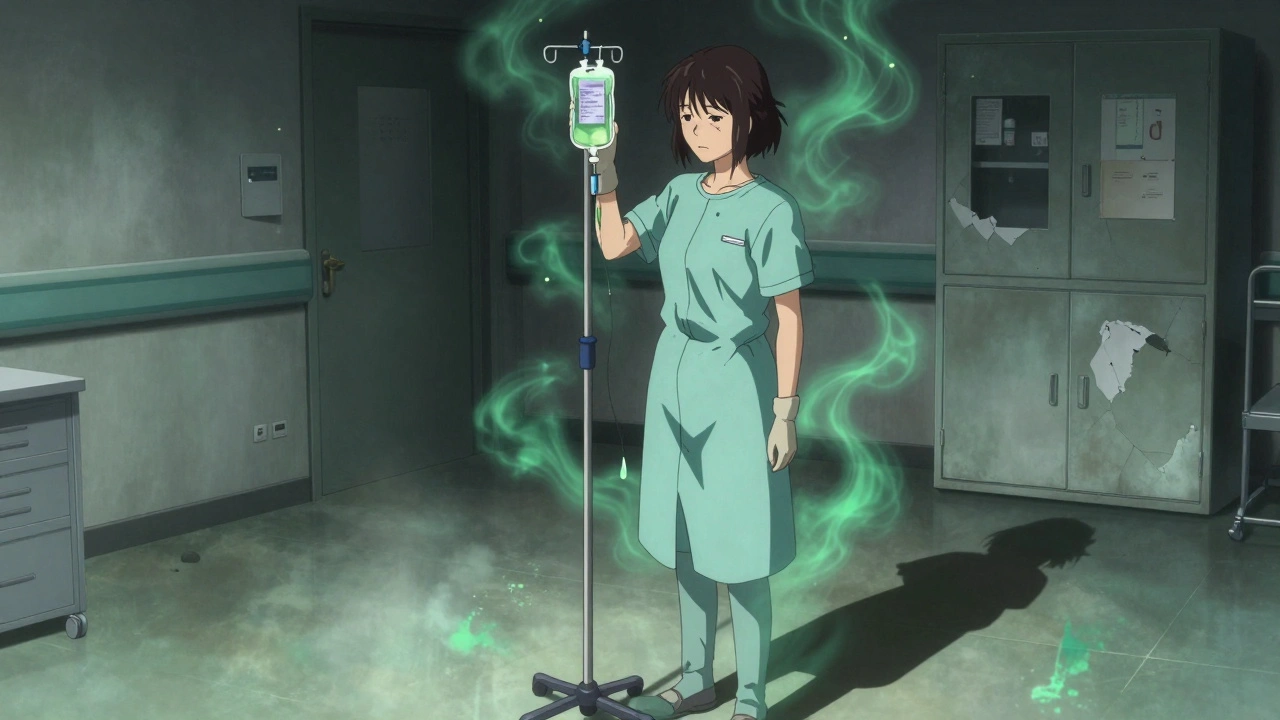
Medications and Work Safety: What Workers Need to Know About Risks on the Job
Medications can affect work safety in two ways: when workers take drugs that impair performance, or when they're exposed to hazardous drugs on the job. Learn the risks, real-world data, and how to stay safe.