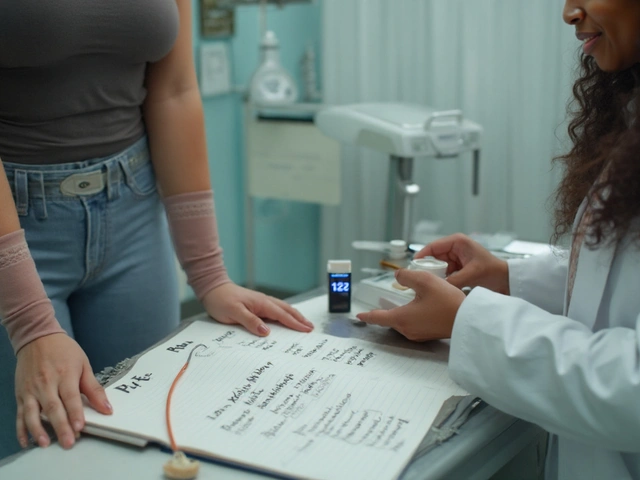
Side Effect Tracking: Know What Your Medications Are Doing to You
When you take a new pill, injection, or patch, you’re not just treating a condition—you’re introducing a chemical into your body that can do unexpected things. Side effect tracking, the practice of recording and monitoring unwanted reactions to medications. It’s not just for doctors or clinical trials—it’s something every patient should do, whether you’re on blood pressure meds, antidepressants, or even over-the-counter painkillers. Many people assume side effects are rare or harmless, but the truth is, they’re common, often underreported, and sometimes life-threatening. The FDA gets over 1 million reports of adverse drug reactions every year, and experts say at least half go unreported because patients don’t know what to look for or how to log it.
Medication side effects, unintended physical or mental changes caused by drugs aren’t always obvious. Dizziness when standing up? That could be orthostatic hypotension from a blood pressure pill. Skin burning in the sun? You might be on a photosensitizing drug like doxycycline or NSAIDs. Fatigue, brain fog, or sudden weight gain? These aren’t just "getting older"—they could be signs your meds are working too hard. Drug safety, the system of identifying, evaluating, and minimizing risks from medicines relies on real-world data from people like you. Clinical trials only catch the most common reactions. The rare ones—the ones that hit 1 in 1,000 or 1 in 10,000—only show up when thousands of people start tracking their symptoms over time.
Side effect tracking doesn’t mean keeping a medical journal. It’s simpler than that. Write down when you started a new drug, what you felt, when it happened, and how bad it was. Did you get a headache two hours after taking your pill? Did your ankles swell after switching antidepressants? Did you feel unusually anxious after starting a new beta-blocker? These aren’t random events—they’re clues. When you bring this info to your doctor, you’re not just complaining—you’re helping them make smarter choices. That’s how you avoid polypharmacy traps, prevent falls in seniors, or catch early signs of something like Barrett’s esophagus from long-term GERD meds.
And it’s not just about you. Your data helps others. When enough people report the same reaction to a drug, regulators can issue warnings, change labels, or even pull a medication from the market. That’s how we learn that aspirin might help prevent gallstones, or that certain antibiotics can trigger dangerous skin infections if misused. Adverse reactions, harmful and unintended responses to medications are the hidden cost of modern medicine. But they don’t have to be a surprise.
What you’ll find below isn’t just a list of articles. It’s a collection of real-world stories and science-backed guides that show you exactly how to spot, track, and respond to the side effects you might be ignoring. From how to read the fine print on your prescription to knowing which drugs increase fall risk in older adults, these posts give you the tools to take control—not just of your health, but of your treatment. You’re not just a patient. You’re a partner in your care. Start tracking.
19

Lab Monitoring Calendars: Stay Ahead of Medication Side Effects
Lab monitoring calendars help you catch dangerous medication side effects before they become emergencies. Learn which tests you need, when to do them, and how to track them effectively.