
SSRIs: What They Are and Why They Matter
SSRIs are a group of medicines that many people turn to when battling mood disorders. When working with SSRIs, selective serotonin reuptake inhibitors, a class of antidepressants that increase serotonin levels in the brain. Also known as Selective Serotonin Reuptake Inhibitors, they are prescribed for depression, anxiety, obsessive‑compulsive disorder, and sometimes chronic pain. The core idea is simple: block the reabsorption of Serotonin, a neurotransmitter that regulates mood, appetite, and sleep. Also called 5‑HT, serotonin stays longer in the synaptic gap, helping lift mood and reduce anxiety. This mechanism creates a clear semantic triple—SSRIs → increase → Serotonin—that underpins their therapeutic effect. Another triple links the medication to its primary use: SSRIs → treat → Depression. Speaking of which, Depression, a mood disorder marked by persistent sadness, loss of interest, and diminished energy. Also known as major depressive disorder, it affects millions worldwide. Understanding how SSRIs interact with serotonin and depression helps you see why they’re a first‑line choice for many clinicians.
Key Benefits, Risks, and Real‑World Considerations
Beyond the basic chemistry, SSRIs bring practical benefits: they’re taken once daily, have relatively mild withdrawal compared with older tricyclics, and cover a range of conditions without needing multiple drugs. However, every medication carries trade‑offs. Common side effects—nausea, insomnia, sexual dysfunction—form another semantic triple: SSRI → cause → Side Effects. These effects can influence treatment adherence, especially when patients feel the drawbacks outweigh mood improvements. Another important connection is drug interactions: SSRIs → interact → Other Medications. For example, combining an SSRI with certain anticoagulants or migraine treatments can raise bleeding risk. Knowing these relationships lets you and your doctor balance benefits against potential harms. Lifestyle factors matter too; diet, alcohol, and sleep patterns can amplify or dampen the drug’s impact. Some people also explore natural serotonin boosters—like omega‑3 fatty acids or exercise—as adjuncts, but they should never replace a prescribed SSRI without medical guidance.
Below you’ll find a curated list of articles that dive deeper into these topics. We cover drug‑interaction alerts, side‑effect management tips, comparisons with other antidepressant classes, and even alternative ways to support serotonin health. Whether you’re starting an SSRI, managing ongoing therapy, or simply curious about how these medicines fit into the broader mental‑health landscape, the posts ahead give you actionable insights backed by up‑to‑date research. Let’s explore the detailed guides and practical advice designed to help you make informed decisions about SSRIs and your overall well‑being.
20
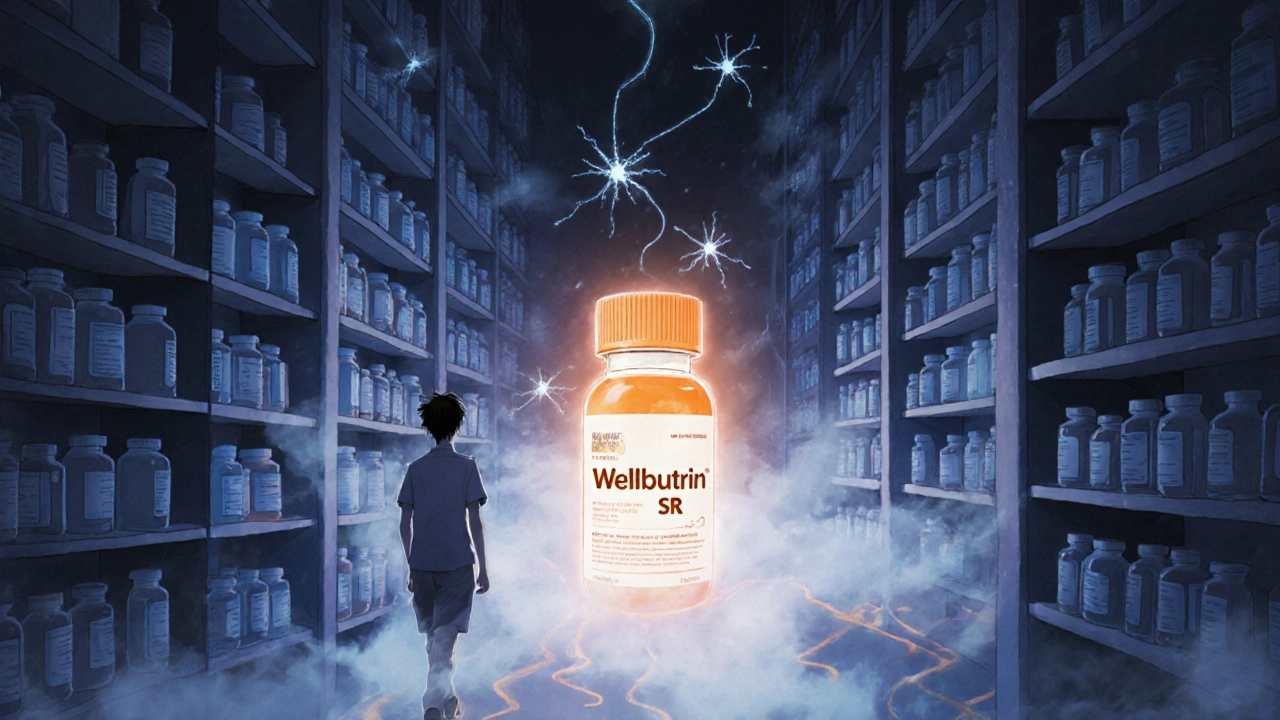
Wellbutrin SR vs Other Antidepressants: Bupropion Comparison Guide
A clear, side‑by‑side comparison of Wellbutrin SR (bupropion) with sertraline, fluoxetine, venlafaxine and mirtazapine, covering mechanisms, benefits, risks and practical guidance.