
Antiparasitic Drugs: What They Are and How They Work
If a parasite has made you feel lousy, an antiparasitic drug is the tool doctors use to kick it out. These medicines target worms, protozoa and other tiny organisms that live off you. They either kill the parasite outright or stop it from growing so your body can clear it on its own. The result is faster relief and fewer complications.
Common Types of Antiparasitic Medications
There are several families of antiparasitic drugs, each made for a specific bug. Ivermectin is famous for treating roundworms and scabies; it works by paralyzing the parasite’s nerves. Albendazole and Mebendazole are broad‑spectrum options for tapeworms and hookworms, stopping them from absorbing glucose. Metronidazole and Secnidazole belong to the nitroimidazole group and are great against protozoa like Giardia or Trichomonas. They damage the parasite’s DNA, which leads to death. Knowing the name of the parasite helps your doctor pick the right pill.
Other drugs you might hear about include Praziquantel for schistosomiasis and Permethrin for lice and scabies. Over the counter creams often contain permethrin, while prescription tablets cover the deeper infections. The key is matching the drug to the parasite’s life cycle – some work only on adult worms, others hit the eggs.
Choosing the Right Drug and Safety Tips
Never self‑diagnose a parasite infection. A stool test, blood work or a skin scraping tells the lab what’s actually there. Once you have a confirmed diagnosis, your doctor can prescribe the appropriate antiparasitic and the correct dose. Taking too little won’t clear the infection, and taking too much can cause side effects like nausea, headache or liver strain.
Most antiparasitic drugs are short courses – a single dose of ivermectin or a three‑day regimen of metronidazole is common. Finish the entire prescription even if you feel better; stopping early lets some parasites survive and become resistant. If you’re pregnant, nursing or have liver disease, let your doctor know – some drugs aren’t safe in those situations.
While you’re on treatment, keep good hygiene: wash hands after using the bathroom, cook meat thoroughly, and avoid drinking untreated water. These steps prevent re‑infection and protect others in your household. If you travel to regions with high parasite rates, consider prophylactic meds after talking to a travel clinic.
Bottom line: antiparasitic drugs are powerful tools, but they work best when paired with accurate diagnosis, proper dosing and clean habits. When in doubt, ask your pharmacist or doctor about possible interactions with other meds you take. Staying informed keeps you safe and gets you back to feeling normal faster.
28
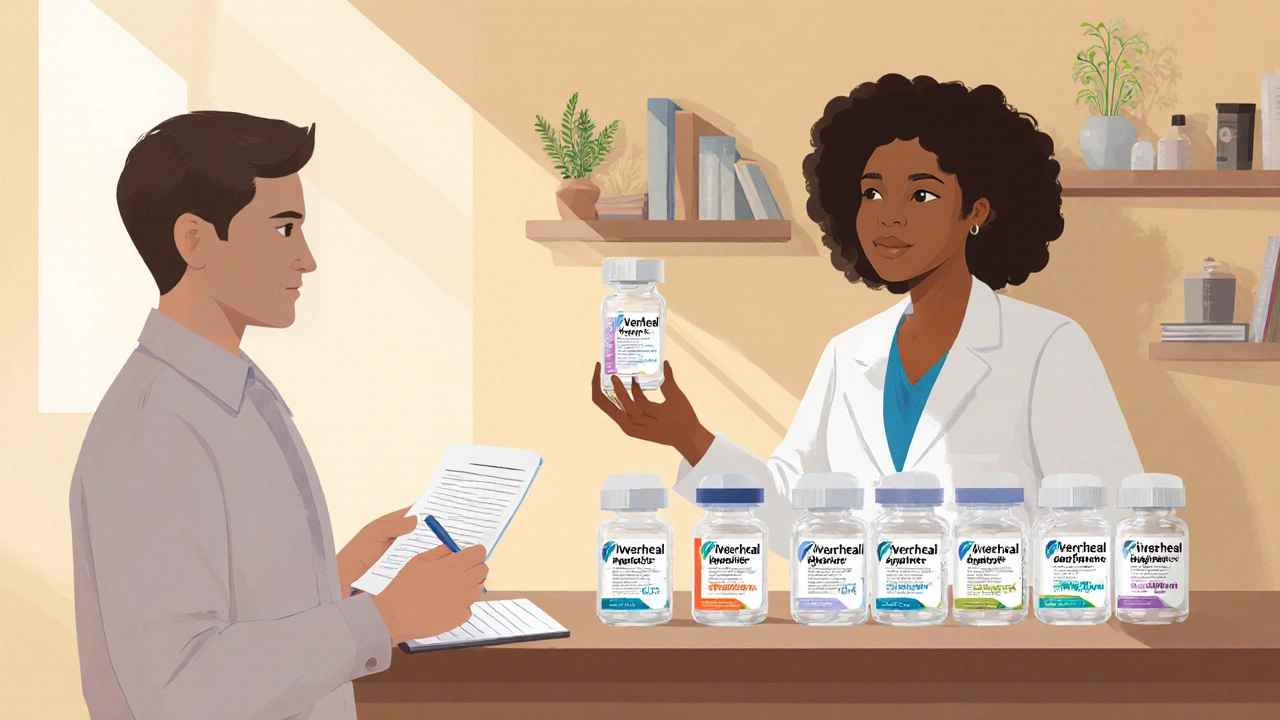
Iverheal (Ivermectin) vs. Common Antiparasitic Alternatives - Detailed Comparison
A thorough, human‑written guide comparing Iverheal (ivermectin) with five leading antiparasitic alternatives, covering mechanisms, dosing, safety, and how to choose the right drug.