
Bioequivalence: What It Means for Generic Drugs and Your Health
When you pick up a generic pill, you’re counting on it to do the same job as the brand-name version. That’s where bioequivalence, the scientific proof that two drug formulations release the same amount of active ingredient at the same rate in the body. Also known as pharmacokinetic equivalence, it’s the invisible rule that keeps generic medications safe and effective. Without it, switching from Brand X to a cheaper version could mean your blood pressure spikes, your seizure returns, or your pain doesn’t go away.
Bioequivalence isn’t just a buzzword—it’s a strict test. The FDA requires generic manufacturers to prove their drug behaves the same way in the body as the original. That means the active ingredient, the chemical that actually treats your condition must hit your bloodstream at the same speed and in the same amount. It’s not about how the pill looks or tastes—it’s about how your body absorbs it. This is especially critical for drugs with a narrow therapeutic index, medications where even small changes in blood levels can cause serious side effects or treatment failure, like warfarin or thyroid meds. That’s why switching warfarin generics isn’t just a cost decision—it’s a monitoring decision.
What makes bioequivalence tricky is that it doesn’t care about inactive ingredients. Two pills can have identical active doses but different fillers, coatings, or dyes. That’s why some people notice a difference after switching—stomach upset, dizziness, or a change in how quickly the drug kicks in. These aren’t always bioequivalence failures; they’re often about how your body reacts to the extras. But if your INR jumps after a generic switch, or your asthma flares up, it’s not in your head—it’s a signal to check the label and talk to your doctor.
The system works because of real-world testing: volunteers take both the brand and generic versions, blood samples are taken over hours, and scientists compare the curves. If the results fall within 80–125% of each other, the drugs are considered bioequivalent. That’s the legal standard. And it’s why over 90% of U.S. prescriptions are filled with generics—they’re not cheap because they’re weak. They’re cheap because they don’t need to repeat expensive clinical trials. The science behind them is already proven.
What you’ll find in the posts below are real stories and facts about how bioequivalence affects your daily health. From why fatty meals boost absorption of some drugs, to how batch testing ensures every pill meets the mark, to why your employer’s formulary pushes generics without risking your safety—this isn’t theory. It’s what happens when science meets your medicine cabinet. You’re not just reading about drugs. You’re learning how to make sure they actually work for you.
6

Bioequivalence and Patient Safety: Why Generic Drug Testing Matters
Discover how bioequivalence testing ensures generic drugs are as safe and effective as brand-name versions, protecting patients while reducing healthcare costs.
1
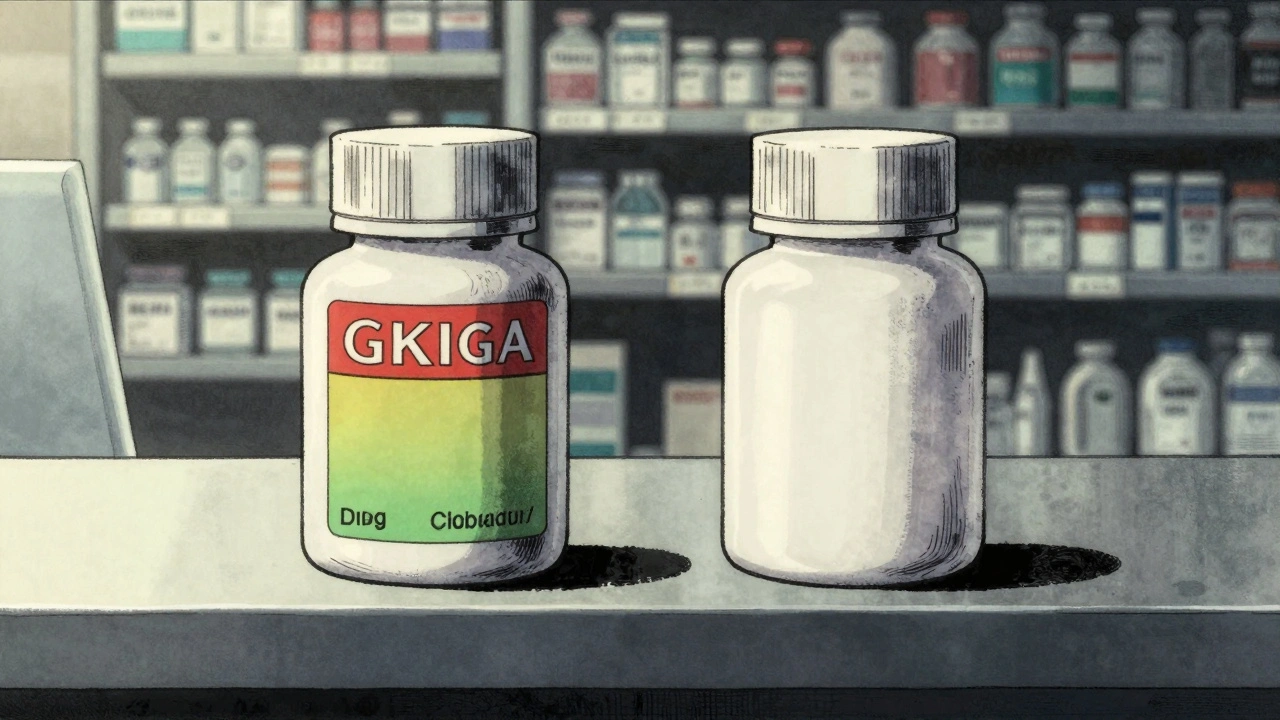
Are generic drugs as safe as brands? Clinical evidence says yes - mostly
Generic drugs are just as safe and effective as brand-name drugs for most people, backed by decades of clinical data. Learn when they're identical, when to be cautious, and how to protect your health when switching.