Chlorambucil Contraindications – What You Need to Know
When dealing with chlorambucil contraindications, the set of patient conditions that make using chlorambucil unsafe or risky. Also known as chlorambucil safety limits, it directly ties to the drug Chlorambucil, an oral alkylating agent used in certain cancers and the broader practice of Chemotherapy, treatment that uses chemicals to kill cancer cells. Understanding these links helps you avoid serious complications before a prescription is even written.
Key Conditions That Trigger Contraindications
First off, active infections are a red flag. If your immune system is already battling a virus or bacteria, adding chlorambucil can tip you into severe sepsis. Severe liver disease is another deal‑breaker because the organ can’t process the drug properly, leading to toxic buildup. Pregnancy and breastfeeding also fall under strict no‑go zones; the drug can cross the placenta and affect a developing fetus. Patients with significant bone‑marrow failure or existing blood disorders such as aplastic anemia should steer clear – the drug’s effect on DNA can worsen low blood counts. In short, chlorambucil contraindications encompass patient conditions that amplify toxicity, so a thorough medical history is essential.
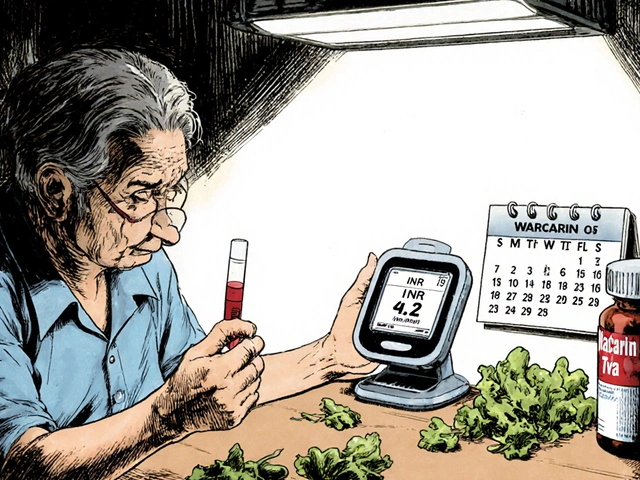
Drug interactions form the third pillar of safety. Chlorambucil can boost the effect of anticoagulants like warfarin, raising the risk of dangerous bleeding – that’s a classic contraindication scenario. Combining it with other alkylating agents or antimetabolites can cause overlapping bone‑marrow suppression, making dose adjustments or complete avoidance necessary. Even common over‑the‑counter meds such as NSAIDs may increase stomach irritation when paired with chlorambucil. Chlorambucil interacts with warfarin, increasing bleeding risk, and it also shares metabolic pathways with many chemotherapy combos, so a pharmacist’s review is non‑negotiable.
Monitoring strategies act as your safety net once therapy starts. Baseline and regular complete blood counts (CBC) catch early drops in white cells, red cells or platelets. Liver function tests track how well the organ is handling the drug. If any values dip below safe thresholds, clinicians often pause or lower the dose. Some specialists also order kidney tests because renal impairment can slow drug clearance, indirectly raising toxicity. These checks turn the abstract idea of "contraindications" into concrete, ongoing safeguards.
Putting it all together, the landscape of chlorambucil contraindications is a web of patient conditions, drug‑drug clashes, and vigilant lab work. Knowing which factors matter lets you and your healthcare team decide fast whether chlorambucil is a good fit or if an alternative therapy makes more sense. Below you’ll find a curated set of articles that dive deeper into related topics—drug comparisons, side‑effect management, buying safe generics, and more—so you can keep building a full picture of safe medication use.
19

Chlorambucil Drug Interactions: Essential Facts You Must Know
Learn how chlorambucil interacts with other medicines, what risks to watch for, and practical steps to stay safe while on treatment.