
Chlorambucil Interactions
When dealing with chlorambucil interactions, the ways this chemotherapy drug mixes with other medicines or supplements. Also known as chlorambucil drug pairs, it matters because unexpected combos can change effectiveness or boost side‑effects. Below we break down the most common partners, metabolic pathways, and safety tips so you know what to watch for.
One key group to understand is alkylating agents, a class of chemotherapy that works by adding alkyl groups to DNA, stopping cancer cells from dividing. Chlorambucil belongs to this class, so it often shares interaction patterns with drugs like cyclophosphamide or melphalan. When two alkylating agents are taken together, the combined DNA‑damage can be too intense, leading to severe bone‑marrow toxicity. This is why oncologists usually avoid stacking these drugs unless a very specific protocol demands it.
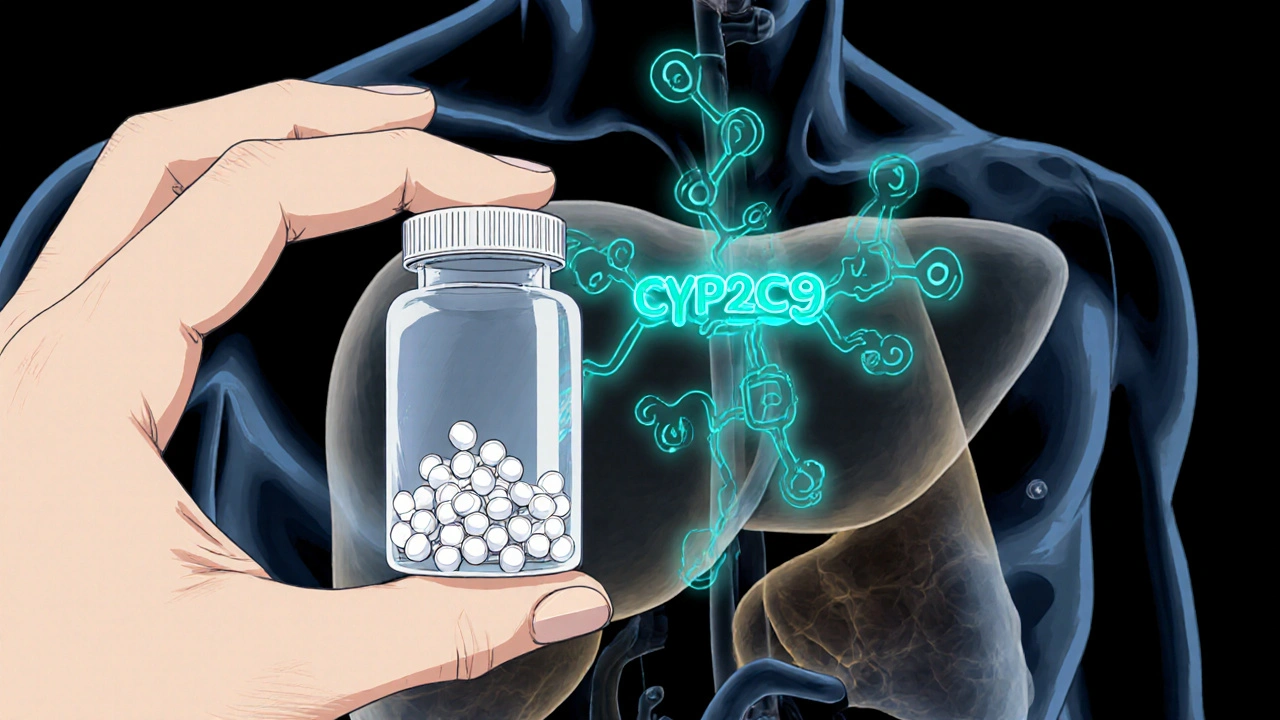
Metabolism is another puzzle piece, and here CYP450 enzymes, the liver proteins that break down many medicines play a starring role. Chlorambucil is primarily processed by CYP2C9 and to a lesser extent by CYP3A4. If you’re on a medication that blocks CYP2C9—like fluconazole—or a drug that speeds up CYP3A4—like rifampin—the level of chlorambucil in your blood can swing wildly. Higher levels increase the chance of nausea, low blood counts, and liver strain, while lower levels may under‑treat the cancer.
Speaking of blood counts, bone marrow suppression, the reduction of blood‑forming cells caused by chemotherapy is a hallmark side effect of chlorambucil. When other myelosuppressive drugs—such as azathioprine, methotrexate, or certain antibiotics—enter the mix, the risk of severe anemia, neutropenia, or thrombocytopenia spikes. This interaction isn’t just theoretical; clinical charts show a sharp rise in infection rates when chlorambucil is paired with other marrow‑suppressors.
Beyond the big players, everyday medications can tip the balance. Antacids containing aluminum or magnesium may bind chlorambucil in the gut, cutting absorption by up to 30 %. Over‑the‑counter pain relievers like ibuprofen add another layer of worry because they can irritate the stomach lining already stressed by chemotherapy. Even herbal supplements—think St. John’s wort, which induces CYP3A4—can shrink chlorambucil’s therapeutic window.
What can you do to keep the interaction risk low? First, always share a complete medication list with your oncologist, including vitamins, supplements, and OTC drugs. Second, ask your pharmacist to check for CYP450 clashes; many pharmacy software systems flag dangerous combos automatically. Third, schedule regular blood‑work before each chlorambucil cycle—you’ll catch dropping white‑cell counts early and can adjust doses or pause treatment before complications arise.
Healthcare providers also benefit from a systematic approach. Using interaction‑checking tools, documenting any changes in liver function tests, and counseling patients on timing (for example, taking chlorambucil at least two hours apart from antacids) reduce avoidable adverse events. When a new medication is needed, consider alternatives that don’t touch the same metabolic pathways—such as using a non‑CYP2C9‑metabolized pain reliever.
What You’ll Find Next
Below is a curated selection of articles that dive deeper into specific interaction scenarios, give practical dosing advice, and explain how to talk to your care team. Whether you’re looking for guidance on supplement safety, details on managing bone‑marrow suppression, or a quick cheat‑sheet for CYP450 checks, the posts that follow cover the full spectrum of chlorambucil interaction knowledge.
19
Chlorambucil Drug Interactions: Essential Facts You Must Know
Learn how chlorambucil interacts with other medicines, what risks to watch for, and practical steps to stay safe while on treatment.