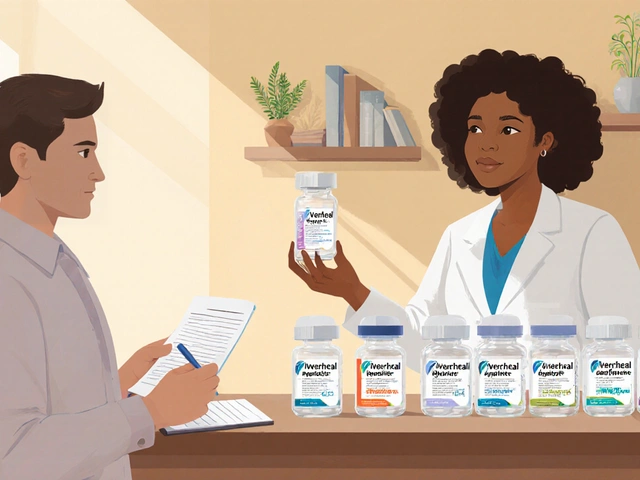
Clinician Portals: Tools for Better Patient Care and Medication Management
When healthcare providers use a clinician portal, a secure online platform that gives doctors, nurses, and pharmacists direct access to patient records, lab results, and prescription systems. Also known as provider portals, these tools are the backbone of modern care coordination—linking electronic health records, pharmacy benefits managers, and medication safety systems in one place. They’re not just logins—they’re decision engines. A clinician portal lets you see a patient’s full medication history, check for interactions, verify formulary coverage, and even track whether a generic switch caused an unexpected side effect—all before you write the next prescription.
These portals don’t work in isolation. They connect directly to systems like electronic health records, digital systems that store patient medical histories, lab tests, and treatment plans, and pharmacy benefits managers, organizations that manage drug coverage for insurance plans and control which medications are approved and at what cost. That’s why you’ll find articles here about how generic drugs are pushed through formularies, why warfarin requires extra monitoring after a switch, and how inactive ingredients in generics can change how a patient feels. These aren’t random topics—they’re the daily challenges clinicians face when using these portals to make safe, cost-effective choices.
Think about it: if a patient’s portal shows they were recently switched from brand-name warfarin to a generic version, the clinician needs to know to check INR levels more often. If the portal flags a drug interaction with green tea extract or a supplement like St. John’s wort, the provider has to act fast. Clinician portals pull together data from FDA databases, batch release records, and real-world patient reports to give you the full picture. That’s why you’ll also find guides here on how to search FDA’s Drugs@FDA database, understand batch testing standards, and avoid photosensitivity risks from certain meds. These aren’t just technical deep dives—they’re survival tools for anyone using a portal to manage care.
Whether you’re a nurse checking a patient’s dialysis schedule, a pharmacist reviewing a new anticholinergic prescription for someone with prostate issues, or a doctor deciding between aspirin and other options for gallbladder health, your portal holds the key. It connects the science of allopurinol lowering uric acid to the practical reality of a patient forgetting to take it. It links the history of the Hatch-Waxman Act to today’s formulary tiers that determine what’s covered. And it shows you why falls in seniors aren’t just about age—they’re often about the five meds on their list that the portal just flagged as high-risk. What follows are real, practical articles built from the same data streams you see every day in your portal. No fluff. No theory. Just what you need to use these tools better, safer, and smarter.
3

How to Use Clinician Portals and Apps for Drug Safety Monitoring
Learn how clinician portals and apps help healthcare professionals detect and report adverse drug reactions in real time, improving patient safety through integrated EHR tools, AI alerts, and streamlined reporting systems.