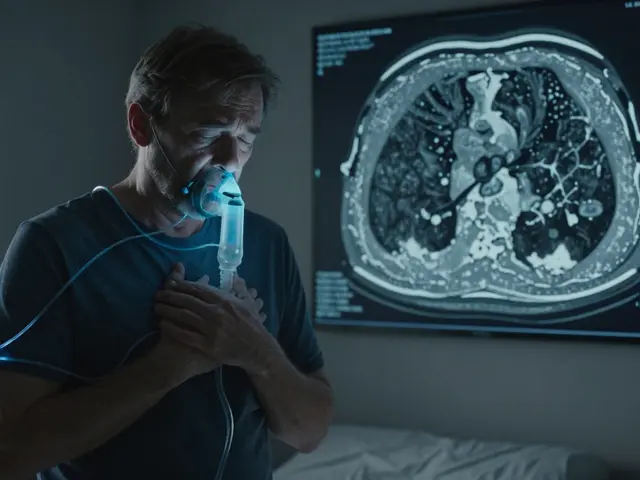
Dysplasia: What It Is, How It’s Detected, and What Comes Next
When doctors talk about dysplasia, an abnormal change in the size, shape, and organization of cells. Also known as precancerous changes, it’s not cancer—but it can be a signal that cancer might develop if left unchecked. This isn’t a diagnosis you hear every day, but it shows up often in Pap tests, colon screenings, and skin exams. The good news? Most cases of dysplasia don’t turn into cancer, especially when caught early.
Dysplasia shows up in many places: the cervix, mouth, esophagus, skin, and even the bladder. Cervical dysplasia, often found during routine Pap smears, is one of the most common types. It’s linked to HPV, a virus most people get at some point. But not all dysplasia comes from viruses. Smoking, long-term inflammation, and even sun damage can trigger it. Biopsy, a small tissue sample taken during a procedure is the only way to confirm it. That’s why regular checkups matter—dysplasia usually doesn’t hurt or cause symptoms until it’s advanced.
What happens after a dysplasia diagnosis? It depends on how severe it is. Mild cases often go away on their own. Your doctor might just ask you to come back in six months. Moderate or severe cases may need a minor procedure to remove the abnormal cells—like a loop electrosurgical excision (LEEP) for the cervix, or cryotherapy for skin changes. You won’t need chemotherapy or surgery unless it’s progressed. The key is monitoring. Many people with dysplasia live normal lives, especially when they follow up and make small lifestyle changes—like quitting smoking or using sunscreen daily.
The posts below cover real-world situations where dysplasia shows up—not just in medical terms, but in how it affects daily health. You’ll find guides on what to do after an abnormal test, how certain medications can influence cell changes, and how conditions like chronic inflammation or immune issues connect to dysplasia. Whether you’re waiting for results or managing follow-up care, these articles give you clear, practical steps—not fear.
15
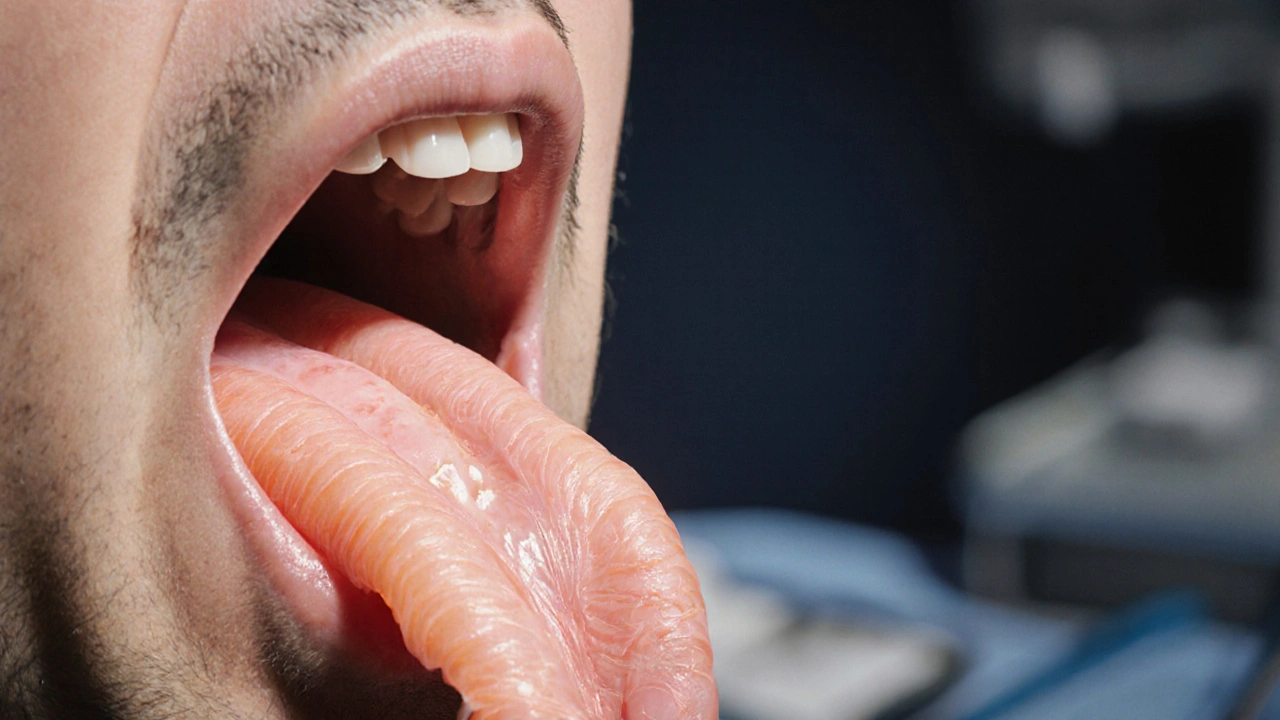
Chronic GERD Complications: Understanding Barrett’s Esophagus and When to Get Screened
Chronic GERD can lead to Barrett’s esophagus, a precancerous condition that often goes undetected. Learn who needs screening, how it’s diagnosed, and what treatments can prevent esophageal cancer.