
EHR Safety Tools: Protect Patients with Better Health Record Systems
When doctors and nurses use EHR safety tools, software features built into electronic health records to catch mistakes before they hurt patients. Also known as clinical decision support systems, these tools are the silent guards watching for wrong doses, allergic reactions, and dangerous drug combinations. They don’t replace judgment—they make sure human error doesn’t slip through the cracks.
EHR safety tools include alerts for medication error prevention, systems that flag unsafe prescriptions based on patient history, weight, kidney function, or other drugs being taken. For example, if a doctor tries to prescribe warfarin to someone already on an anticholinergic, the system should scream warning. These aren’t just pop-ups—they’re tied to real data like lab results, past hospital stays, and even over-the-counter supplements. That’s why posts about generic switching and drug interactions show up here: because EHRs need to track not just what’s prescribed, but what’s really in the patient’s system.
They also support clinical decision support, intelligent features that suggest tests, screen for conditions, or remind providers about overdue care. Think of it like a smart checklist: if a senior is on five meds that increase fall risk, the EHR should nudge the doctor to review them. Or if someone’s on long-term steroids, the system should prompt for bone density scans. These aren’t optional extras—they’re what separate a basic digital chart from a true safety net. And they’re why lab monitoring calendars and batch release testing are part of the same conversation: safety isn’t just about what’s prescribed, but how consistently it’s tracked, tested, and verified.
Not all EHR safety tools work well. Some flood providers with too many alerts, making them ignore the real dangers. The best ones learn over time—they adapt to your clinic’s patterns, reduce noise, and focus on what matters most. That’s why posts about formulary tiers and intra-articular steroid injections belong here: because safety isn’t just about drugs. It’s about how systems connect prescriptions, costs, side effects, and patient outcomes. Whether you’re a clinician, a patient, or just someone trying to understand how healthcare keeps people from getting hurt, these tools are the invisible backbone of modern care. Below, you’ll find real-world examples of how these systems catch mistakes, save lives, and sometimes, fail to keep up.
3
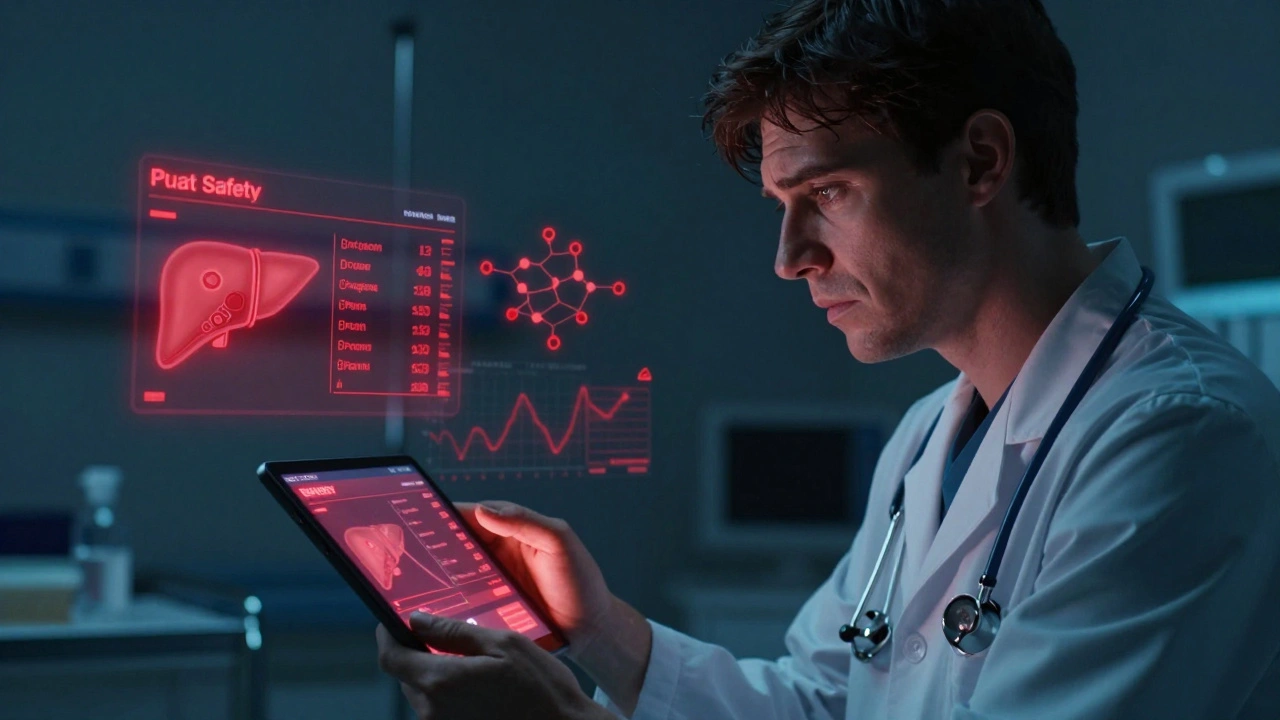
How to Use Clinician Portals and Apps for Drug Safety Monitoring
Learn how clinician portals and apps help healthcare professionals detect and report adverse drug reactions in real time, improving patient safety through integrated EHR tools, AI alerts, and streamlined reporting systems.