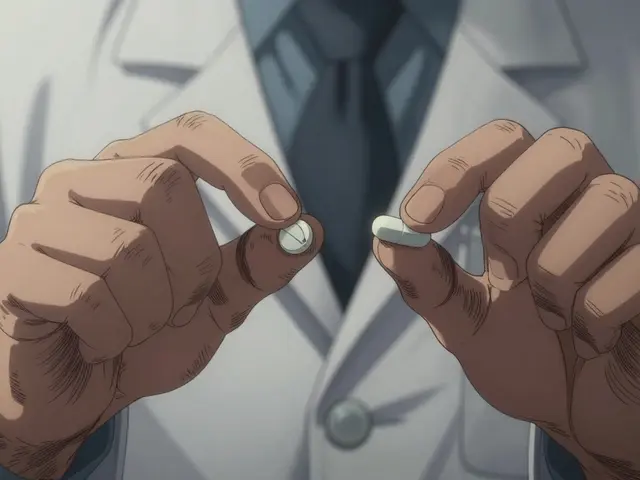
FDA Drug Approval: How Medications Get Cleared for Use in the U.S.
When you pick up a prescription, you might not think about how it got approved—but the FDA drug approval, the process by which the U.S. Food and Drug Administration evaluates new and generic medications for safety and effectiveness before they reach patients. Also known as pharmaceutical regulation, it’s the gatekeeper between a drug’s lab results and your medicine cabinet. This isn’t just paperwork. It’s a system built on data, deadlines, and real-world outcomes. Every pill, injection, or inhaler sold legally in the U.S. had to pass through this process, and how it got approved can affect how fast you get it, how much it costs, and even whether it works the same as the brand version.
The FDA doesn’t treat all drug applications the same. For brand-new medicines, the process can take years. But for generic drugs, medications that contain the same active ingredient as a brand-name drug but are sold under a different name after the patent expires. Also known as bioequivalent drugs, they follow a faster track called the Abbreviated New Drug Application or ANDA. The FDA doesn’t require new clinical trials for generics—they just need to prove they work the same way in the body. That’s why 9 out of 10 prescriptions in the U.S. are generics. But not all generics get approved at the same speed. Some get priority review, a faster FDA review process reserved for first generics, drugs in short supply, or those offering clear advantages over existing options. These can be cleared in as little as 8 months, while standard reviews take up to 10 months. And now, the FDA even gives extra points to companies making these drugs in the U.S. to boost domestic supply.
Behind every approved drug is a chain of checks: lab tests, manufacturing standards, batch release reviews, and post-market safety monitoring. That’s why switching from a brand to a generic might feel different for some people—not because the active ingredient changed, but because the fillers, coatings, or release mechanisms did. The FDA doesn’t ignore those differences. They’re tracked through adverse event reports, lab monitoring, and real-world data. Even something as simple as how a drug is absorbed with fatty foods or how it interacts with green tea extract gets studied before approval—and after.
What you’ll find below is a collection of real-world stories and science behind that approval process. From how warfarin generics need extra monitoring because of their narrow therapeutic window, to why the Hatch-Waxman Act changed the game for affordable medicine, to how the FDA’s review priorities shape what drugs actually make it to pharmacies. These aren’t theoretical guides. They’re based on what patients and doctors actually experience after a drug gets the green light.
2
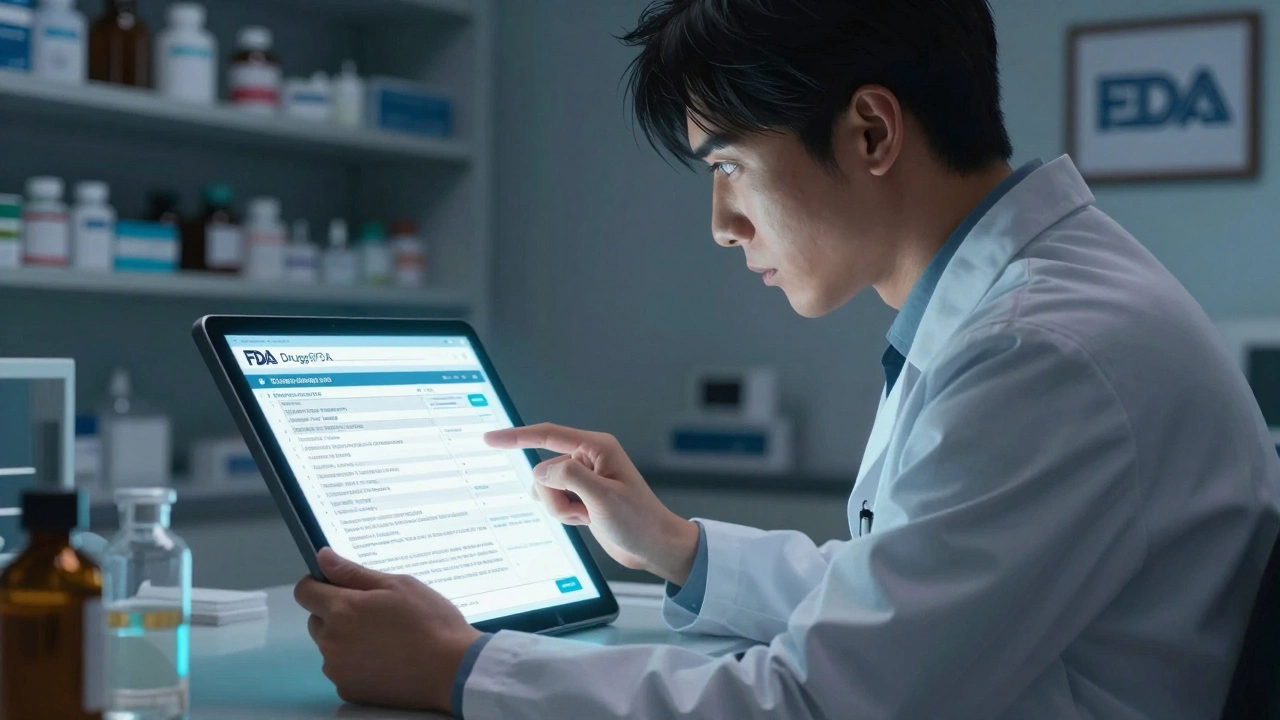
How to Search FDA’s Drugs@FDA Database for Official Drug Information
Learn how to use the FDA's official Drugs@FDA database to find approved drug information, including labels, approval dates, and review documents - with step-by-step guidance and tips to avoid common mistakes.