Hazardous Drugs: What They Are, Why They Matter, and How to Stay Safe
When we talk about hazardous drugs, medications that can cause serious health effects through exposure, even at low doses. Also known as cytotoxic drugs, they’re not just dangerous if taken wrong—they can harm nurses, pharmacists, and even family members who handle them improperly. These aren’t rare specialty meds. Many common cancer treatments, antivirals, and even some hormones fall into this category. The FDA, NIOSH, and OSHA all track them because the risks are real: skin rashes, infertility, birth defects, and even cancer from repeated low-level exposure.
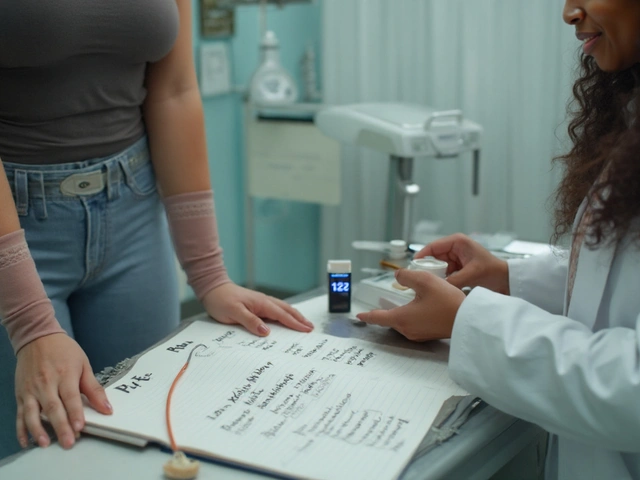
What makes a drug hazardous? It’s not just about being strong. It’s about how it interacts with human cells. Drugs that damage DNA, disrupt cell division, or interfere with hormone systems are flagged. Think chemotherapy agents like cyclophosphamide, or even methotrexate used for rheumatoid arthritis. Even handling pills or wiping down surfaces contaminated with dust from crushed tablets can expose you. And it’s not just hospitals—home caregivers giving chemo or IV meds are at risk too. The pharmaceutical handling, the procedures and protective measures used to safely manage hazardous drugs from pharmacy to patient matters just as much as the drug itself. That’s why pharmacies use closed-system transfer devices, why staff wear gloves and gowns, and why waste disposal follows strict rules. But most people don’t know these steps exist—until something goes wrong.
And it’s not just about workers. medication risks, the potential for harm from exposure, misuse, or improper storage of drugs show up in unexpected places. A caregiver might crush a pill to make it easier to swallow, not realizing it releases toxic powder. A parent might store chemo meds in the same cabinet as vitamins, risking accidental ingestion by a child. Even pets can be affected if they lick residue off a treated person’s skin. These aren’t hypotheticals—they’re documented cases. That’s why the same posts that warn about generic switching and inactive ingredients also remind us: safety isn’t just about what’s in the pill. It’s about how it’s handled, stored, and disposed of.
You’ll find real stories here—like how a nurse developed rashes from handling IV bags, or how a family accidentally exposed their toddler to a powdered medication. You’ll learn how to read safety labels, what PPE actually means, and why flushing pills down the toilet isn’t just gross—it’s dangerous. These aren’t theoretical guidelines. They’re life-saving practices backed by hospital protocols and federal guidelines. Whether you’re a patient, a caregiver, or a healthcare worker, knowing what makes a drug hazardous could protect you or someone you love.
5
Medications and Work Safety: What Workers Need to Know About Risks on the Job
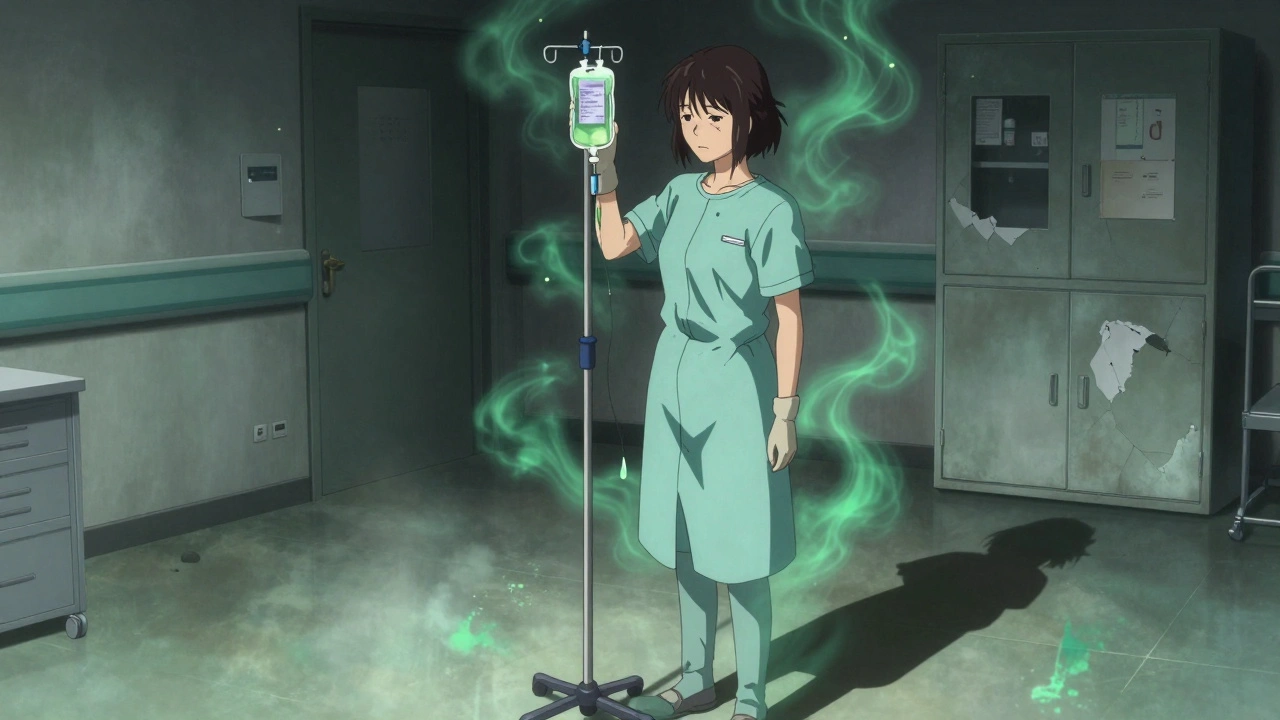
Medications can affect work safety in two ways: when workers take drugs that impair performance, or when they're exposed to hazardous drugs on the job. Learn the risks, real-world data, and how to stay safe.