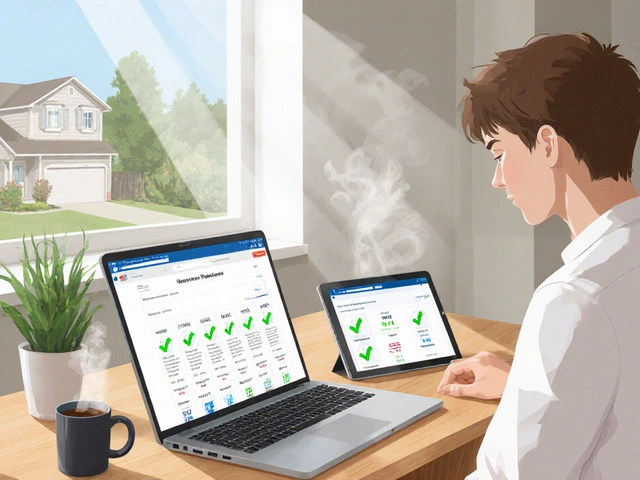
Hemodialysis Training: What You Need to Know Before Starting
When your kidneys can't filter waste anymore, hemodialysis, a medical procedure that uses a machine to clean your blood when your kidneys fail. Also known as dialysis, it's not a cure—but it keeps you alive. Hemodialysis training is the step most people skip until it's urgent. But learning how it works, how to handle the equipment, and what to watch for can make all the difference between feeling overwhelmed and feeling in control.
This training isn't just for patients. dialysis nurses, healthcare professionals trained to manage dialysis treatments and monitor patient health during sessions spend weeks learning how to set up machines, spot complications like low blood pressure or clotting, and respond to emergencies. Family members and caregivers also need training—because many people now do dialysis at home. You'll learn how to clean the access site, check for infections, track fluid intake, and recognize warning signs like swelling, dizziness, or cramping. It’s not just about pushing buttons on a machine. It’s about understanding your body’s limits and knowing when to call for help.
People who start hemodialysis without proper training often end up in the ER. One wrong move with the needle, a missed dose of blood thinner, or ignoring early signs of infection can lead to hospitalization. Training reduces those risks. It also helps you stick with the treatment. Many patients quit because they don’t understand why they need to follow strict rules—like limiting water, salt, and potassium. Hemodialysis training explains why those rules exist and how they connect to how the machine works.
What you’ll find in the posts below isn’t a textbook. It’s real-world advice from people who’ve been through it. You’ll see how hemodialysis training connects to managing side effects like low blood pressure, how to avoid infections at the access site, and why lab monitoring matters more than ever after starting treatment. You’ll also find guides on medication safety, nutrition, and how to handle stress while on dialysis—all things that come up during training but rarely get covered in detail. Whether you’re a patient, a caregiver, or a healthcare worker, this collection gives you the practical, no-fluff facts you need to stay safe and stay well.
22
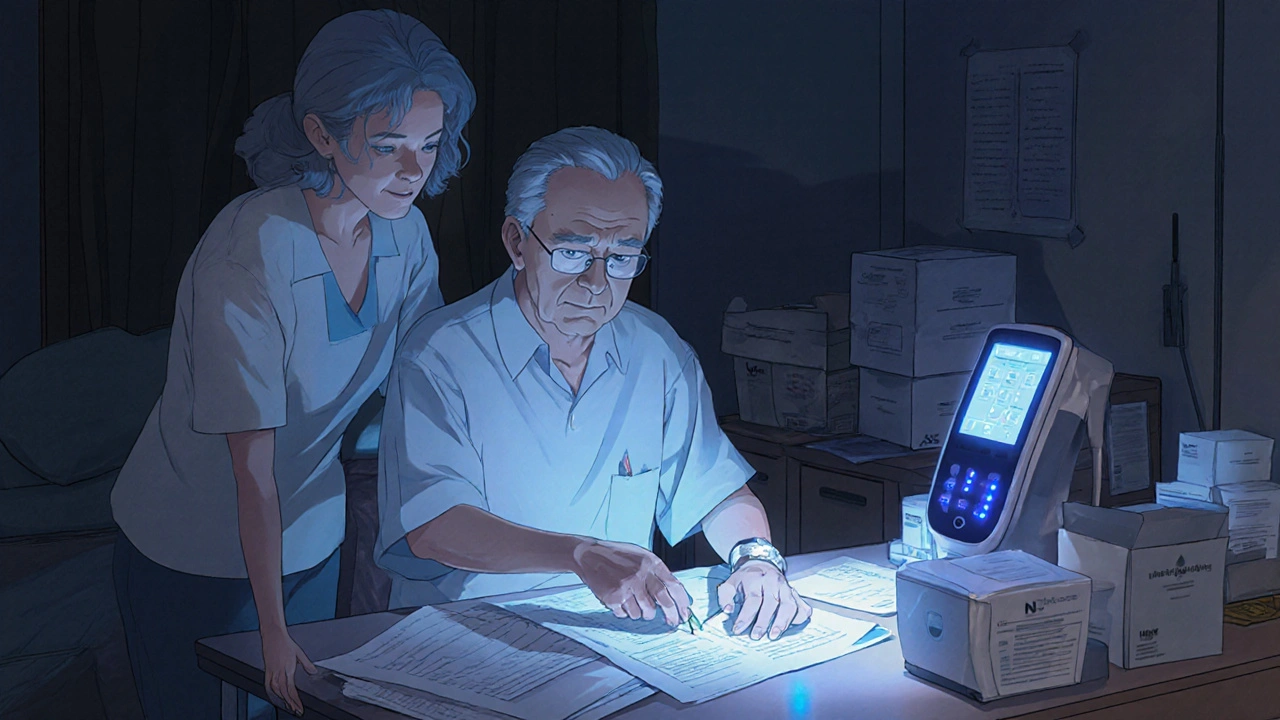
Home Hemodialysis: Schedules, Training, and Outcomes Explained
Home hemodialysis offers more flexibility and better outcomes than in-center treatment, but requires training, a care partner, and home setup. Learn schedules, requirements, and real-world outcomes.