Home Dialysis Care: What You Need to Know About Safety, Tools, and Daily Management
When you manage home dialysis care, a treatment method that lets patients filter their blood outside a clinic using portable equipment. Also known as self-administered dialysis, it gives you the freedom to schedule treatments around your life, not the other way around. This isn’t just about swapping a hospital chair for your living room sofa—it’s a full lifestyle shift that requires training, discipline, and smart planning.
Peritoneal dialysis, a type of home dialysis that uses the lining of your abdomen to clean your blood. Also known as PD, it’s often done overnight while you sleep, using a fluid that flows in and out of your belly through a catheter. Then there’s hemodialysis, a process where blood is pulled out, cleaned by a machine, and returned to your body. Also known as HD, it usually takes 3–4 hours, 3 times a week, and needs a machine, tubing, and sterile supplies. Both methods reduce trips to the clinic, but they come with their own risks—like infection at the catheter site, fluid overload, or low blood pressure after treatment. That’s why training isn’t optional. You’ll learn how to spot signs of trouble, clean your equipment properly, and respond to alarms or leaks.
Many people don’t realize how much daily routine matters. Your diet, fluid intake, and even how you store your dialysis supplies can make or break your success. If you’re on peritoneal dialysis, keeping your workspace clean prevents peritonitis—a serious belly infection. If you’re doing hemodialysis at home, tracking your weight daily helps avoid dangerous fluid buildup. And don’t forget: medications like blood pressure pills or phosphate binders still matter. Skipping them because you’re at home won’t make them less important.
There’s also the emotional side. Doing your own dialysis can feel isolating, especially at first. But many patients say it gives them back control. You sleep in your own bed. You eat what you want—within limits. You skip the commute. You’re not just a patient in a chair—you’re managing your health on your terms. That’s powerful.
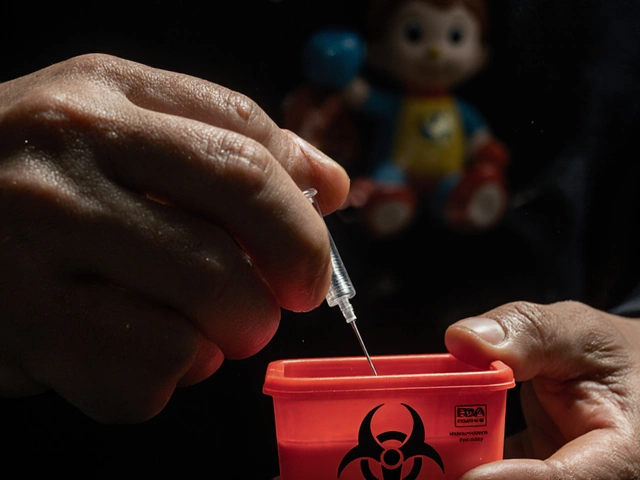
What you’ll find below are real, practical guides from people who’ve been through it. From how to safely dispose of used dialysis fluids (yes, it’s medical waste), to why certain medications can mess with your dialysis efficiency, to how to prevent falls after treatment when you’re weak or dizzy. You’ll see how to track lab results between sessions, what to do if your machine alarms in the middle of the night, and how to talk to your care team when something feels off. These aren’t theory pages—they’re tools built by patients and nurses who’ve seen what works and what doesn’t.
22
Home Hemodialysis: Schedules, Training, and Outcomes Explained
Home hemodialysis offers more flexibility and better outcomes than in-center treatment, but requires training, a care partner, and home setup. Learn schedules, requirements, and real-world outcomes.