
Ivermectin: Uses, Dosage, Side Effects and Safety Tips
Ever wondered why ivermectin shows up in news feeds and doctor appointments? It’s a drug that started as a parasite killer for animals and now treats a few human conditions. If you’re reading this, chances are you want to know if it’s right for you or a loved one. Let’s break down the facts without the jargon.
What Ivermectin Is Used For
In humans, ivermectin is approved for two main infections: strongyloidiasis (a worm that lives in the gut) and onchocerciasis, also called river blindness. It works by paralyzing the parasites, which then die off. Some doctors also prescribe it off‑label for scabies or lice, especially when topical treatments fail. Outside of medicine, veterinarians rely on it to keep livestock free of internal parasites.
How to Take It Safely
The usual adult dose for strongyloidiasis is 200 µg per kilogram of body weight, taken as a single tablet. For onchocerciasis, the dose is the same but may be repeated every six months. Always follow the prescription label and never double up if you miss a dose; just talk to your pharmacist. Taking more than recommended doesn’t make it work faster – it just raises the risk of side effects.
Speaking of side effects, most people feel fine. Some report mild nausea, dizziness, or a temporary skin rash. If you notice severe itching, swelling, or trouble breathing, stop the medication and seek help right away. These reactions are rare but can indicate an allergic response.
Interactions are another piece of the puzzle. Ivermectin can bump up the levels of certain heart medicines, like amiodarone, and may affect blood thinners. Keep a list of all your prescriptions and over‑the‑counter pills handy when you talk to your doctor.
Pregnancy and breastfeeding add extra caution. The drug crosses the placenta in animal studies, so doctors usually avoid it unless the infection poses a bigger risk than the medication. If you’re nursing, discuss alternatives with your healthcare provider.
Finally, don’t trust every online shop that claims to sell “generic ivermectin” without a prescription. Counterfeit pills can contain the wrong amount of active ingredient or harmful contaminants. Use a reputable pharmacy, check for a valid license, and verify the medication with your pharmacist.
To sum up, ivermectin is a powerful antiparasitic that works well for specific infections when used correctly. Know the approved uses, stick to the right dose, watch for side effects, and always get it from a trusted source. With those steps, you can use ivermectin safely and effectively.
28
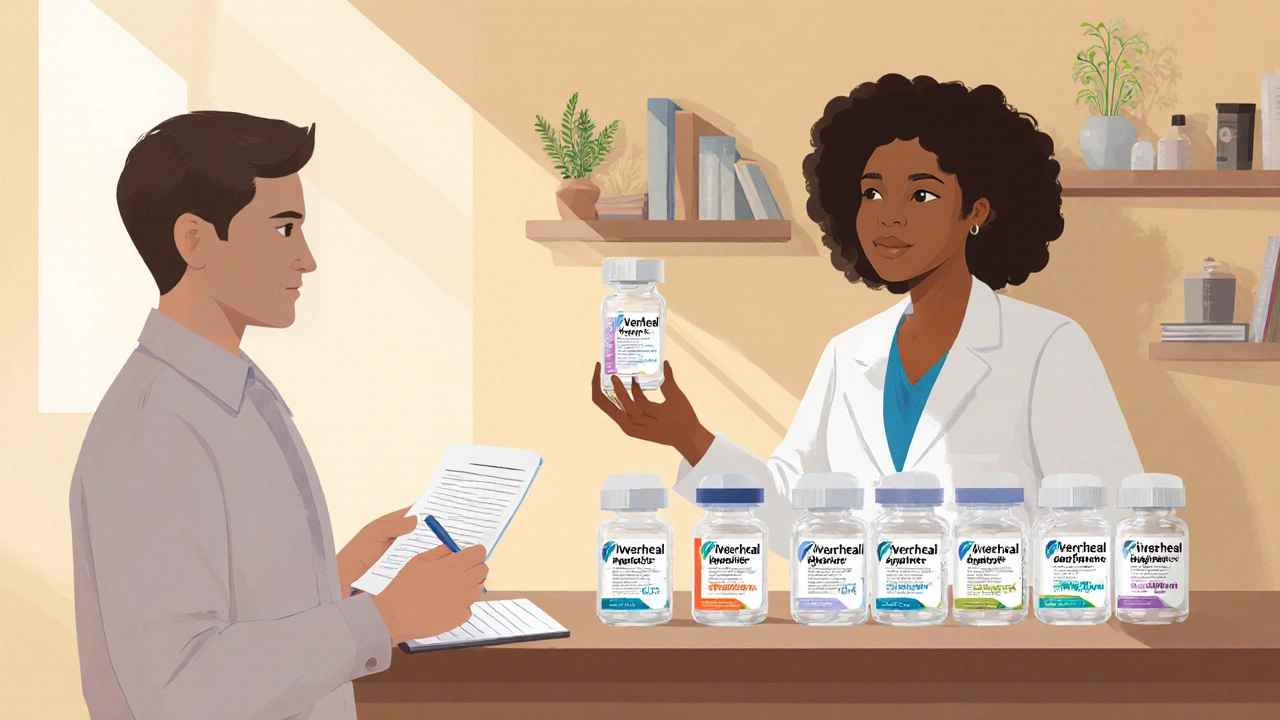
Iverheal (Ivermectin) vs. Common Antiparasitic Alternatives - Detailed Comparison
A thorough, human‑written guide comparing Iverheal (ivermectin) with five leading antiparasitic alternatives, covering mechanisms, dosing, safety, and how to choose the right drug.