Lactose in Pills: What You Need to Know About Hidden Dairy in Medications
When you take a pill, you might think you're only getting the medicine you need. But many pills also contain lactose, a sugar derived from milk used as a filler in tablets and capsules. Also known as milk sugar, it’s cheap, stable, and helps bind ingredients together—so it’s everywhere. For most people, that’s fine. But if you’re lactose intolerant, even small amounts in pills can trigger bloating, gas, cramps, or diarrhea. It’s not the drug itself causing the problem—it’s the invisible stuff around it.
That’s why inactive ingredients, also called excipients, are the hidden variables in your medication. They don’t treat your condition, but they can change how you feel after taking a pill. A generic version of your drug might have a different filler than the brand name—even if the active ingredient is identical. One person switches to a generic and suddenly feels sick, not because the medicine changed, but because the lactose level did. And since manufacturers aren’t required to list lactose on the label in plain language, you won’t always know it’s there unless you dig into the package insert or call the pharmacy.
Lactose intolerance, a common digestive condition where the body can’t break down milk sugar affects up to 68% of the global population. In the U.S., it’s less common but still widespread—especially among people of African, Asian, Hispanic, and Native American descent. If you’ve ever blamed your stomach after taking a pill, lactose might be the real culprit. Some medications, especially high-dose or extended-release ones, can contain over 100 milligrams of lactose per tablet. That’s not a lot in a glass of milk, but for someone with severe intolerance, it’s enough to cause discomfort.
So what can you do? First, check the drug’s package insert or ask your pharmacist for the list of inactive ingredients. Look for words like lactose, milk sugar, or anhydrous lactose. Second, use online tools like the FDA’s Drugs@FDA database to look up the exact formulation. Third, ask your doctor if there’s a lactose-free alternative—many exist, especially for common drugs like birth control, thyroid meds, or pain relievers. Some brands specifically market lactose-free versions, and compounding pharmacies can make custom pills without it.
Don’t assume all generics are the same. One batch of generic ibuprofen might use starch, another might use lactose. That’s why switching brands or pharmacies can suddenly make you feel off. It’s not in your head—it’s in the filler. And while most people can handle the tiny amounts, if you’ve had symptoms after taking pills before, it’s worth investigating. You’re not being overly sensitive. You’re just paying attention to details most people overlook.
Below, you’ll find real-world examples of how lactose shows up in medications, how it affects people differently, and what steps you can take to avoid it. Whether you’re managing a diagnosed intolerance or just wondering why you feel weird after taking a pill, these posts give you the facts—not the fluff.
4
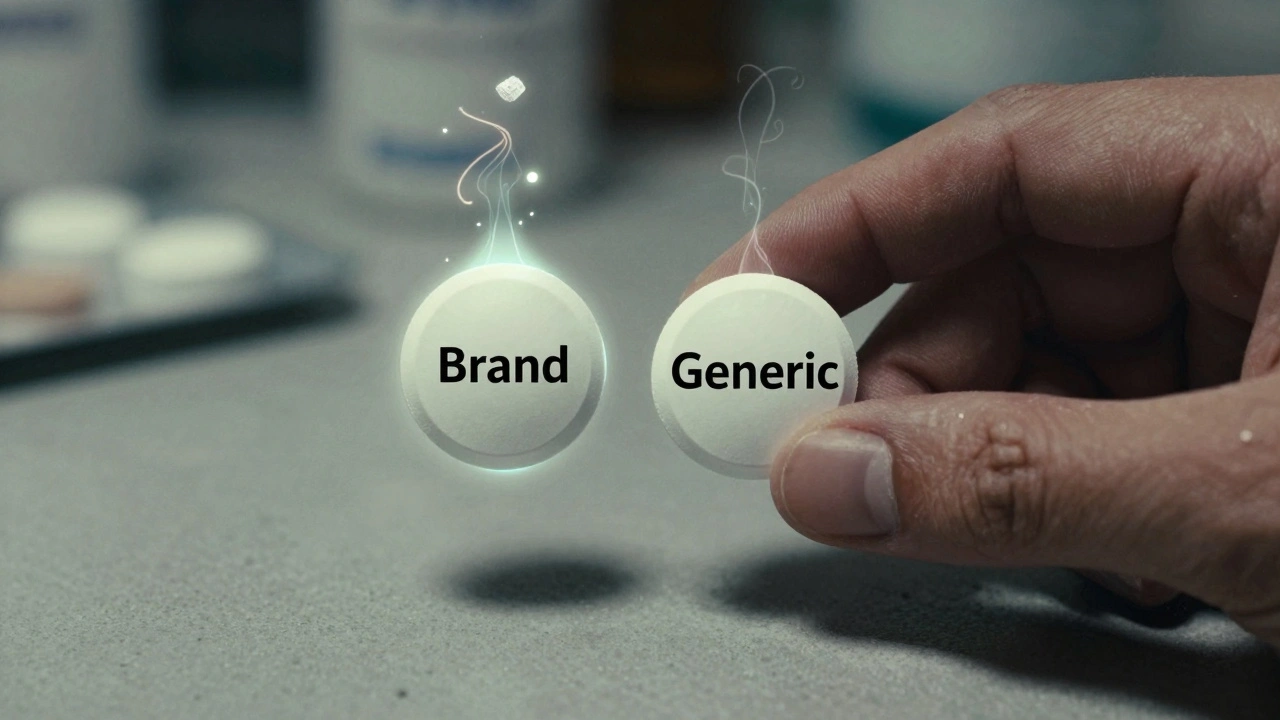
How to Address Allergies to Inactive Ingredients in Generics
Many generic medications contain hidden allergens like lactose, gluten, or food dyes that can trigger reactions-even though they have the same active ingredient as brand-name drugs. Learn how to identify risky ingredients and protect yourself.