Medical Waste: What It Is, Why It Matters, and How It Affects Your Health
When you think of medical waste, discarded materials from healthcare settings that can carry infection, toxins, or radiation. Also known as healthcare waste, it includes everything from used syringes and bandages to expired drugs and contaminated lab samples. This isn’t just hospital trash—it’s a silent threat that can spread disease, poison water supplies, and harm communities if not handled right.
Infectious waste, materials contaminated with blood or bodily fluids that can transmit pathogens makes up a big part of medical waste. Think used needles, surgical gloves, or dressings from wound care. Then there’s hazardous waste, chemicals and pharmaceuticals that are toxic, corrosive, or reactive—like chemotherapy drugs, mercury thermometers, or unused antibiotics. These don’t just disappear when thrown in a bin. If dumped in landfills or burned poorly, they leak into soil and air, and can end up in your drinking water or food chain.
And it’s not just about hospitals. Clinics, labs, even home care patients generate sharps waste, needles, scalpels, and other sharp objects that can puncture skin and spread infection. Many people don’t realize that tossing a used insulin needle in the regular trash is illegal in most places—and dangerous. Proper disposal isn’t optional. It’s a safety net for everyone: nurses, sanitation workers, kids playing near dumpsites, and families living near poorly managed facilities.
The rules exist for a reason. Countries with strong waste systems track every bag, label every container, and train staff to separate what goes where. But in many places, waste is mixed, burned openly, or dumped without protection. That’s not just bad policy—it’s a public health crisis waiting to happen. The same antibiotics you take could end up in rivers, feeding antibiotic-resistant superbugs. The same chemo drugs meant to save lives could poison fish and birds if not incinerated at high enough temperatures.
What you’ll find below isn’t just a list of articles—it’s a clear-eyed look at how medical waste connects to real health risks. You’ll see how certain drugs affect your body beyond their intended use, how infections spread through improper handling, and how everyday medications can become environmental hazards. These aren’t abstract concerns. They’re the hidden consequences of what gets thrown away.
14
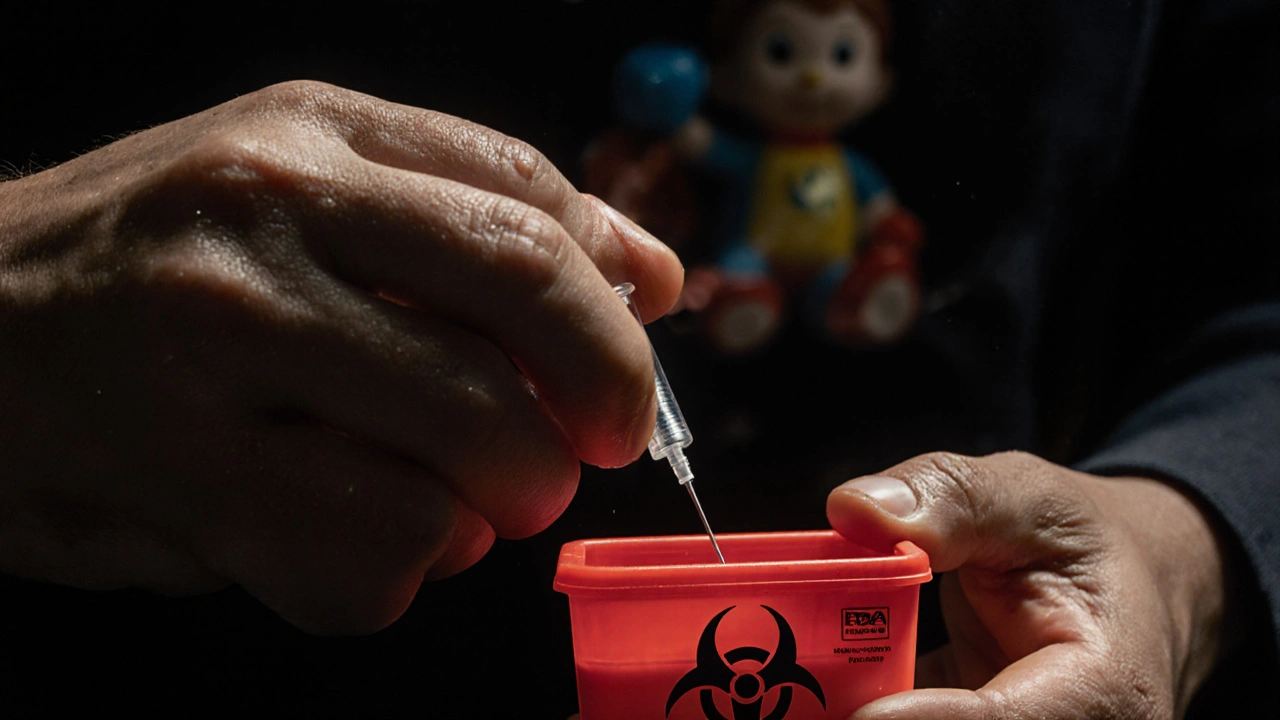
How to Dispose of Sharps and Needles from Injected Medications Safely
Learn how to safely dispose of needles and sharps from injected medications to prevent injuries and infections. Find out what containers to use, where to drop them off, and what happens if you don’t.