Occupational Exposure: Risks, Prevention, and What You Need to Know
When you think about occupational exposure, the unintended contact with harmful substances or conditions during work. Also known as workplace hazard exposure, it’s not just about factories or construction sites—it happens in offices, labs, hospitals, and even farms. Every year, millions of workers breathe in toxic fumes, touch dangerous chemicals, or get damaged by loud noise, all without realizing how serious it can get. This isn’t rare. It’s routine—and often ignored until someone gets sick.
Chemical exposure, contact with hazardous substances like solvents, pesticides, or asbestos, is one of the biggest drivers of long-term illness in jobs like cleaning, manufacturing, and agriculture. PPE, personal protective equipment like gloves, masks, and goggles, isn’t just a box to check—it’s your first line of defense. But here’s the problem: many employers give out gear and call it done. They don’t train people on how to use it right, or when to replace it. And workers? They often skip it because it’s uncomfortable or they think they’re fine. That’s how small exposures turn into chronic lung disease, nerve damage, or cancer.
It’s not just chemicals. workplace hazards, physical, biological, or psychological dangers on the job include repetitive motion injuries, shift work stress, and even secondhand smoke in poorly ventilated spaces. A nurse handling chemo drugs without proper gloves. A mechanic breathing in metal dust for years. A warehouse worker with constant loud machinery pounding their ears. These aren’t accidents—they’re predictable outcomes of unaddressed exposure.
The good news? Most of this is preventable. You don’t need a PhD to protect yourself. You need to know what’s around you, ask the right questions, and speak up when something feels off. If your job involves chemicals, ask for the safety data sheet. If you’re always tired after shifts, track your sleep and stress. If your ear ringing won’t go away, get it checked. These aren’t overreactions—they’re early warnings.
Below, you’ll find real-world guides on how to spot hidden dangers at work, what to do when your meds interact with workplace toxins, how to read safety labels on cleaning products, and how to push back when your employer ignores risks. These aren’t theoretical tips—they’re tools people used to avoid hospital visits, lawsuits, and lost years of health. Read them. Use them. Your body will thank you.
5
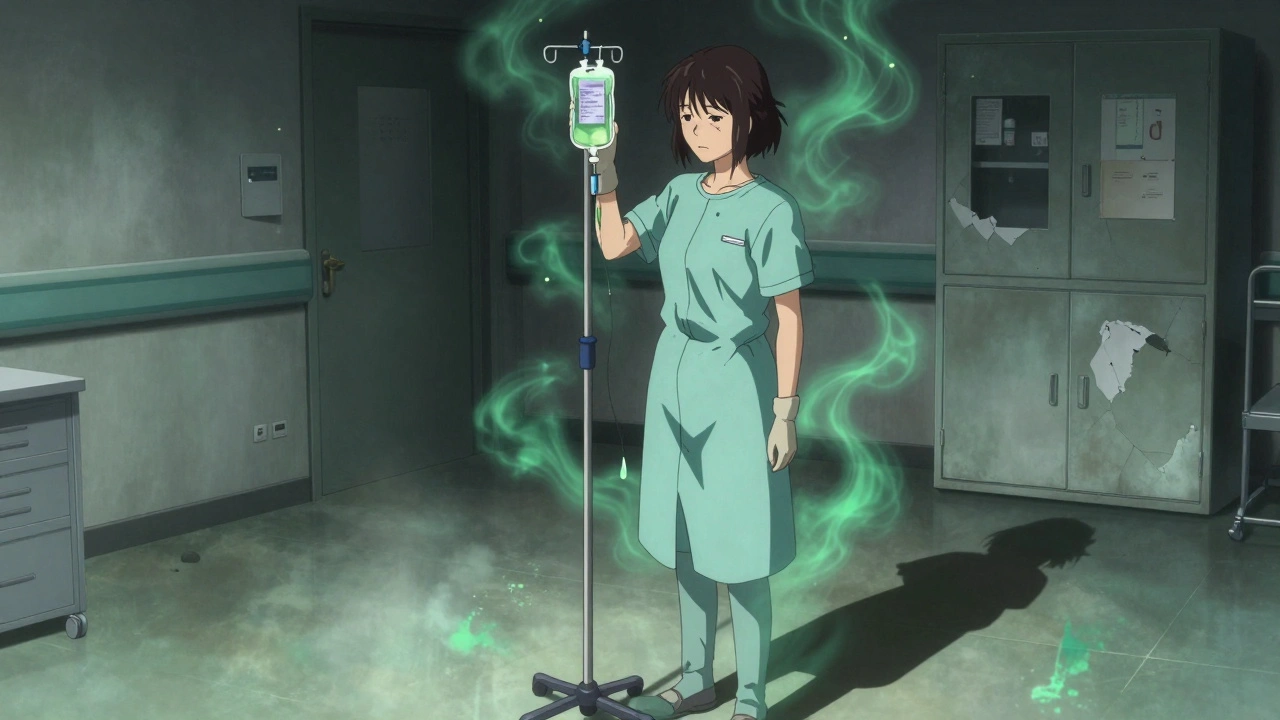
Medications and Work Safety: What Workers Need to Know About Risks on the Job
Medications can affect work safety in two ways: when workers take drugs that impair performance, or when they're exposed to hazardous drugs on the job. Learn the risks, real-world data, and how to stay safe.