
Quality Assurance in Medications: What It Means and Why It Matters
When you take a pill, you expect it to work the same way every time. That’s not luck—it’s quality assurance, a system of checks and standards that ensures medications are safe, consistent, and effective from batch to batch. Also known as pharmaceutical quality control, it’s the invisible guardrail keeping bad drugs off the shelf. Without it, a pill could be too weak, too strong, or even contaminated. And it’s not just about brand names—generic medication, the lower-cost versions of brand drugs that must meet the same strict standards—relies on the same system. But here’s the catch: while the active ingredient must match, the inactive ingredients, the fillers, dyes, and binders that help the pill hold together or dissolve can vary. That’s why some people notice side effects after switching from one generic to another—even if both are labeled the same.
Quality assurance isn’t just about what’s in the pill. It covers how it’s made, stored, and shipped. Temperature, humidity, and even the cleanliness of the factory floor matter. A drug that works perfectly in a lab might fail in a hot warehouse. That’s why FDA approval, the process where the U.S. Food and Drug Administration reviews manufacturing practices before a drug can be sold includes on-site inspections. The FDA doesn’t just check the final product—they audit the whole system. That’s why some generic drugs get priority review: if they’re the first to market or fix a shortage, they get faster approval because the system already trusts the manufacturer’s quality controls.
And when things go wrong? That’s where drug safety, the ongoing monitoring of side effects and adverse reactions after a drug is on the market kicks in. A pill might pass every lab test but still cause unexpected reactions in thousands of people. That’s why lab monitoring calendars and side effect tracking aren’t just helpful—they’re part of the larger quality assurance chain. You’re not just taking a pill; you’re part of a feedback loop that helps improve safety for everyone.
What you’ll find below isn’t just a list of articles. It’s a window into how quality assurance touches every step of your treatment—from why your generic might feel different, to how the FDA decides which drugs get approved fastest, to how even something as small as a change in inactive ingredients can affect how you feel. These aren’t theoretical concerns. They’re real, everyday issues that shape your health outcomes. And knowing how it all works gives you real power to ask the right questions, spot red flags, and stay in control of your care.
23
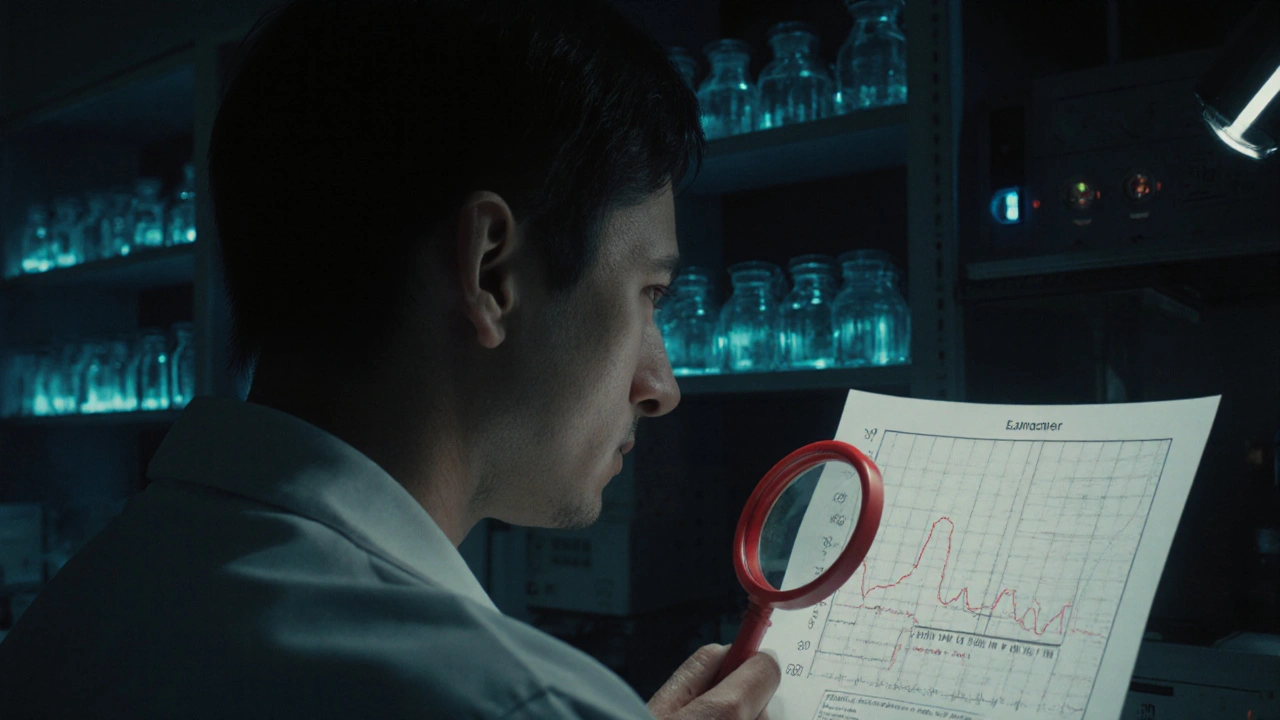
Batch Release Testing: Final Checks Before Pharmaceutical Distribution
Batch release testing is the final quality check that ensures every pharmaceutical batch meets safety and potency standards before reaching patients. Learn how it works, why it's mandatory, and what's changing in 2025.