Clinic Safety Reporting: How Healthcare Teams Track and Prevent Medication Errors
When something goes wrong with a medication in a clinic, clinic safety reporting, the system healthcare workers use to document and share medication mistakes and harmful side effects. It's not just paperwork—it’s how hospitals and clinics stop the same error from happening again. Without it, dangerous mix-ups, missed allergies, or hidden drug interactions could keep hurting people without anyone knowing why.
Behind every report is a chain of actions: a nurse notices a patient’s unusual reaction, a doctor spots a wrong dose in the record, or a pharmacist catches a label mistake. These events get logged into pharmacovigilance, the science of detecting, assessing, and preventing adverse effects of medications systems. Tools like clinician portals, digital dashboards that help providers monitor patient responses to drugs in real time make it faster to spot patterns—like a spike in dizziness after a new blood pressure pill was introduced. These systems don’t just collect data; they connect it to other safety tools like lab monitoring calendars and FDA drug databases to see if a problem is isolated or growing.
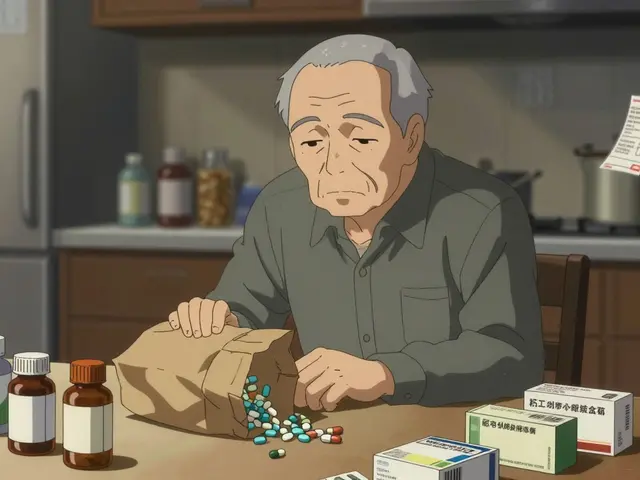
Most reports come from front-line staff, not patients. That’s why training matters. A single misread prescription label or a misunderstood dosing instruction can trigger a chain reaction. Poor translations on labels, hidden allergens in generics, or double dosing from OTC cold meds are all common triggers that show up in safety reports. And it’s not just about drugs—medications that cause dizziness or slow reaction times increase fall risks in seniors, which clinics also track under safety reporting. The goal isn’t to blame anyone. It’s to fix systems: improve labeling, standardize training, or update electronic records so the next provider doesn’t make the same mistake.
What you’ll find below are real stories and practical guides from clinics and pharmacies that deal with these issues every day. You’ll see how tools like clinician portals catch adverse reactions before they become emergencies, how patients can spot translation errors on their own prescriptions, and why switching to a generic drug sometimes needs extra monitoring. These aren’t theoretical ideas—they’re lessons learned from actual reports filed in clinics across the country. Whether you’re a patient, caregiver, or healthcare worker, understanding how safety reporting works helps you ask better questions, spot red flags, and protect yourself and others.
8
How to Report a Medication Safety Concern to Your Clinic
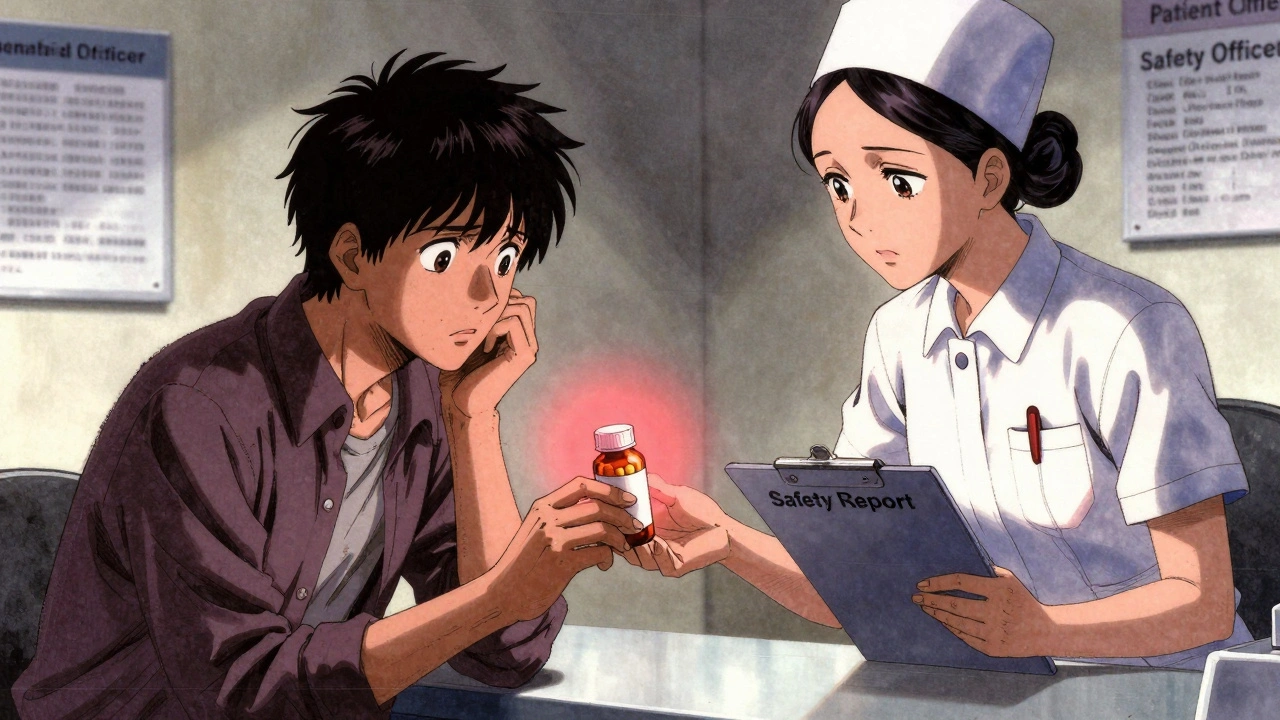
Learn how to report a medication safety concern to your clinic quickly and effectively. Know what counts as a concern, how to report it, and what happens next-without fear of backlash.