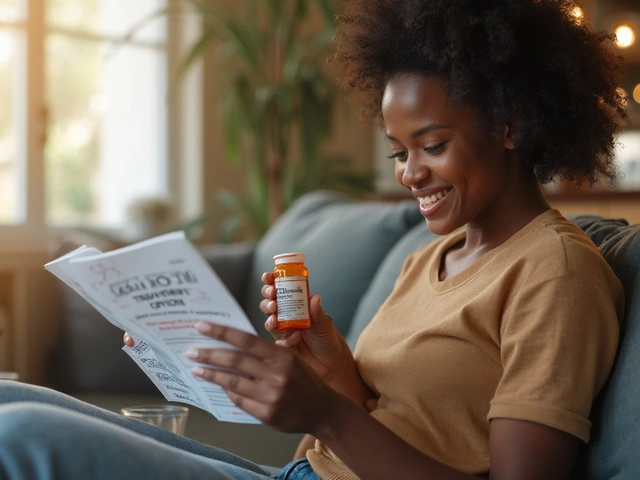
Depression Treatment: What Works, What to Watch For, and How to Stay Safe
When it comes to depression treatment, a range of approaches including medication, therapy, and lifestyle changes used to manage persistent low mood and loss of interest. Also known as antidepressant therapy, it’s not just about popping a pill—it’s about finding the right balance for your body and life. Many people start with SSRIs or SNRIs, but what works for one person might not work for another. And sometimes, the side effects—like weight gain, sleep changes, or even increased anxiety at first—can make people quit too soon. The key isn’t just finding a drug, but finding the right antidepressant, a class of medications used to treat depression by adjusting brain chemicals like serotonin and norepinephrine. Also known as mood stabilizers, they require careful monitoring, especially when switching brands or generics.
Here’s the thing: medication safety, the practice of ensuring drugs are used correctly to avoid harm, especially when combined with other medications or supplements. Also known as pharmacovigilance, it’s critical for anyone on depression treatment. Mixing antidepressants with things like St. John’s wort, green tea extract, or even common cold meds can cause dangerous spikes in serotonin—serotonin syndrome isn’t rare, and it’s serious. And if you’re on warfarin for heart issues, or have an enlarged prostate, some antidepressants can make those conditions worse. That’s why tracking your meds, knowing your ingredients, and talking to your doctor about every supplement you take isn’t optional—it’s part of the treatment. Even something as simple as switching from a brand-name antidepressant to a generic can throw off your INR, your sleep, or your mood if the inactive ingredients don’t agree with you. People don’t always realize that the filler in a pill—lactose, dyes, gluten—can trigger real reactions, even if the active drug is the same.
Depression treatment isn’t just about getting better. It’s about staying safe while you get there. That means knowing which drugs raise your risk of falls, especially if you’re over 65. It means understanding how your meds affect your job, your focus, or your ability to drive. It means asking your clinic how to report a weird side effect without fear. And it means using tools like lab monitoring calendars or clinician portals to catch problems before they become emergencies. The posts below cover exactly that: real stories, real risks, and real fixes—from how to read your prescription label in a different language, to why your generic pill might make you feel off, to how to avoid double-dosing on acetaminophen when you’re already on an antidepressant. There’s no magic bullet, but there’s a lot you can do to make sure your treatment works without hurting you.
9

Antidepressants: Types and Safety Profiles for Patients
Antidepressants help millions manage depression and anxiety, but they come with risks. Learn the differences between SSRI, SNRI, and older types, what side effects to expect, and how to safely use them.