
Double Dosing: What It Is, Why It’s Dangerous, and How to Avoid It
When you take double dosing, taking two doses of a medication too close together or accidentally doubling up. Also known as medication overdose, it’s one of the most common—and preventable—drug safety mistakes out there. It doesn’t always mean taking twice the prescribed amount at once. Sometimes it’s taking a morning pill, forgetting you already took it, then taking another at lunch. Or mixing over-the-counter meds with prescriptions that have the same active ingredient. The result? Nausea, dizziness, organ damage, or worse.
This isn’t just about forgetfulness. medication errors, mistakes in how drugs are taken, prescribed, or labeled are behind half of all preventable hospital visits related to drugs. drug overdose, when the body is overwhelmed by too much of a substance from double dosing hits hardest with blood thinners like warfarin, painkillers like acetaminophen, and antidepressants. A single extra pill can send your INR sky-high, fry your liver, or trigger serotonin syndrome. And it’s not just pills—patches, inhalers, and even topical creams can cause this if used more than directed.
Why does this keep happening? Because we’re told to take meds on a schedule, but no one teaches us how to track them properly. A pill organizer might help, but only if you actually use it. Apps can remind you, but if you ignore the alert because you "think" you took it, you’re still at risk. And here’s the sneaky part: many people double dose because they don’t feel the drug working fast enough. That’s especially true with painkillers or anxiety meds. But speed isn’t the goal—safety is.
There’s no magic fix, but there are simple steps that work. Write down every medication you take—name, dose, time. Keep that list in your wallet or phone. Ask your pharmacist: "Could this interact with anything else I’m taking?" If you’re on warfarin, know your INR target and stick to the same generic brand unless your doctor says otherwise. Never mix OTC pain relievers without checking the label—acetaminophen hides in 600+ products. And if you miss a dose? Don’t just double up. Call your doctor or pharmacist. They’ll tell you what to do.
The posts below show real cases where double dosing happened—not in movies, but in kitchens, nursing homes, and ER waiting rooms. You’ll see how translation errors on labels led to accidental overdoses, how generic switches changed how drugs hit the body, and why inactive ingredients can make you feel like you’re taking something new when you’re not. We’ll show you how to use FDA databases to check your meds, how to read labels like a pro, and how to talk to your doctor about risks without sounding paranoid. This isn’t about fear. It’s about control. And you have more power than you think.
7
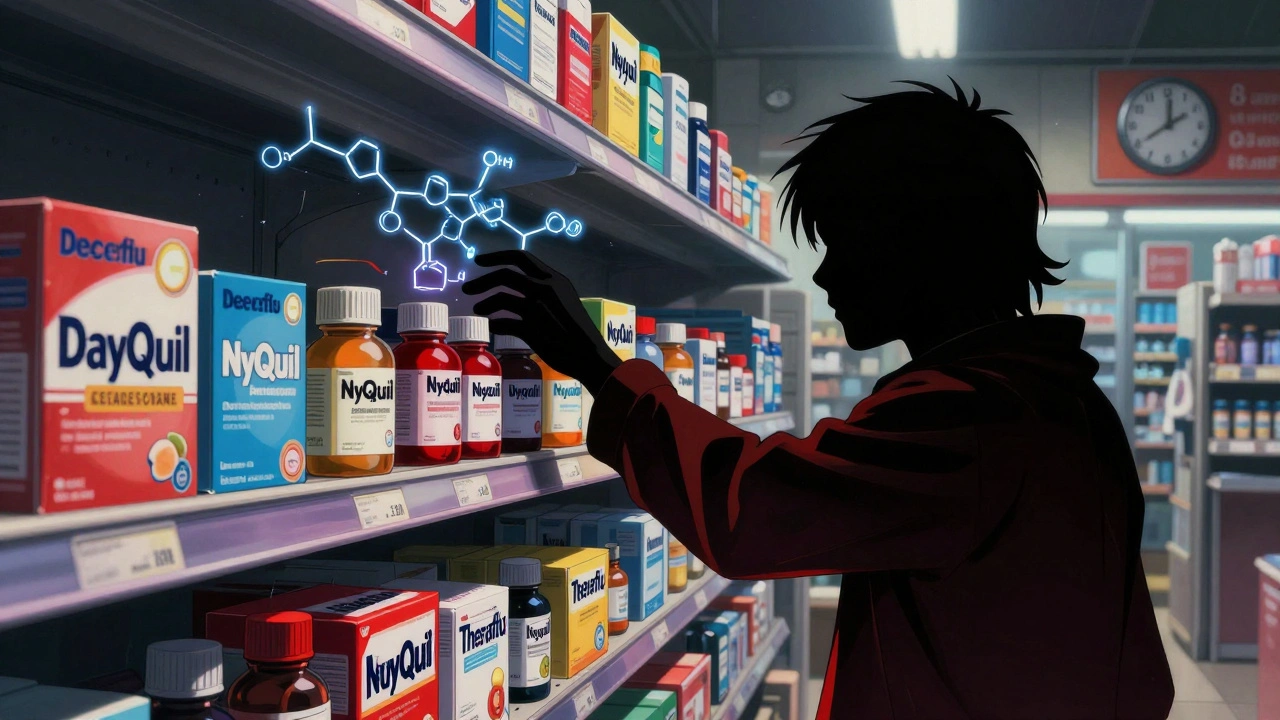
OTC Cold and Flu Combinations: How to Avoid Double Dosing Dangerous Ingredients
Avoid dangerous acetaminophen overdoses by learning how to read OTC cold and flu labels. Most combo meds contain hidden pain relievers that can harm your liver if mixed with other drugs.