Drug Facts Label: What You Need to Know About Medication Information
When you pick up a prescription or buy an over-the-counter medicine, the drug facts label, the standardized section on medicine packaging that lists active and inactive ingredients, usage instructions, and warnings. Also known as medication label, it’s the most reliable source of safety info you have—no doctor visit needed. This isn’t just fine print. It’s your personal guide to avoiding dangerous mix-ups, allergic reactions, and hidden risks.
Behind every drug facts label is a system designed to protect you. The FDA, the U.S. agency that approves and monitors medications for safety and effectiveness requires every drug to follow strict labeling rules. But here’s the catch: the active ingredient might be the same across brands and generics, but the inactive ingredients, the fillers, dyes, and preservatives that don’t treat your condition but can trigger reactions can be totally different. That’s why someone might feel fine on a brand-name pill but get a rash or stomach upset after switching to a generic. These differences aren’t listed in bold—they’re buried in the small print. And if you’re allergic to lactose, gluten, or red dye #40, you’re not imagining it. The label holds the answer.
Then there’s the language. A mistranslated word like "once" becoming "eleven" on a prescription label can lead to overdose. Workers exposed to hazardous drugs need to know what those drugs are and how to protect themselves. Seniors on multiple meds need to spot which ones increase fall risk. People on warfarin need to understand why switching generics can throw off their INR levels. All of this connects back to the drug facts label. It’s the starting point for asking better questions, spotting red flags, and taking control of your treatment.
Below, you’ll find real stories and practical guides on how to read these labels like a pro. From decoding FDA databases to understanding why your generic feels different, these posts cut through the noise. You’ll learn how to find official drug info, spot dangerous interactions, and protect yourself from hidden allergens—all by using the label as your first line of defense.
7
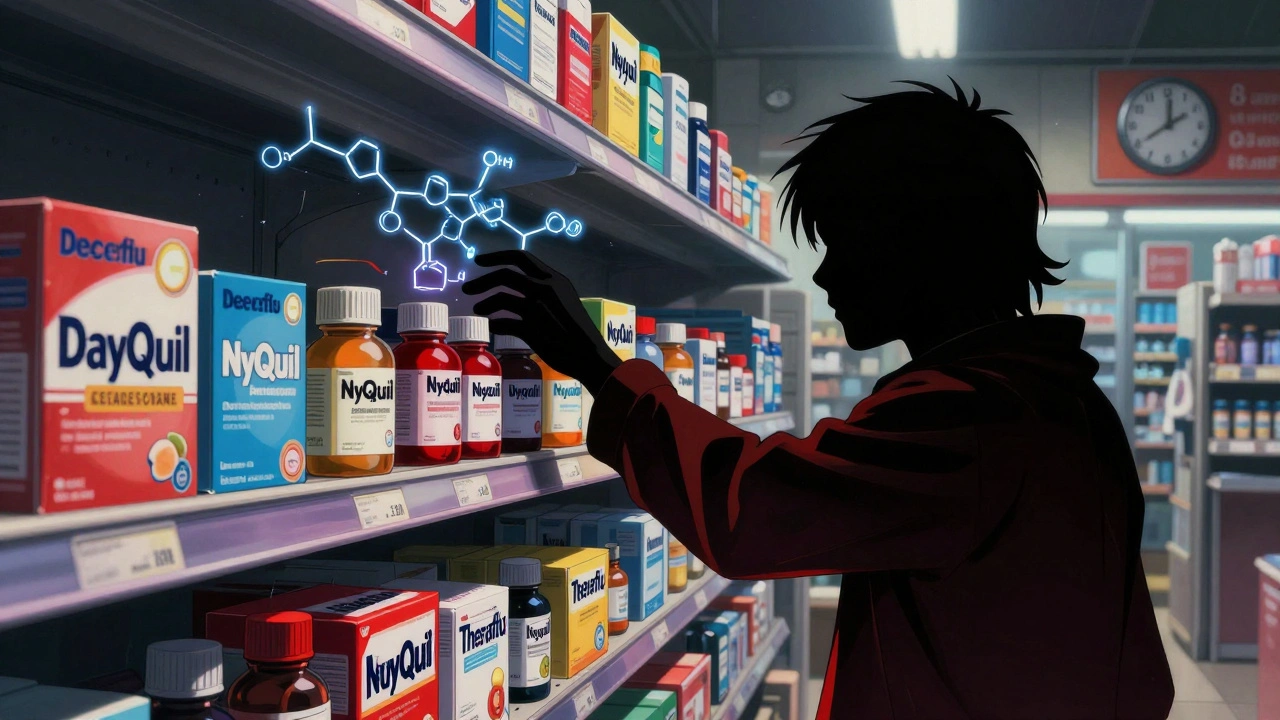
OTC Cold and Flu Combinations: How to Avoid Double Dosing Dangerous Ingredients
Avoid dangerous acetaminophen overdoses by learning how to read OTC cold and flu labels. Most combo meds contain hidden pain relievers that can harm your liver if mixed with other drugs.