Drug Side Effects: What You Need to Know and How to Stay Safe
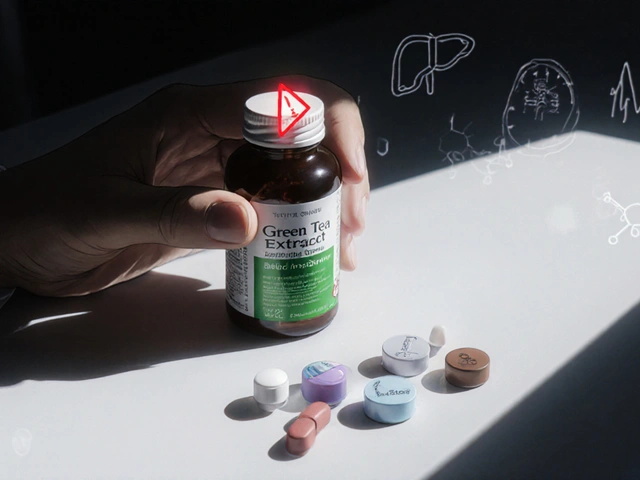
When you take a medication, you’re not just targeting the problem—you’re affecting your whole body. Drug side effects, unintended reactions to medications that range from mild to life-threatening. Also known as adverse drug reactions, these are not rare accidents—they’re expected outcomes of how drugs interact with your biology. Even common pills like blood pressure meds or antidepressants can cause dizziness, fatigue, or nausea. The key isn’t avoiding medicine—it’s understanding what’s normal and when to act.
Not all side effects are created equal. Some, like a dry mouth from an antihistamine, are annoying but harmless. Others, like drug interactions, when two or more medications clash and create unexpected, dangerous effects, can lead to falls, organ damage, or hospital visits. For example, combining certain blood pressure drugs with diuretics might drop your blood pressure too low. Or taking an antibiotic with a statin could trigger muscle breakdown. These aren’t theoretical risks—they show up in real people every day, especially seniors on multiple prescriptions.
Then there’s medication side effects, the direct, predictable reactions tied to how a drug works in your body. Think dizziness from orthostatic hypotension, sunburn-like rashes from photosensitivity, or stomach bleeding from daily aspirin. These aren’t mistakes—they’re built into the drug’s design. The FDA knows about them. Your doctor should too. That’s why reviewing your meds regularly isn’t optional—it’s a safety check, like changing your smoke detector batteries.
What you’ll find here isn’t a list of scary warnings. It’s a practical guide to spotting the red flags, understanding why they happen, and knowing what to do next. From how antidepressants increase fall risk in older adults to why some antibiotics make your skin burn in the sun, each article breaks down real cases, real risks, and real solutions. You’ll learn which drugs are most likely to cause problems, how to talk to your pharmacist about them, and what steps can cut your risk by 30% or more. No fluff. No jargon. Just what you need to stay safe while taking the meds you need.
19
Lab Monitoring Calendars: Stay Ahead of Medication Side Effects
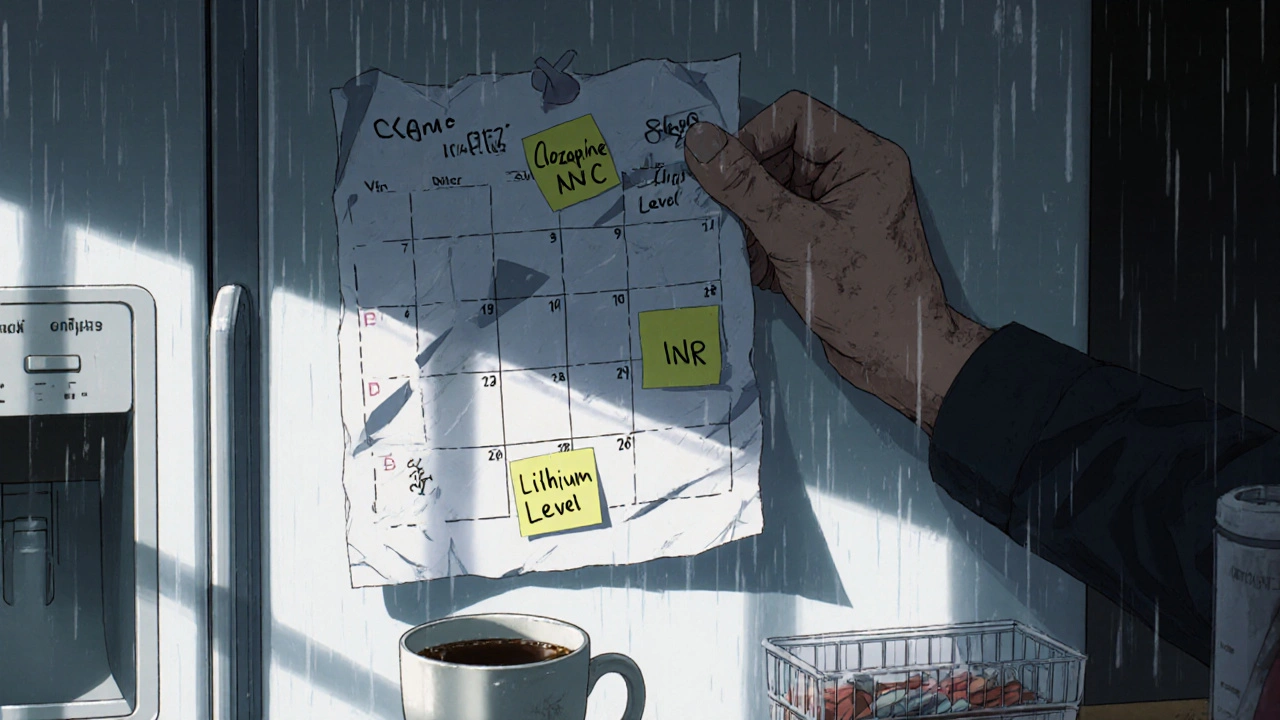
Lab monitoring calendars help you catch dangerous medication side effects before they become emergencies. Learn which tests you need, when to do them, and how to track them effectively.