Drugs@FDA: How the FDA Regulates Medications and Generic Drugs
When you pick up a prescription, Drugs@FDA, the U.S. Food and Drug Administration’s public database of approved medications. Also known as FDA Drug Database, it’s the only place you can check if a drug is legally approved, what it’s approved for, and whether a generic version exists. This isn’t just paperwork—it’s your safety net. Every pill, injection, or inhaler you take had to pass through this system before reaching your pharmacy.
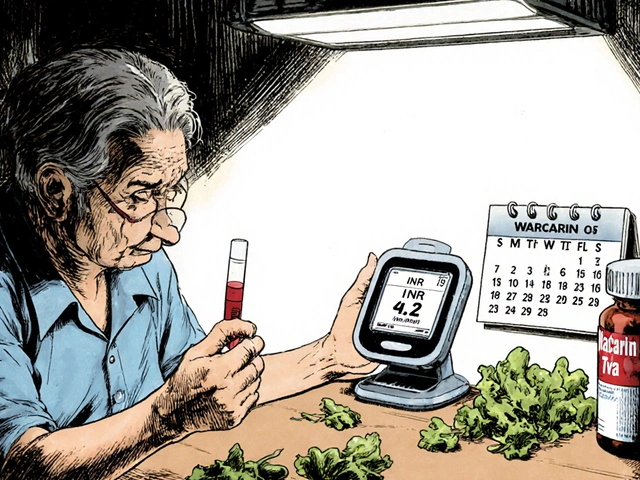
Behind Drugs@FDA are two big players: generic drugs, lower-cost versions of brand-name medicines that must meet the same standards, and FDA approval, the process that proves a drug works and is safe for its intended use. The FDA doesn’t just rubber-stamp applications. It reviews clinical data, inspects manufacturing plants, and tracks side effects after a drug hits the market. That’s why a generic version of warfarin might need tighter INR monitoring—because even tiny differences in how the body absorbs it can matter. And when a drug like allopurinol gets approved, Drugs@FDA shows you every study the FDA reviewed, every manufacturer, and every patent that’s expired.
Most people don’t realize that over 90% of prescriptions filled in the U.S. are generics. That’s not luck—it’s because of the Hatch-Waxman Act and the FDA’s strict bioequivalence rules. But not all generics are created equal in how they make you feel. Some have different inactive ingredients, which can cause side effects in sensitive people. That’s why Drugs@FDA lets you compare brand and generic versions side by side, down to the fillers and dyes. And if you’re on a medication that affects your liver, kidneys, or blood pressure, you can check the FDA’s latest safety alerts right there—no guesswork.
Drugs@FDA also tracks who’s making what, when batches get recalled, and which drugs are in short supply. It’s not just for doctors or pharmacists. If you’re switching from a brand to a generic, worried about interactions with supplements, or just trying to understand why your insurance dropped your med, this database gives you the facts—no marketing spin, no hidden fine print. Below, you’ll find real stories from patients and clinicians about how these rules play out in daily life: from how fatty foods change drug absorption, to why some people feel different on a new generic, to how the FDA prioritizes approvals to get life-saving drugs faster to those who need them.
2

How to Search FDA’s Drugs@FDA Database for Official Drug Information
Learn how to use the FDA's official Drugs@FDA database to find approved drug information, including labels, approval dates, and review documents - with step-by-step guidance and tips to avoid common mistakes.