Excipients: What They Are and Why They Matter in Your Medications
When you swallow a pill, you’re not just taking the active drug — you’re also consuming excipients, non-active ingredients added to medicines to help with manufacturing, stability, and absorption. Also known as inactive ingredients, these are the fillers, binders, and coatings that make pills hold together, dissolve at the right time, and look consistent from batch to batch. Without excipients, most medications would crumble, taste terrible, or not be absorbed properly.
These ingredients might sound harmless, but they’re carefully chosen for a reason. For example, lactose, a common filler in tablets helps bulk up tiny doses of powerful drugs so they’re easy to handle and swallow. microcrystalline cellulose, a binder used in over 70% of oral pills keeps everything stuck together. Even the shiny coating on your pill? That’s an excipient — it protects the drug from stomach acid or makes it easier to swallow. Some excipients, like titanium dioxide, a white pigment used for color, are there just for appearance, but others directly affect how your body absorbs the medicine.
Here’s the thing: excipients aren’t just technical details. They can impact your health. If you’re lactose intolerant, a pill with lactose as a filler could cause bloating or diarrhea. Some people react to dyes, gluten, or preservatives hidden in medications. Even the way a pill breaks down in your gut — whether it releases the drug slowly or all at once — depends on the excipients. That’s why you can’t always swap one brand for another, even if they contain the same active ingredient. The excipients change the game.
Manufacturers test excipients just as rigorously as active drugs. Every batch must meet strict standards for purity, consistency, and safety. In fact, excipients are one of the main reasons why generic drugs sometimes don’t work exactly the same as brand-name versions — not because the active drug is different, but because the fillers and coatings vary. This is especially true for medications with narrow therapeutic windows, like blood thinners or seizure drugs, where even small changes in absorption can cause problems.
What you’ll find in the articles below are real-world examples of how excipients interact with your body and your treatment. From how fatty foods boost absorption of lipid-based drugs to why batch testing matters for every pill you take, these posts show you the hidden science behind what’s inside your medicine. You’ll learn which excipients might be causing side effects you didn’t expect, how drug formulations are designed for maximum effectiveness, and why your pharmacist might ask if you have allergies before filling a prescription. This isn’t just chemistry — it’s your health, one pill at a time.
4
How to Address Allergies to Inactive Ingredients in Generics
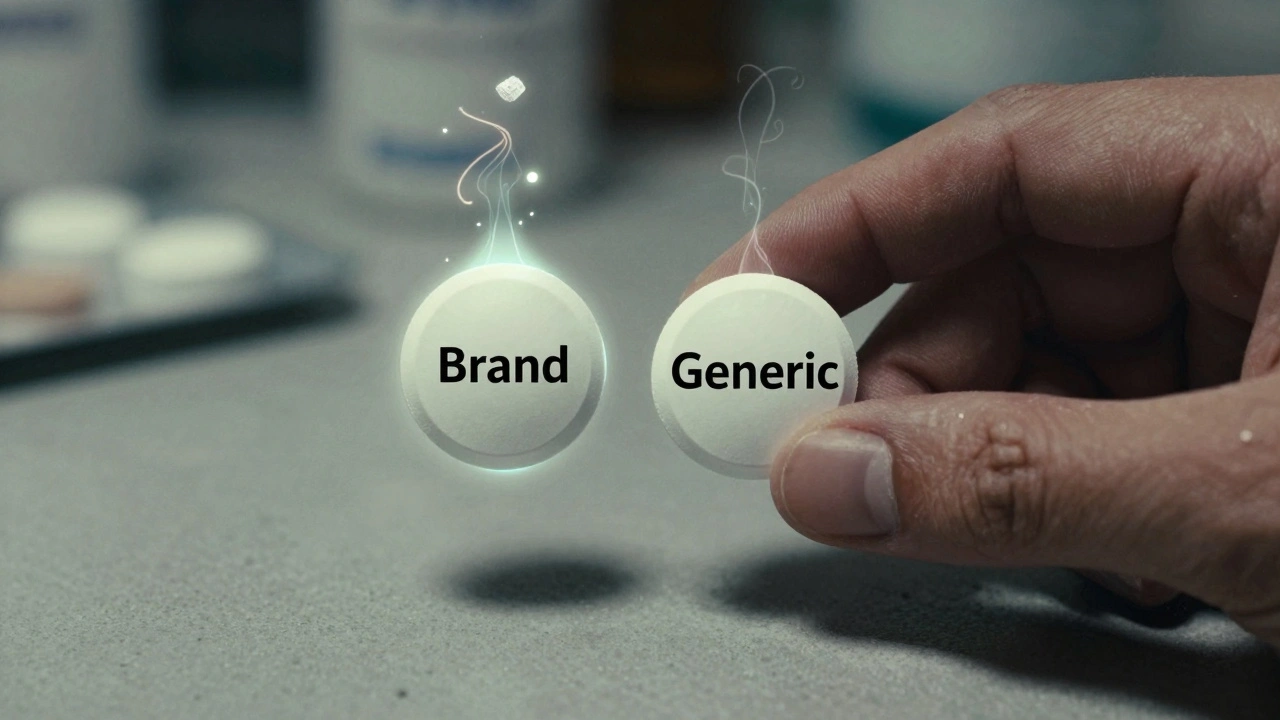
Many generic medications contain hidden allergens like lactose, gluten, or food dyes that can trigger reactions-even though they have the same active ingredient as brand-name drugs. Learn how to identify risky ingredients and protect yourself.
21

Inactive Ingredient Differences: Why Your Generic Medication May Feel Different
Generic medications save money but can contain different inactive ingredients that affect how you feel. Learn why some people notice side effects after switching-and what to do about it.