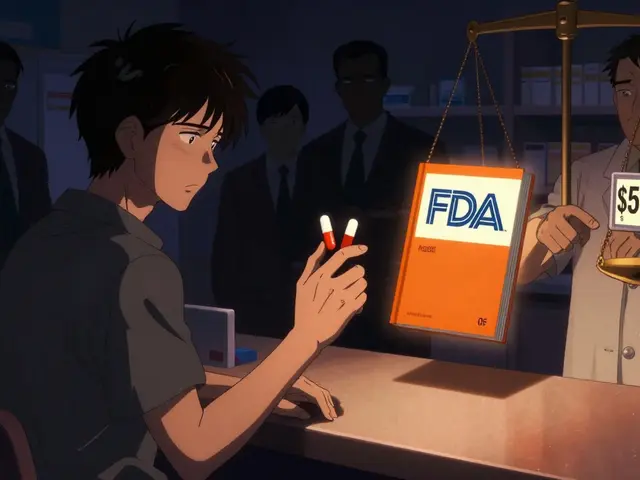
FDA Drug Database: What It Is and How It Keeps Your Medications Safe
When you pick up a prescription, you trust that it’s been checked, tested, and approved by a system designed to protect you. That system is the FDA drug database, a public registry of all medications approved for sale in the United States, including their active ingredients, manufacturers, and safety labels. Also known as Drugs@FDA, it’s the official source that tells you whether a drug is real, legal, and safe to use. This isn’t just a list—it’s a living record of every pill, injection, and inhaler that’s passed through the FDA’s strict review process.
The FDA drug database, a public registry of all medications approved for sale in the United States, including their active ingredients, manufacturers, and safety labels. Also known as Drugs@FDA, it’s the official source that tells you whether a drug is real, legal, and safe to use. connects directly to how generics get approved. The ANDA process, the pathway for generic drug approval that requires proof of bioequivalence to brand-name drugs is tracked here. You can search for any generic version of a drug and see exactly which brand it copies, when it was approved, and if there are any patent exclusivity blocks. This transparency helps explain why some generics are cheaper and others aren’t—and why switching between them can sometimes cause issues, like with warfarin, a blood thinner with a narrow therapeutic index where tiny differences in absorption can affect INR levels.
The database also reveals how the FDA prioritizes approvals. Priority review, a faster track for generics that address drug shortages or offer clinical advantages shows up in the approval dates. If a drug got approved in 8 months instead of 10, it’s likely because it filled a gap in care. You’ll also find batch release testing records, manufacturing sites, and even withdrawn drugs—all part of the FDA’s ongoing safety monitoring. This ties directly to posts about inactive ingredients, the fillers and dyes in pills that can trigger allergies even when the active drug is identical, and why some people feel different after switching generics.
What you won’t find in the database? Marketing claims, patient reviews, or advice on which drug to take. But what you will find is the raw, verified data behind every medication you use. Whether you’re checking if your generic is truly equivalent, tracking down why a drug was pulled, or confirming your doctor prescribed an approved treatment, this database gives you power. You don’t need a medical degree to use it—just curiosity and the right questions.
Below, you’ll find real stories from people who’ve used this data to avoid errors, understand side effects, and take control of their meds—from how fatty foods affect absorption to why warfarin switching needs close monitoring. These aren’t theory pieces. They’re practical guides built on facts you can pull from the FDA drug database yourself.
2
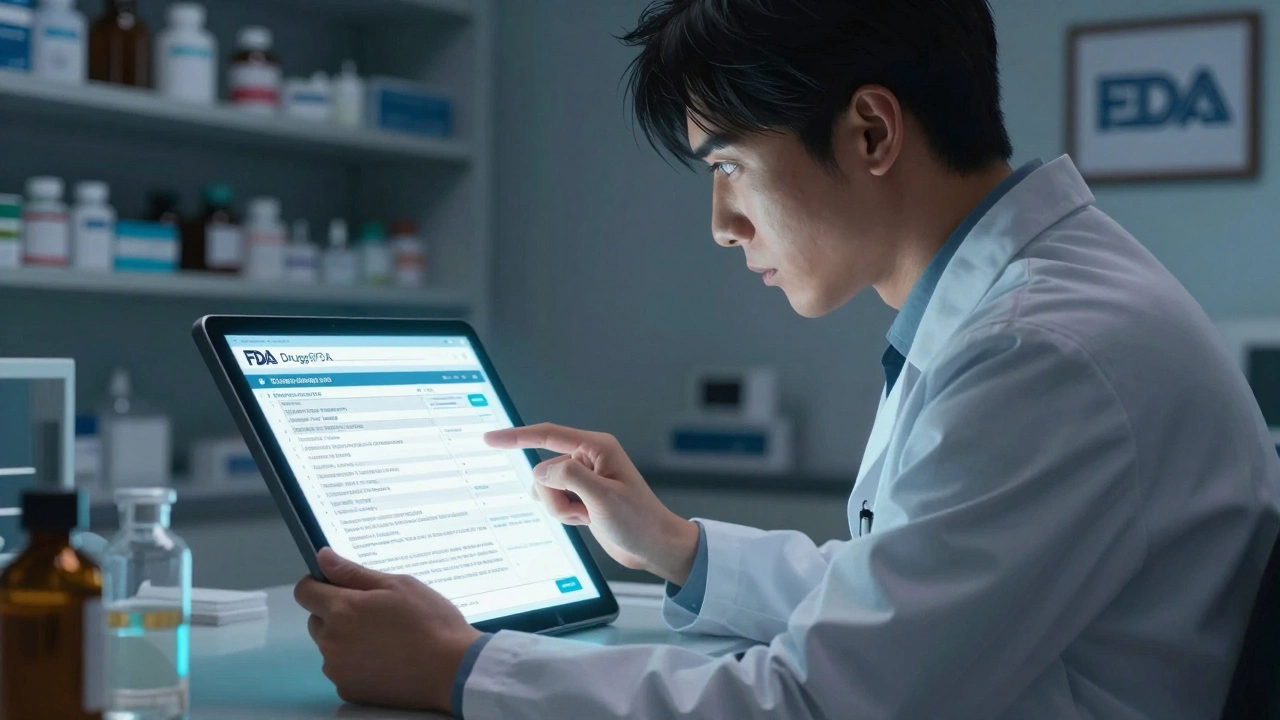
How to Search FDA’s Drugs@FDA Database for Official Drug Information
Learn how to use the FDA's official Drugs@FDA database to find approved drug information, including labels, approval dates, and review documents - with step-by-step guidance and tips to avoid common mistakes.